The modern industrial landscape relies heavily on the precision and reliability of motion components, where the single row self aligning ball bearing stands as a critical innovation for handling shaft misalignment. In complex machinery, perfect alignment is often an ideal rather than a reality; structural deflections and mounting inaccuracies can lead to premature wear if not properly managed. By allowing the inner ring and ball assembly to rotate freely within the outer ring, these bearings eliminate the edge stresses that typically plague standard rigid bearings.
Globally, the demand for high-efficiency transmission parts has surged as automation and heavy-duty manufacturing expand across Asia and Europe. The integration of a single row self aligning ball bearing into a system not only extends the service life of the equipment but also significantly reduces the frequency of unplanned maintenance. This makes them indispensable in sectors ranging from agricultural machinery to high-precision textile looms, where downtime equates to substantial financial loss.
Understanding the nuances of these components allows engineers to optimize the balance between load capacity and operational flexibility. Whether dealing with long shafts prone to sagging or housing tolerances in rugged environments, the self-aligning capability ensures consistent performance. By exploring the technical advantages and application scenarios of these bearings, businesses can enhance their operational reliability and move toward a more sustainable, low-friction future.

Global Relevance of Single Row Self Aligning Ball Bearings
In the global machinery market, the single row self aligning ball bearing addresses a universal engineering challenge: the inability to maintain absolute concentricity in large-scale assemblies. According to ISO standards for rolling bearings, misalignment is one of the leading causes of bearing failure, often resulting in localized overheating and catastrophic seizure. By incorporating a spherical outer raceway, these bearings allow the entire inner ring to tilt, effectively absorbing angular errors that would otherwise destroy a standard deep groove ball bearing.
This capability is particularly critical in developing industrial zones where infrastructure may be subject to vibration or where assembly tolerances are less stringent. The ability of these bearings to "self-correct" reduces the reliance on ultra-expensive precision machining for every single housing, thereby lowering the overall cost of machinery production while maintaining high reliability and safety standards.
Technical Definition and Mechanical Function
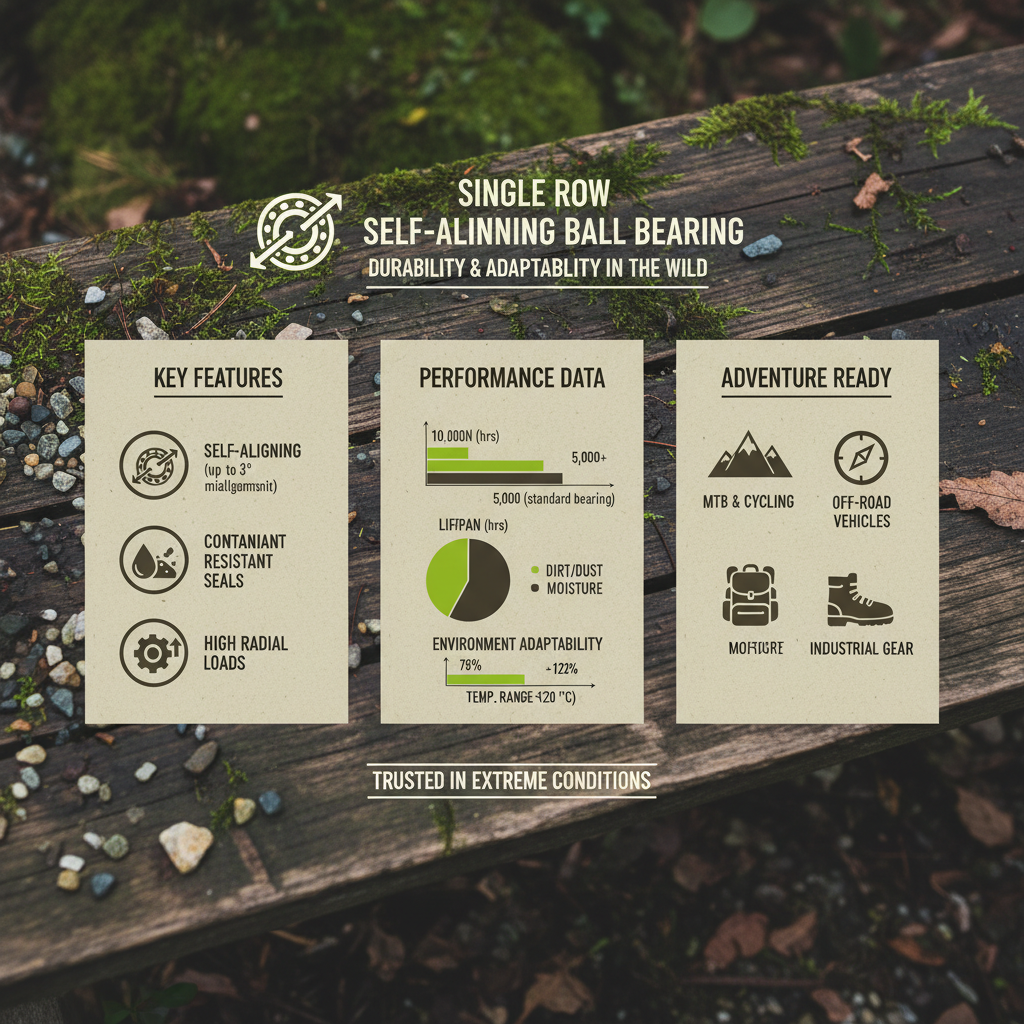
At its core, a single row self aligning ball bearing is a specialized rolling element bearing featuring a common spherical raceway for both the inner and outer rings. This design allows the bearing to be tolerant of misalignment between the shaft and the housing. Unlike rigid bearings, where any tilt creates massive stress concentrations on the edges of the rollers, the self-aligning geometry ensures that the load remains evenly distributed across the contact area regardless of the angular deviation.
From a mechanical perspective, this function is vital for supporting long shafts that tend to bend under their own weight or the weight of attached components. By accommodating this deflection, the bearing prevents the "binding" effect, ensuring smooth rotation and reducing the torque required to drive the system. This translates directly into energy savings and a reduction in the thermal load on the lubricant.
Beyond simple mechanical support, these bearings play a humanitarian role in ensuring the longevity of essential infrastructure, such as water pumps in remote regions or grain processing equipment in agrarian economies. When a bearing fails in a remote area, the lack of immediate replacement parts can paralyze a community's food or water supply; thus, the inherent durability and forgiveness of the self-aligning design provide a crucial layer of systemic resilience.
Core Components and Design Factors
The effectiveness of a single row self aligning ball bearing depends on several critical design factors. First is the Spherical Geometry of the outer ring, which acts as a cradle for the inner assembly. This geometry is precision-ground to ensure that as the shaft tilts, the balls maintain a consistent point of contact, preventing the sliding friction that typically occurs during misalignment.
Another key factor is Material Integrity. High-carbon chromium steel is typically used to ensure the single row self aligning ball bearing can withstand significant radial loads without permanent deformation. The heat treatment process is optimized to create a hard, wear-resistant surface while maintaining a tough core that can absorb sudden shocks in industrial environments.
Finally, the Cage Design plays a pivotal role in scalability and speed. Whether using pressed steel or polyamide cages, the goal is to minimize friction between the balls while ensuring they remain evenly spaced. This ensures that the load is distributed symmetrically, which is essential for the self-aligning mechanism to function without inducing unwanted vibration at higher RPMs.
Performance Analysis and Efficiency Metrics
When evaluating the performance of a single row self aligning ball bearing, engineers focus on the trade-off between radial load capacity and the degree of permissible misalignment. While they may not handle axial loads as effectively as tapered roller bearings, their ability to maintain a low friction coefficient during angular deviation is unmatched. This makes them the gold standard for applications where the primary goal is the prevention of edge-load failure.
To quantify these benefits, we analyze various configurations based on load-bearing efficiency, heat dissipation, and longevity. By comparing different iterations of self-aligning designs, it becomes clear that optimizing the ball-to-raceway ratio can significantly enhance the bearing's lifespan under variable load conditions.
Efficiency Comparison of Self-Aligning Bearing Configurations
Global Industrial Applications and Use Cases
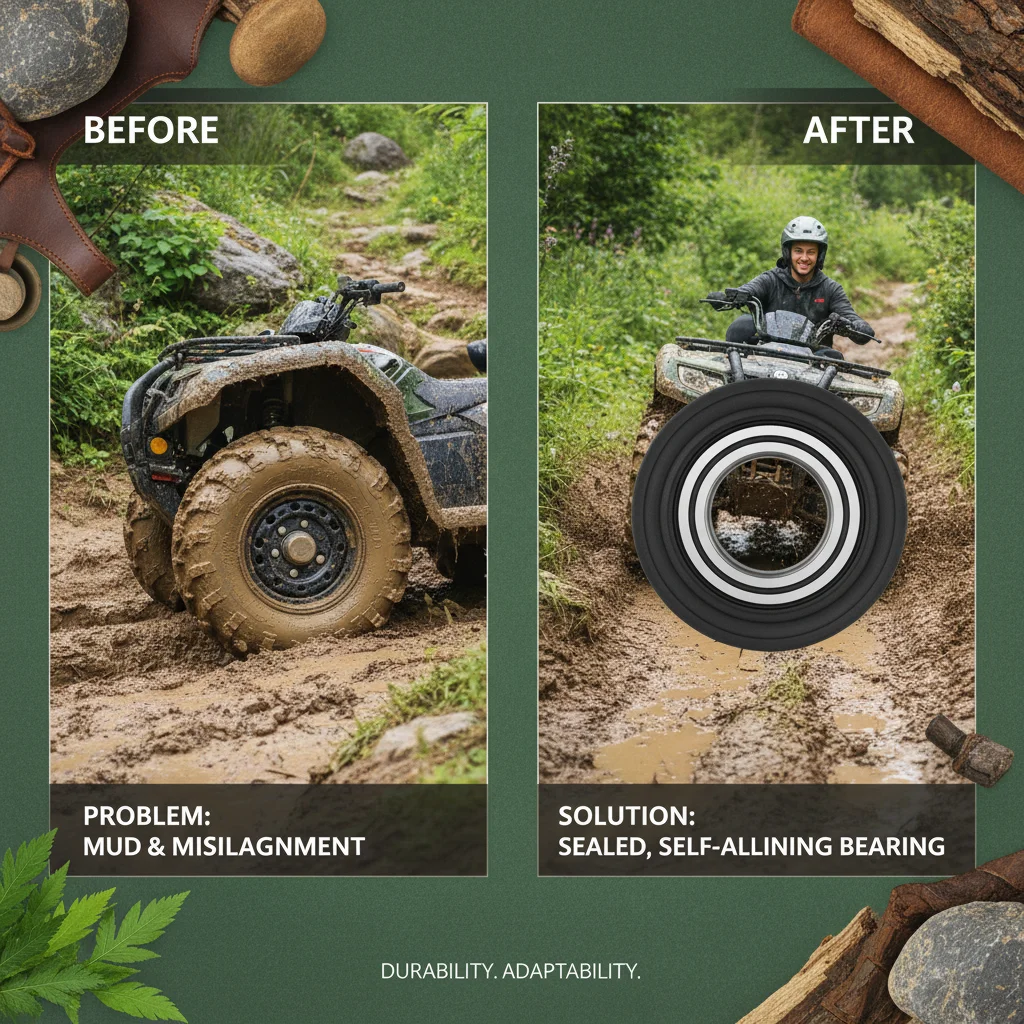
The single row self aligning ball bearing is utilized across a vast array of global industries. In the agricultural sector, these bearings are found in combine harvesters and conveyor systems where the machinery is exposed to uneven terrain and heavy shocks. The ability to accommodate shaft bending caused by the weight of the crop ensures that the harvest continues without mechanical interruption.
In more specialized contexts, such as remote industrial zones or post-disaster relief operations, these bearings are used in mobile power generators and water purification units. Because these units are often deployed on uneven ground, the single row self aligning ball bearing allows the internal rotating components to function correctly even if the overall chassis is slightly skewed, ensuring critical services remain online.
Long-Term Value and Operational Advantages
Investing in high-quality single row self aligning ball bearing components provides tangible long-term value by reducing the "Total Cost of Ownership." While the initial procurement cost may be higher than a standard ball bearing, the savings realized through extended maintenance intervals and the prevention of catastrophic shaft failure are immense. This logical economic advantage is paired with a safety benefit: reducing the risk of sudden breakage in high-speed machinery.
Furthermore, there is a sustainability angle to consider. Bearings that operate with less friction and resist wear more effectively consume less energy over their lifetime. By reducing the amount of replacement steel and lubricant required over a decade of operation, companies can lower their environmental footprint, aligning their operational goals with global green energy initiatives.
Ultimately, the use of self-aligning technology fosters a culture of trust in equipment. Operators can run machinery with the confidence that the system is designed to handle the realities of physical wear and imperfect alignment, shifting the focus from constant troubleshooting to productive output and innovation.
Future Innovations and Material Trends
The future of the single row self aligning ball bearing is being shaped by the digital transformation of industry. We are seeing the emergence of "Smart Bearings" integrated with MEMS sensors that can monitor the angle of misalignment and vibration in real-time. This allows for predictive maintenance, where the bearing alerts the operator when the misalignment exceeds a certain threshold, preventing failure before it occurs.
Material science is also evolving, with the introduction of advanced ceramic hybrids and nano-coatings. These innovations reduce the coefficient of friction even further and allow the bearing to operate in extreme temperatures or corrosive environments without the need for heavy lubrication. This is particularly relevant for the expansion of hydrogen-powered machinery and high-speed rail systems.
As automation increases, the precision of the single row self aligning ball bearing will continue to be refined. The trend is moving toward a synergy of additive manufacturing and traditional forging, allowing for custom internal geometries that can optimize load distribution for specific, non-standard industrial applications.
Comparative Analysis of Self-Aligning Bearing Specifications
| Bearing Material |
Misalignment Tolerance |
Load Capacity Score |
Service Life (Hrs) |
| Chrome Steel |
Moderate |
8/10 |
20,000 |
| Stainless Steel |
Moderate |
7/10 |
15,000 |
| Ceramic Hybrid |
High |
9/10 |
35,000 |
| Hardened Alloy |
Moderate |
10/10 |
25,000 |
| Plastic-Coated Steel |
Low |
5/10 |
10,000 |
| Titanium Alloy |
High |
9/10 |
40,000 |
FAQS
The primary advantage is the ability to compensate for misalignment between the shaft and the housing. While a deep groove bearing requires near-perfect alignment to avoid edge stress and premature failure, the self-aligning bearing allows the inner ring to tilt, ensuring the load remains distributed across the center of the raceway.
While a single row self aligning ball bearing can handle some axial load, it is primarily designed for radial loads. For applications requiring significant axial thrust in both directions, a tapered roller bearing or a dedicated thrust bearing is typically recommended to ensure stability.
If you notice frequent bearing failures at the edges of the rollers, or if your machinery uses long shafts that are prone to deflection, it is a strong indicator. Additionally, if the housing cannot be machined to extremely tight tolerances, a self-aligning solution is the safest choice.
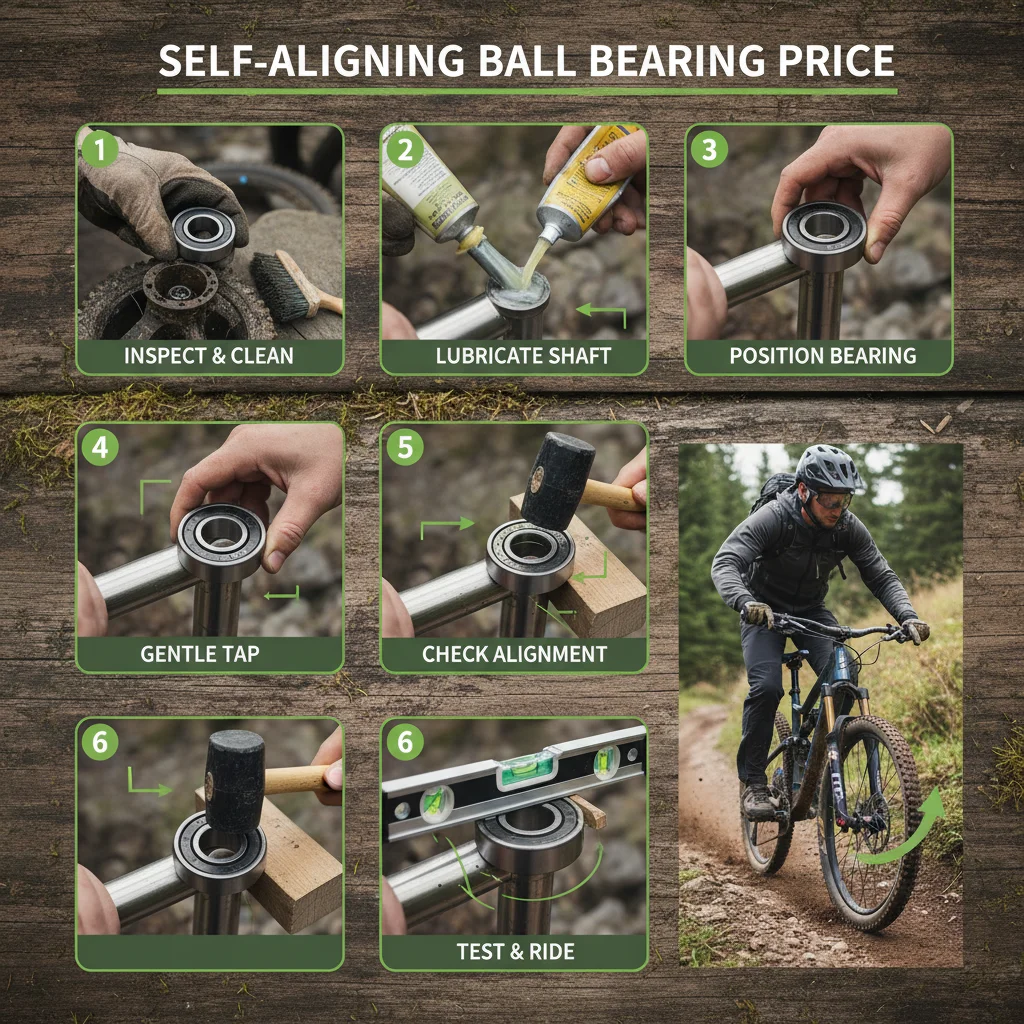
Standard lubrication is essential, though the frequency depends on the environment. Regular checks for abnormal vibration or temperature spikes are recommended. Using a high-quality lubricant compatible with the bearing's material (e.g., synthetic oils for high-temp applications) will maximize the lifespan.
Ceramic hybrids offer lower friction, higher speed capabilities, and better corrosion resistance. They are ideal for high-precision or chemically aggressive environments. However, for standard heavy-duty industrial use, high-chrome steel remains the most cost-effective and durable option.
It works via a spherical outer raceway. The inner ring and the balls together form a spherical shape that fits into the larger spherical curve of the outer ring. This allows the inner assembly to pivot slightly without losing contact or creating concentrated stress points.
Conclusion
The single row self aligning ball bearing represents a vital bridge between theoretical precision and practical industrial reality. By addressing the inevitable challenges of shaft misalignment, these components enhance the reliability of everything from agricultural tools to advanced manufacturing lines. Their ability to reduce stress, lower maintenance costs, and extend the operational life of machinery makes them a cornerstone of efficient mechanical design.
Looking forward, the integration of smart monitoring and advanced materials will further elevate the performance of these bearings. For engineers and procurement managers, prioritizing the quality and specifications of self-aligning components is not just a technical choice, but a strategic investment in operational uptime and sustainability. To explore the best solutions for your machinery, visit our website: www.hebeibearings.com.