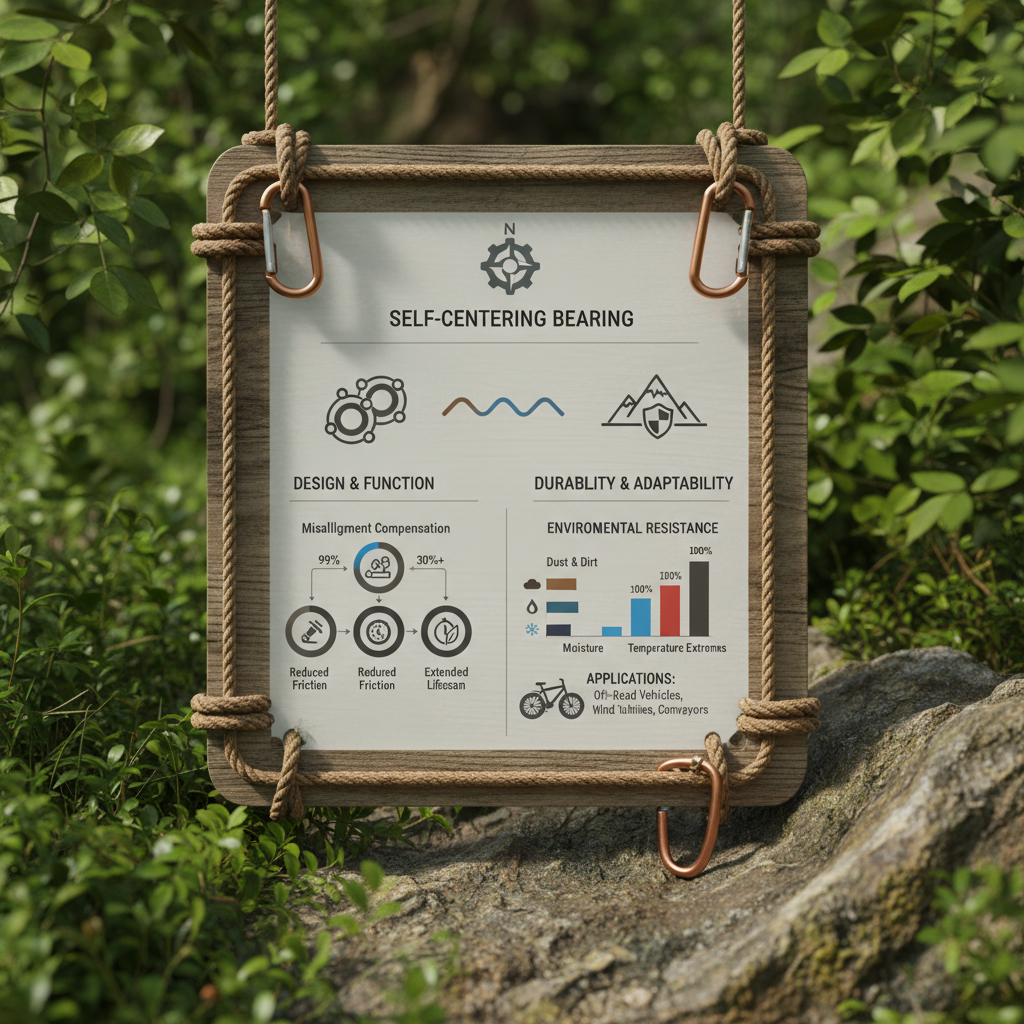
The industrial landscape of modern machinery relies heavily on precision and reliability, where even a fractional misalignment in a rotating shaft can lead to catastrophic failure. This is where the self centering bearing becomes an indispensable component, offering a unique mechanical ability to compensate for axial misalignment and shaft deflection without increasing internal friction. By allowing the inner ring to pivot, these bearings ensure that the load is distributed evenly, significantly extending the lifespan of the machinery and reducing the need for frequent manual adjustments.
Globally, the demand for high-performance transmission components has surged as industries transition toward automation and high-speed production. Whether it is in massive mining conveyors or intricate textile looms, the integration of a self centering bearing solves the persistent problem of "edge loading," where the load concentrates on a small area of the raceway. This technical capability is not just about mechanical efficiency; it is about minimizing downtime in critical supply chains that keep the global economy moving.
Understanding the nuances of self-aligning technology allows engineers to design more robust systems that can withstand unpredictable operational stresses. From the initial selection of material to the final installation, focusing on the properties of the self centering bearing empowers manufacturers to build equipment that is both scalable and sustainable. In this comprehensive guide, we will explore the technical depths, global applications, and future innovations of these critical bearing systems.
Global Relevance of Self Centering Bearings
In the context of international manufacturing standards, such as those set by ISO, the ability of a system to handle misalignment is a critical safety and efficiency KPI. The self centering bearing addresses the global challenge of "installation tolerance," where perfectly straight shafts are nearly impossible to maintain in large-scale industrial environments. By mitigating the risks associated with shaft deflection, these components prevent premature fatigue and sudden mechanical seizures.
Statistically, misalignment is responsible for up to 50% of premature bearing failures in heavy machinery. By implementing self-aligning solutions, industries in rapidly developing regions—from Southeast Asian textile hubs to Latin American mining operations—have seen a marked increase in Mean Time Between Failures (MTBF). This shift not only improves operational uptime but also reduces the carbon footprint associated with the frequent production and disposal of damaged steel components.
Defining the Mechanics of Self-Alignment
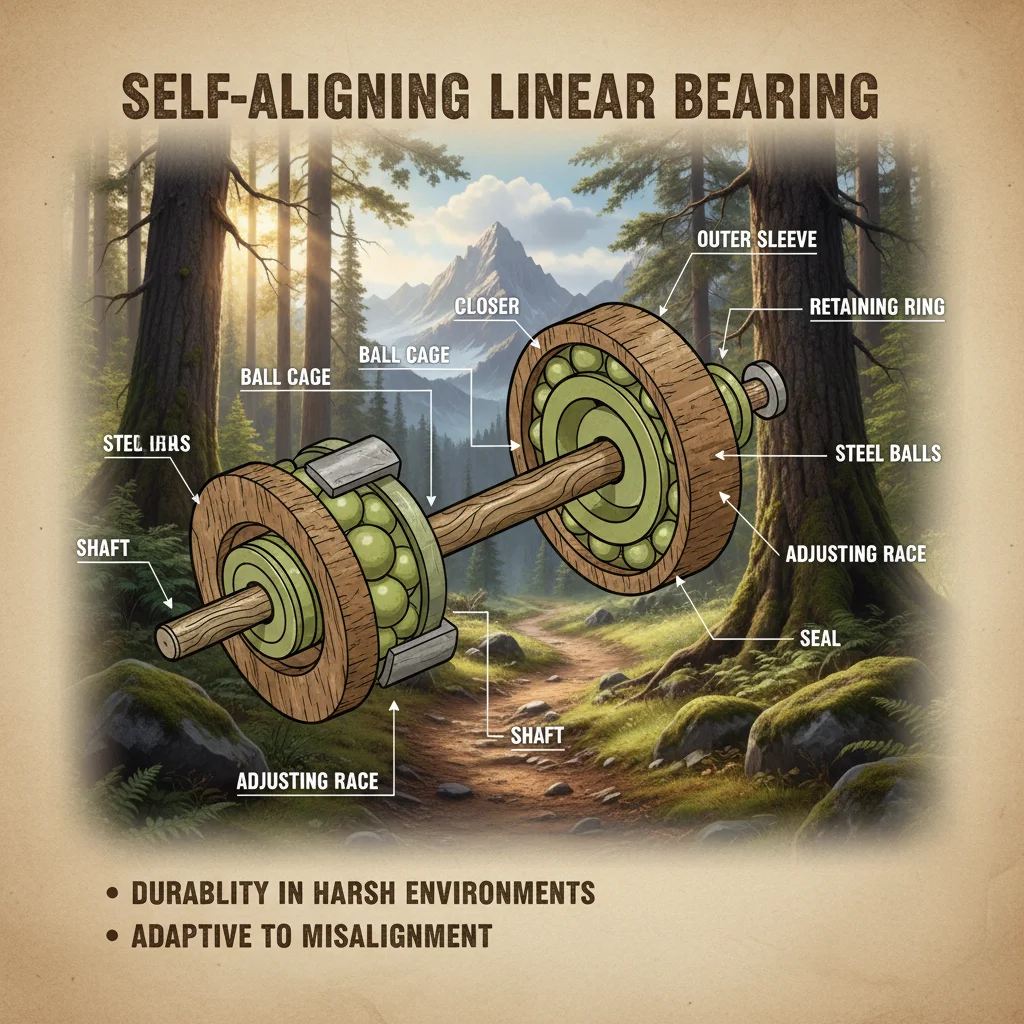
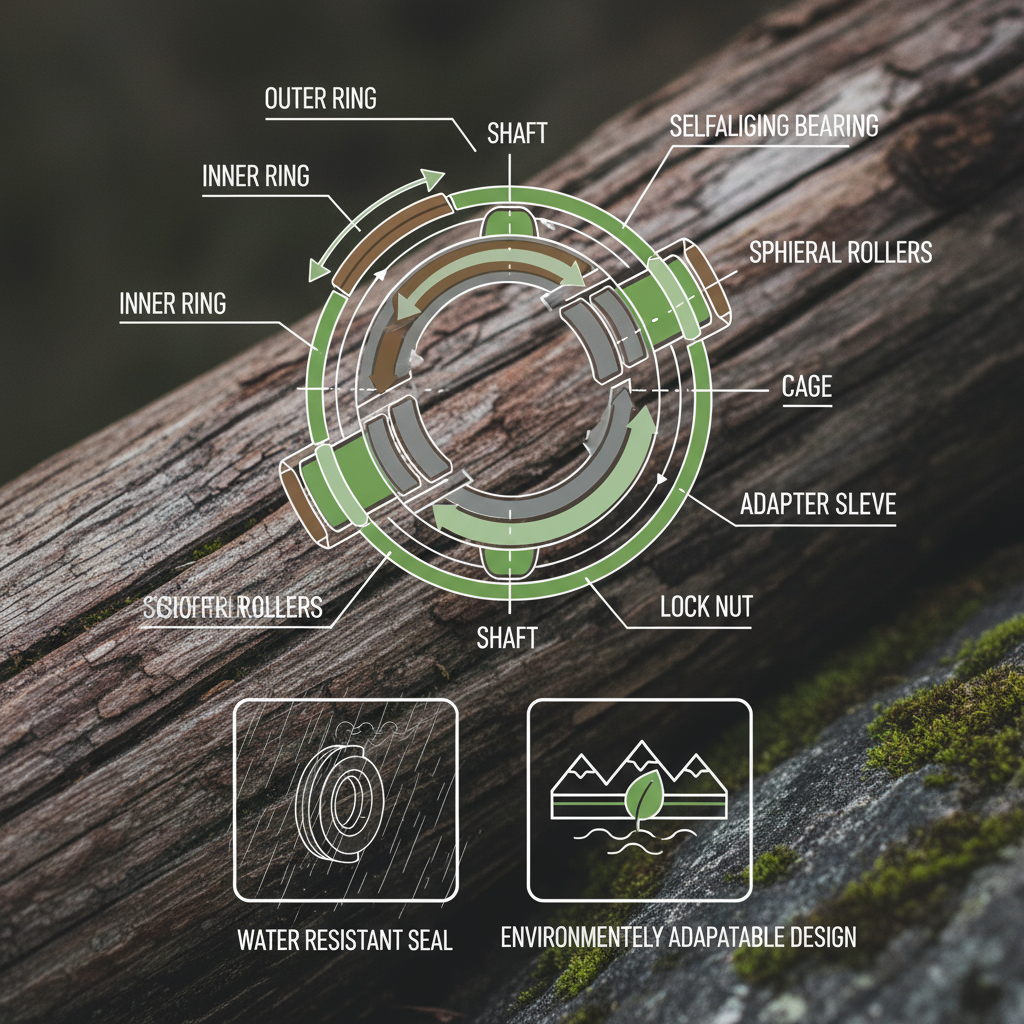
At its core, a self centering bearing is a specialized bearing designed to allow the inner ring and rolling elements to tilt within the outer ring. Unlike standard deep groove ball bearings, which require rigid perpendicularity, the self-aligning design features a spherical outer raceway. This geometry allows the bearing to automatically adjust to the angle of the shaft, ensuring that the rolling elements always maintain a consistent contact patch regardless of minor tilts.
This mechanical intelligence is vital for modern humanitarian and industrial needs, particularly in remote areas where precision alignment tools are unavailable. In rural infrastructure projects—such as water pumping stations or agricultural processing plants—the ability of the bearing to "find its own center" simplifies the installation process and removes the need for highly specialized technicians. It democratizes the deployment of complex machinery by making the hardware more forgiving of human error during assembly.
Furthermore, the connection between self-centering capabilities and system longevity cannot be overstated. When a shaft bends under a heavy load, a rigid bearing would experience extreme stress at the edges of the raceway, leading to "spalling" or pitting. The self centering bearing redistributes this load across the spherical surface, maintaining a smooth rotation and protecting the integrity of the overall drive train.
Core Factors Influencing Bearing Durability
One of the primary factors in the longevity of a self centering bearing is the quality of the material and the precision of the spherical grinding. High-carbon chromium steel is typically used to ensure the raceways can withstand high radial loads without deformation. When the surface finish is optimized, friction is minimized, which directly translates to lower operating temperatures and a longer lubricant life.
Scalability and load capacity are also critical considerations. A self centering bearing must be matched to the specific radial and axial forces of the application. Over-specifying can lead to unnecessary costs and weight, while under-specifying results in rapid wear. The balance between the internal clearance and the load-bearing capacity determines how well the bearing can handle sudden shocks or vibration in a dynamic environment.
Finally, environmental sealing plays a decisive role in durability. Because these bearings are often used in "dirty" industries—such as cement plants or quarries—the ability to keep contaminants out is paramount. Integrating advanced seals with a self centering bearing prevents abrasive particles from entering the spherical raceway, thereby preserving the polished surface and preventing premature failure.
Performance Metrics and Efficiency Analysis
Evaluating the efficiency of a self centering bearing requires a look at both the energy loss due to friction and the stability of the rotation. In high-speed applications, the self-aligning feature reduces the parasitic drag that occurs when a misaligned shaft forces the rolling elements against the shoulder of the bearing. This results in a more energy-efficient system, lowering the total cost of ownership over the machine's lifecycle.
When comparing different configurations, engineers often look at the "Alignment Tolerance Angle." This is the maximum degree of tilt the bearing can accommodate while still maintaining its rated load capacity. A higher tolerance angle allows for more flexibility in the machine frame, which is particularly useful in long-span conveyor systems where the structure may sag over time due to heat or weight.
Comparative Efficiency of Self Centering Bearing Variants
Global Industrial Applications and Use Cases
The practical application of the self centering bearing spans across virtually every sector of heavy industry. In the agricultural sector, they are ubiquitous in combine harvesters and irrigation pivots, where the machinery must operate on uneven terrain and withstand heavy vibrations. The self-aligning nature prevents the bearings from seizing when the chassis twists under load, ensuring food production remains uninterrupted.
In more extreme environments, such as deep-sea oil rigs or remote mining zones in the Andes, these bearings are critical for the longevity of ore crushers and conveyor belts. In these regions, the cost of sending a technician for a simple alignment check is astronomical. By using a self centering bearing, companies can significantly reduce their on-site maintenance frequency, relying on the hardware's innate ability to compensate for the natural shifting of the heavy steel foundations.
Long-Term Value and Economic Advantages
From a financial perspective, the investment in a high-quality self centering bearing is a strategy for risk mitigation. While the initial procurement cost may be higher than that of a standard bearing, the Total Cost of Ownership (TCO) is drastically lower. This is primarily due to the reduction in unplanned downtime, which in some industries can cost thousands of dollars per minute.
Beyond the balance sheet, there is a profound social and safety impact. Bearings that fail suddenly can lead to catastrophic mechanical collapses, posing a direct threat to worker safety. The reliability of self-aligning technology provides peace of mind and dignity to the operators, knowing that the machinery they rely on is designed with a fail-safe mechanism against misalignment.
Furthermore, sustainability is enhanced through the extension of the product lifecycle. By reducing the rate of wear and tear, a self centering bearing decreases the volume of scrap metal and waste lubricant entering the environment. This aligns with global "Green Industry" initiatives, transforming a simple mechanical component into a tool for environmental stewardship.
Future Trends in Bearing Innovation
The future of the self centering bearing is being shaped by the convergence of material science and digitalization. We are seeing the introduction of hybrid ceramics—combining steel rings with silicon nitride balls—which offer lower friction and higher heat resistance. These materials allow self-aligning bearings to operate at speeds and temperatures that were previously impossible, opening new doors in aerospace and high-speed rail.
Digital transformation is also playing a key role through "Smart Bearings." By integrating MEMS sensors into the outer ring of a self centering bearing, manufacturers can now monitor the actual angle of misalignment in real-time. This data allows for predictive maintenance, where a system can alert operators that the shaft is tilting beyond a safe threshold before a failure actually occurs.
Additionally, the move toward carbon-neutral manufacturing is influencing how these bearings are produced. New additive manufacturing (3D printing) techniques are being explored to create optimized internal geometries that reduce the weight of the bearing without sacrificing its load-carrying capacity. This evolution ensures that the self centering bearing remains at the heart of the next industrial revolution.
Technical Comparison of Self Centering Bearing Innovations
| Technology Type |
Load Capacity |
Alignment Range |
Maintenance Need |
| Traditional Steel |
High |
Moderate |
Standard |
| Ceramic Hybrid |
Moderate |
High |
Low |
| Sensor-Integrated |
High |
Moderate |
Predictive |
| Polymer Coated |
Low |
High |
Very Low |
| Advanced Alloy |
Very High |
Moderate |
Standard |
| Composite Matrix |
Moderate |
Very High |
Low |
FAQS
The primary difference lies in the outer raceway. A standard ball bearing has a cylindrical raceway, requiring the shaft to be perfectly aligned. In contrast, a self centering bearing features a spherical raceway, allowing the inner ring to pivot. This means it can automatically compensate for misalignment or shaft deflection, preventing edge loading and extending the operational life of the machinery.
Generally, self-aligning ball bearings are better suited for radial loads. However, spherical roller bearings (a type of self centering bearing) are specifically designed to handle both heavy radial and significant axial loads in both directions. When selecting a bearing, it is crucial to check the specific load ratings to ensure the component can withstand the combined forces of your application.
You should consider a self centering bearing if you notice frequent premature bearing failures, excessive heat at the bearing shoulders, or if your machinery uses long shafts that are prone to bending. Additionally, if your installation environment makes precision alignment difficult or if the machine frame is subject to thermal expansion and contraction, self-aligning technology is the ideal solution.
Actually, they often reduce maintenance costs. Because a self centering bearing prevents the wear associated with misalignment, the interval between replacements is usually longer. While the initial cost may be higher, the reduction in manual alignment labor and unplanned downtime makes them a more cost-effective choice in the long run.
Industries involving heavy-duty transport and processing benefit the most. This includes mining (conveyors, crushers), agriculture (harvesters, pivots), pulp and paper (large rollers), and textile manufacturing. Any sector where large-scale equipment is subject to vibration, structural sagging, or harsh environmental conditions relies heavily on the self centering bearing.
It depends on the bearing series. Many self centering bearing options, such as insert bearings, are designed to fit into standard pillow block housings. However, for larger spherical roller bearings, the housing geometry must be compatible with the spherical outer ring. We recommend consulting a technical drawing or a specialist to ensure the fit is correct before replacement.
Conclusion
The self centering bearing represents a critical intersection of mechanical ingenuity and industrial practicality. By solving the age-old problem of shaft misalignment, these components not only enhance the efficiency and longevity of heavy machinery but also contribute to safer working environments and more sustainable manufacturing practices. From their fundamental spherical geometry to the integration of smart sensors, they provide the flexibility and resilience required to keep the world's most demanding industries operational.
Looking ahead, the transition toward hybrid materials and predictive maintenance will further solidify the role of self-aligning technology in the era of Industry 4.0. For engineers and plant managers, prioritizing the quality and specification of these bearings is not just a maintenance choice—it is a strategic investment in operational stability. To explore our full range of precision solutions, visit our website: www.hebeibearings.com