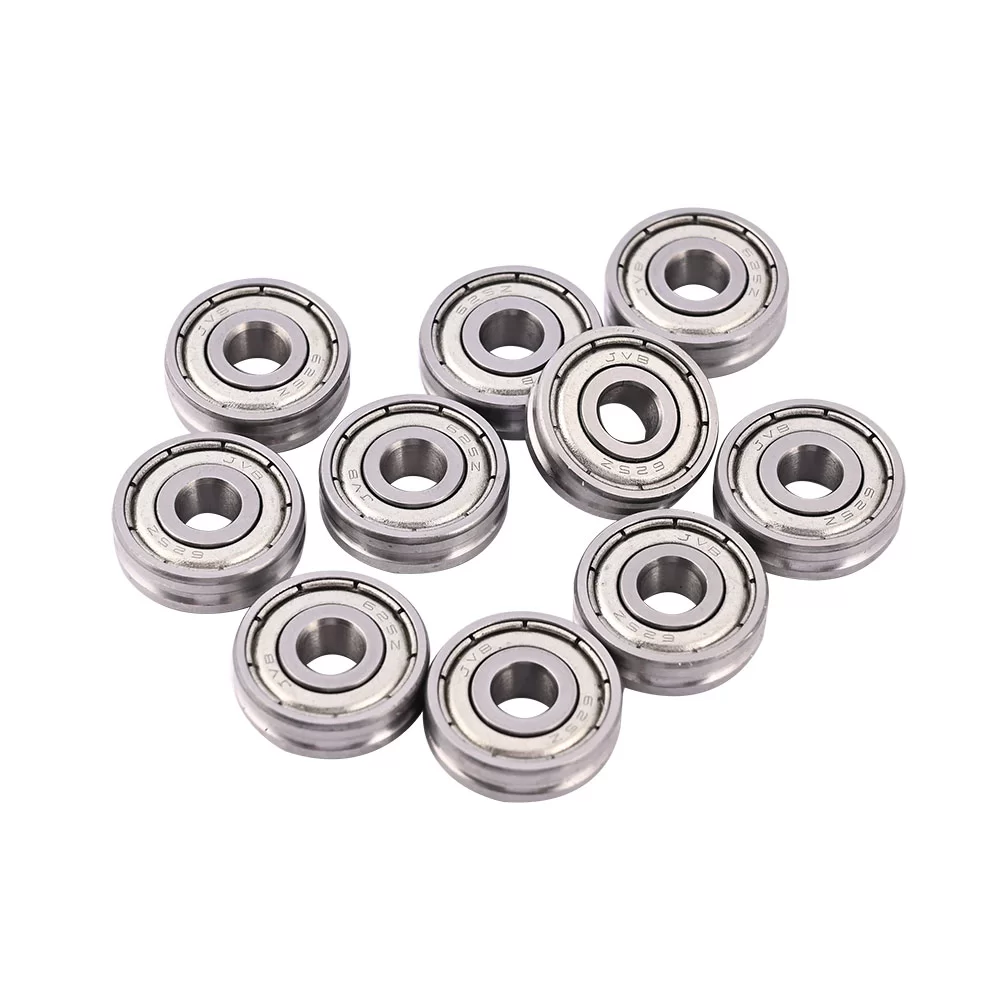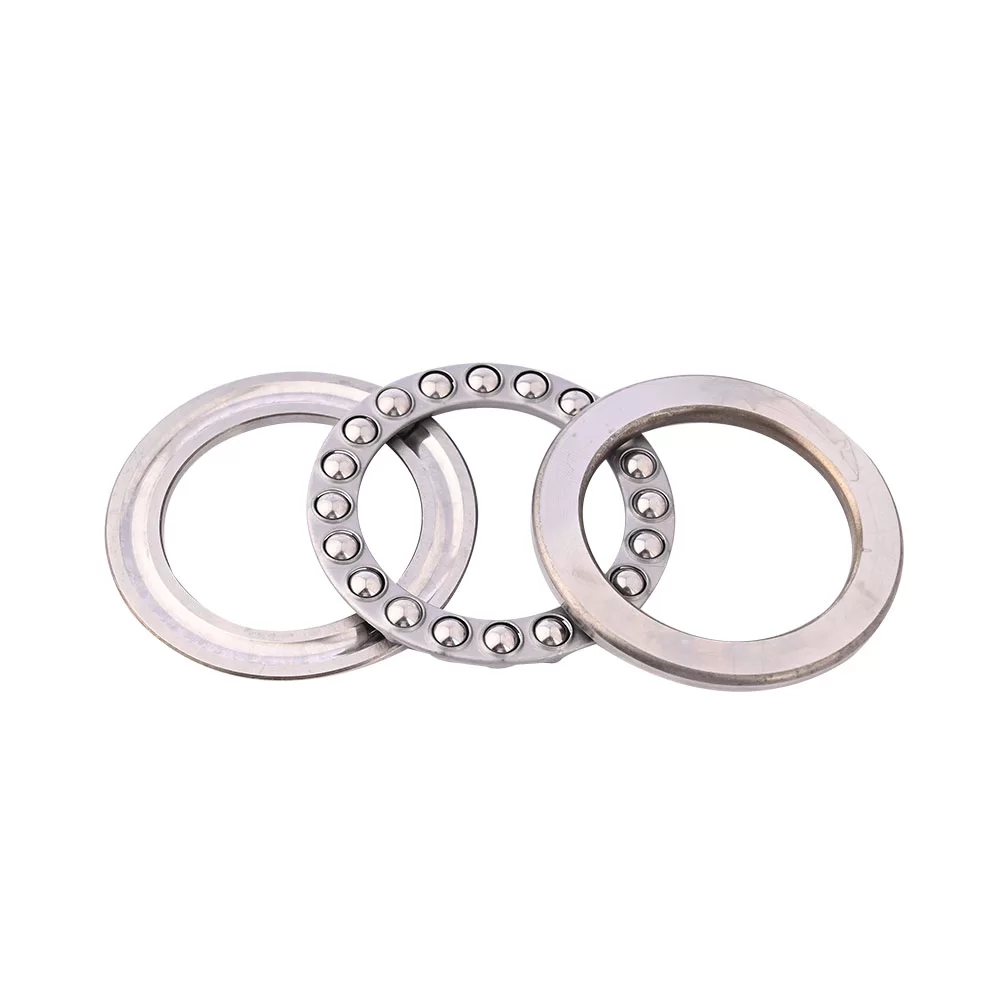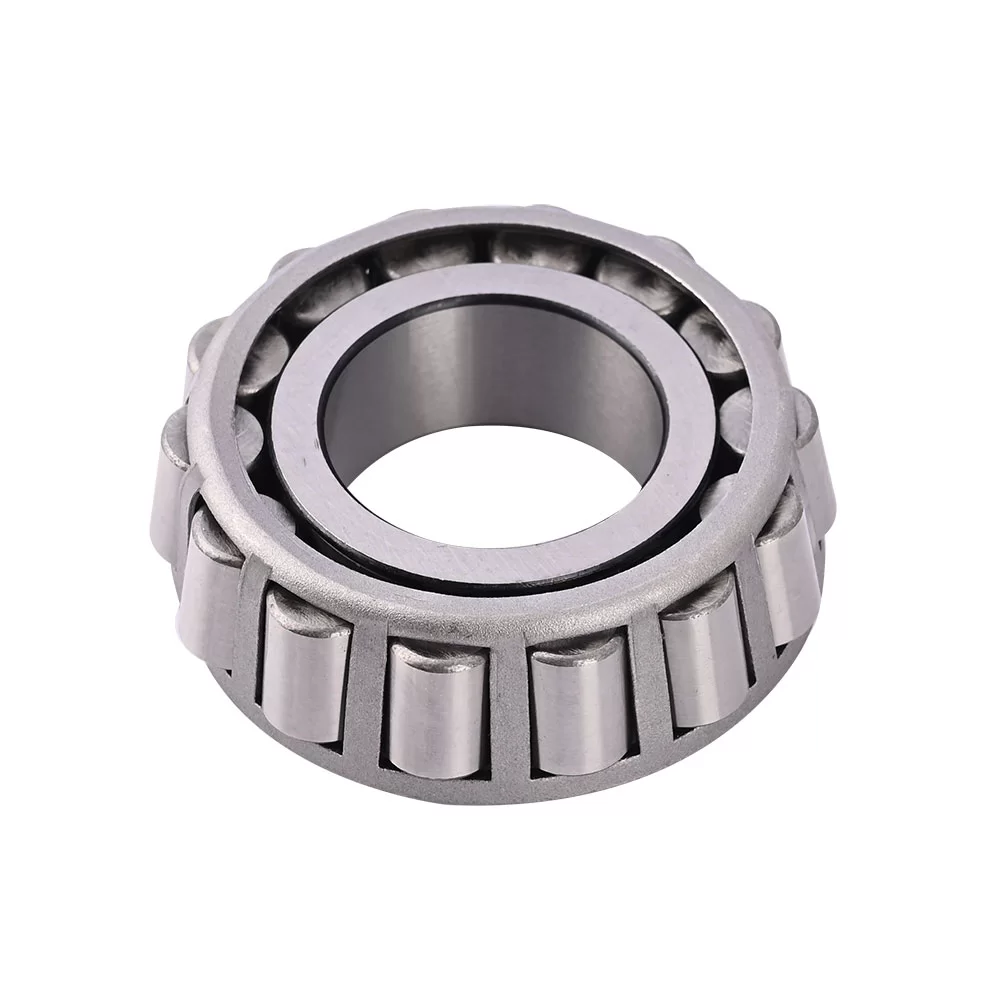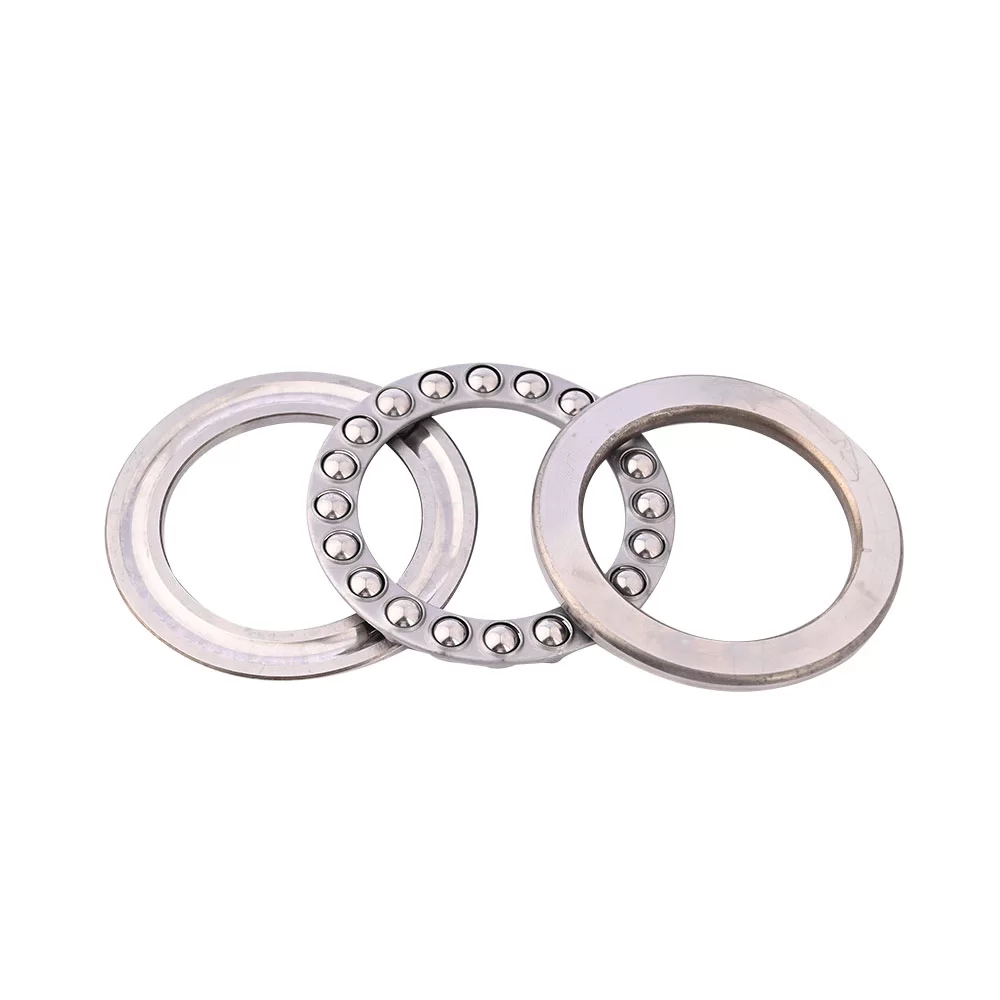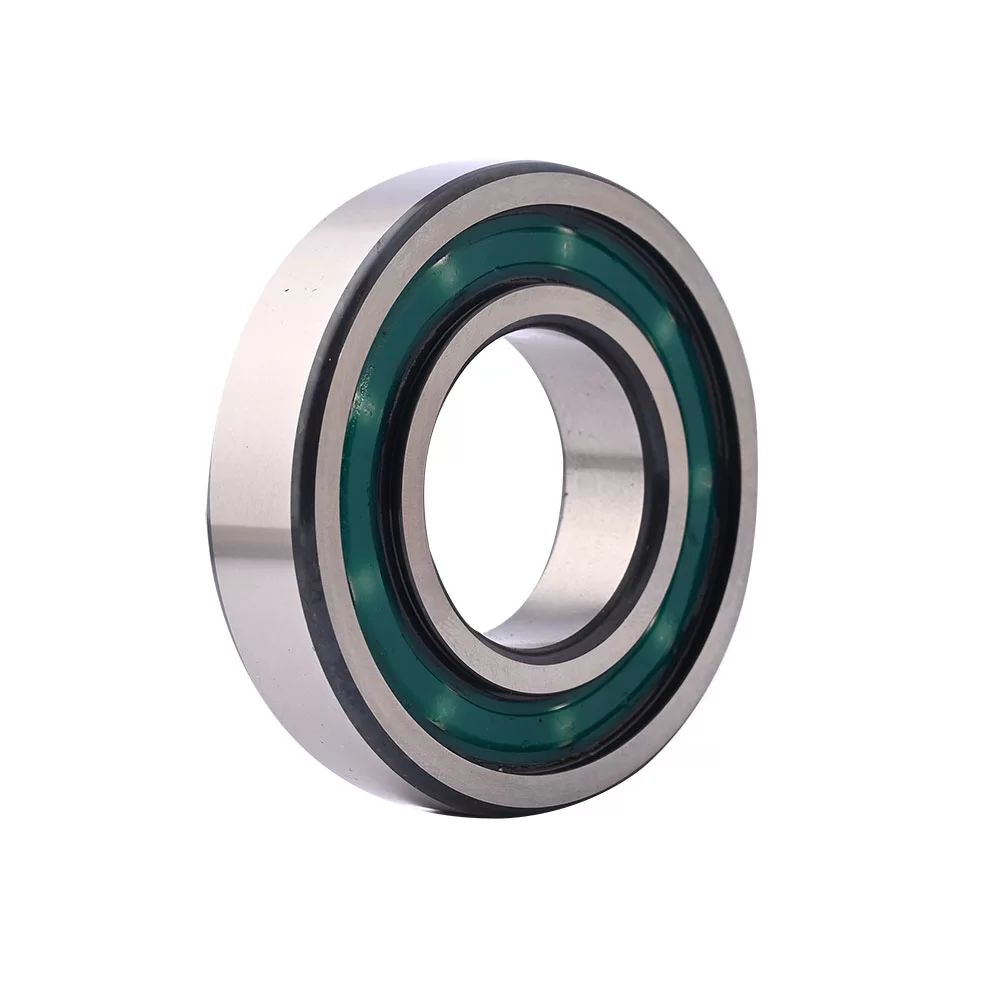

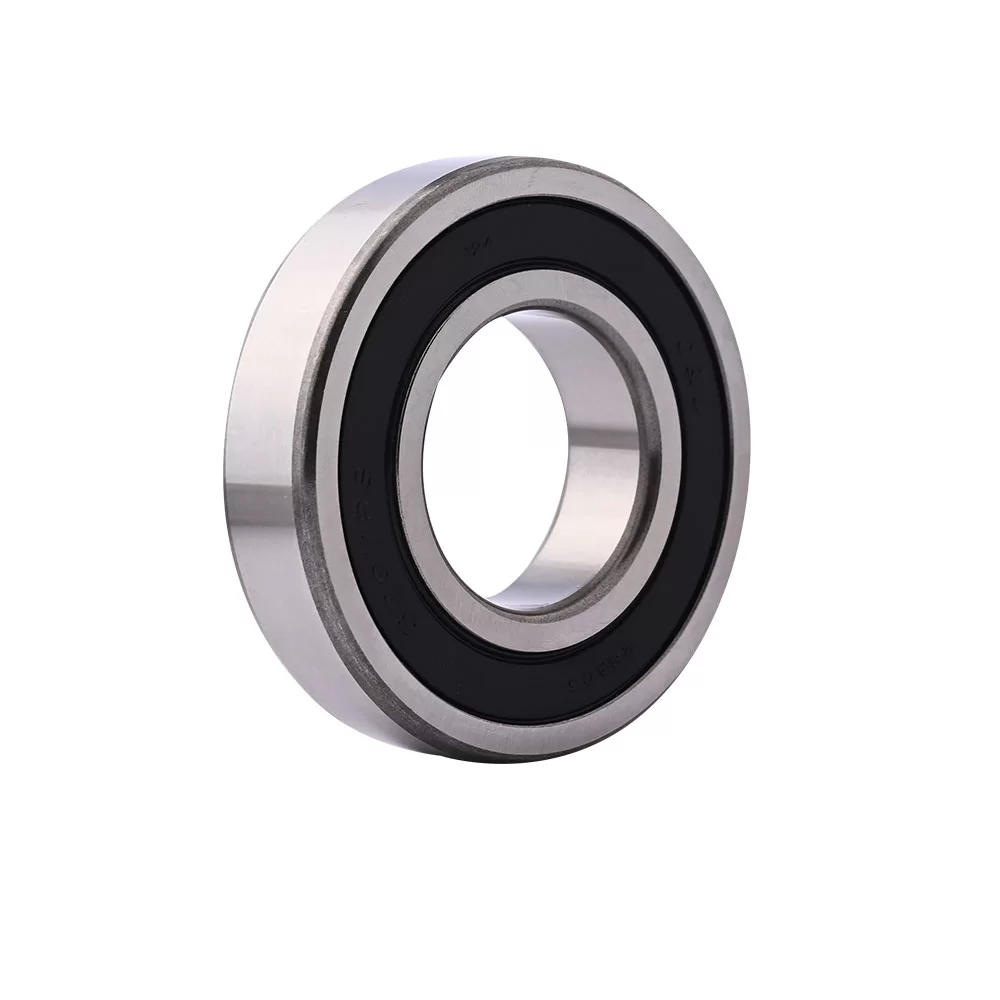
A bearing is a mechanical component designed to reduce friction and support rotational or linear motion between moving parts. Its key features include high load-carrying capacity, smooth and stable operation, and precise alignment control. Bearings are typically made from hardened steel or advanced ceramic materials to ensure durability, wear resistance, and long service life. They are engineered to operate reliably under various speeds, temperatures, and environmental conditions. Proper sealing and lubrication features help prevent contamination and minimize maintenance requirements.
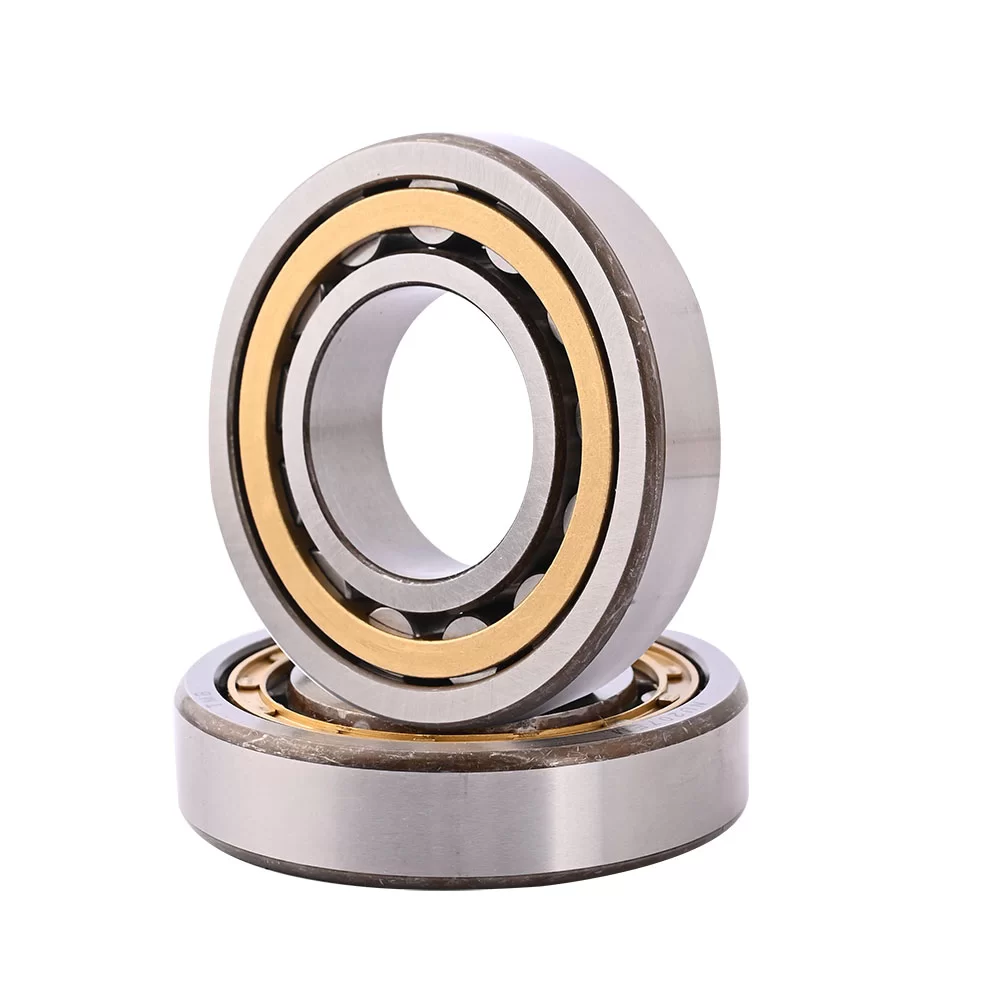
Cylindrical roller bearings designed for machine tool spindles are critical precision components that directly influence machining accuracy, rigidity, productivity, and operational reliability. As modern machine tools continue to evolve toward higher speed, higher precision, and higher cutting efficiency, spindle bearings must meet increasingly demanding performance requirements.
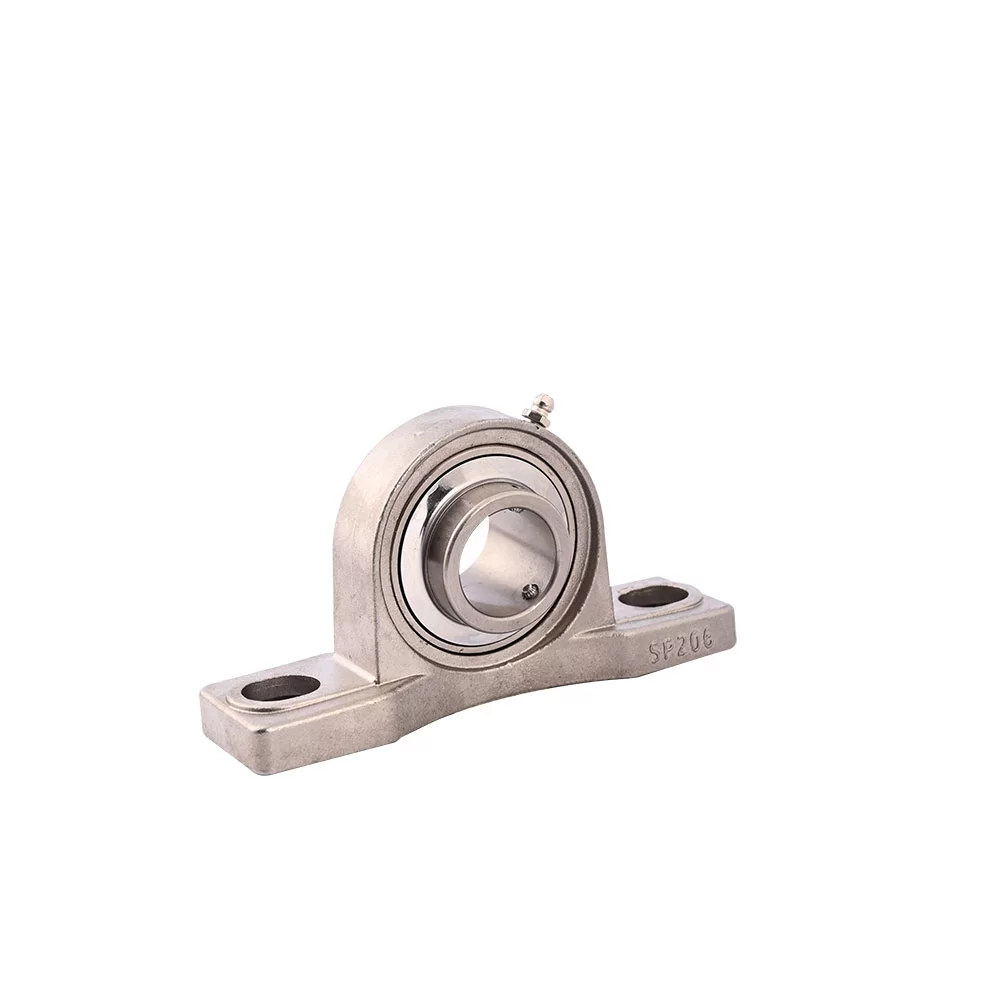
Insert bearings play a vital role in the reliable operation of conveyor systems in modern combine harvesters. Conveyor shafts are responsible for transporting crops, grain, and residue through various stages of harvesting, cleaning, and unloading.
Deep Groove Ball Bearings are one of the most widely used bearing types in industrial fan systems, playing a crucial role in ensuring stable operation, high efficiency, and long service life. Industrial fans are essential components in ventilation, cooling, dust collection, and air handling systems across various industries, including manufacturing, power generation, mining, and HVAC.
Miniature bearings play a critical role in modern electronic products and compact industrial fan systems, where space limitations, high rotational speed, low noise, and reliable performance are essential. With the rapid development of electronics, automation, and thermal management technologies, miniature bearings have become indispensable components in small motors, cooling fans, and precision rotating mechanisms.