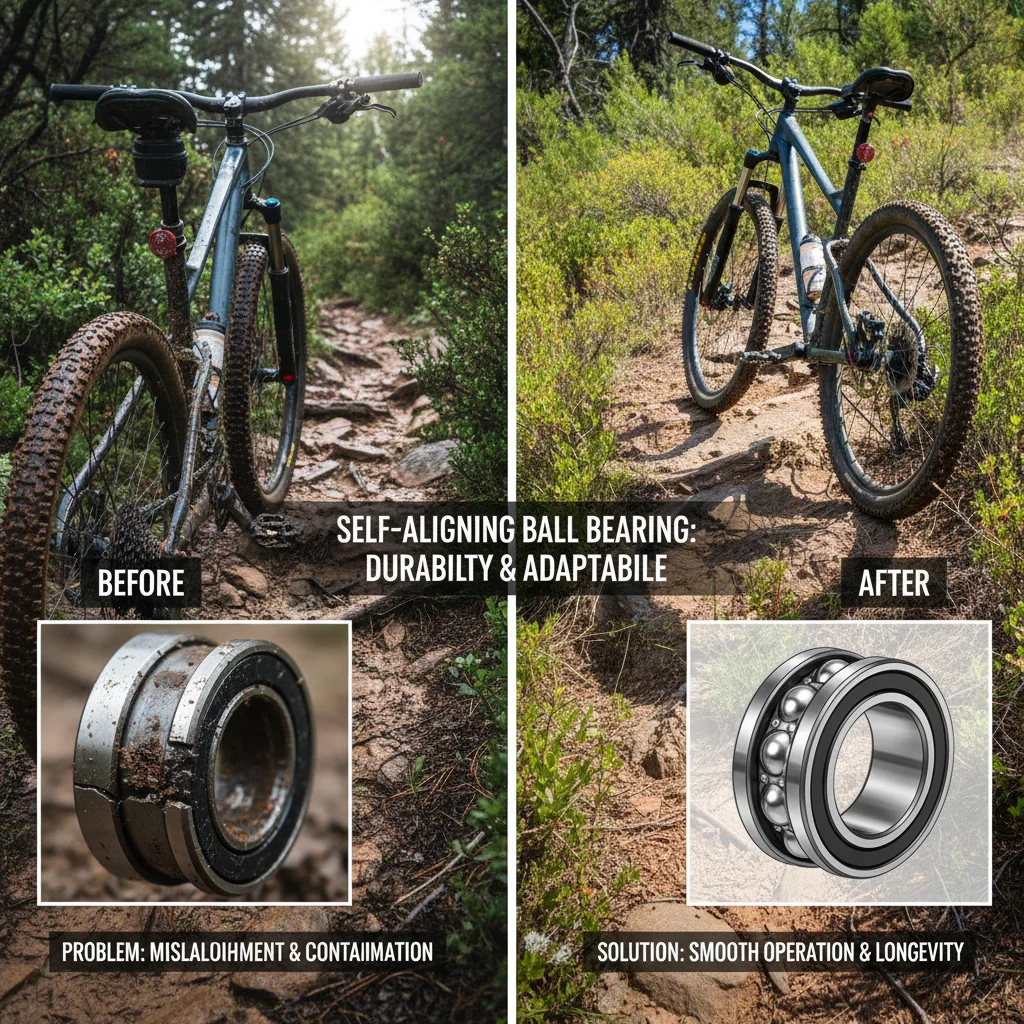
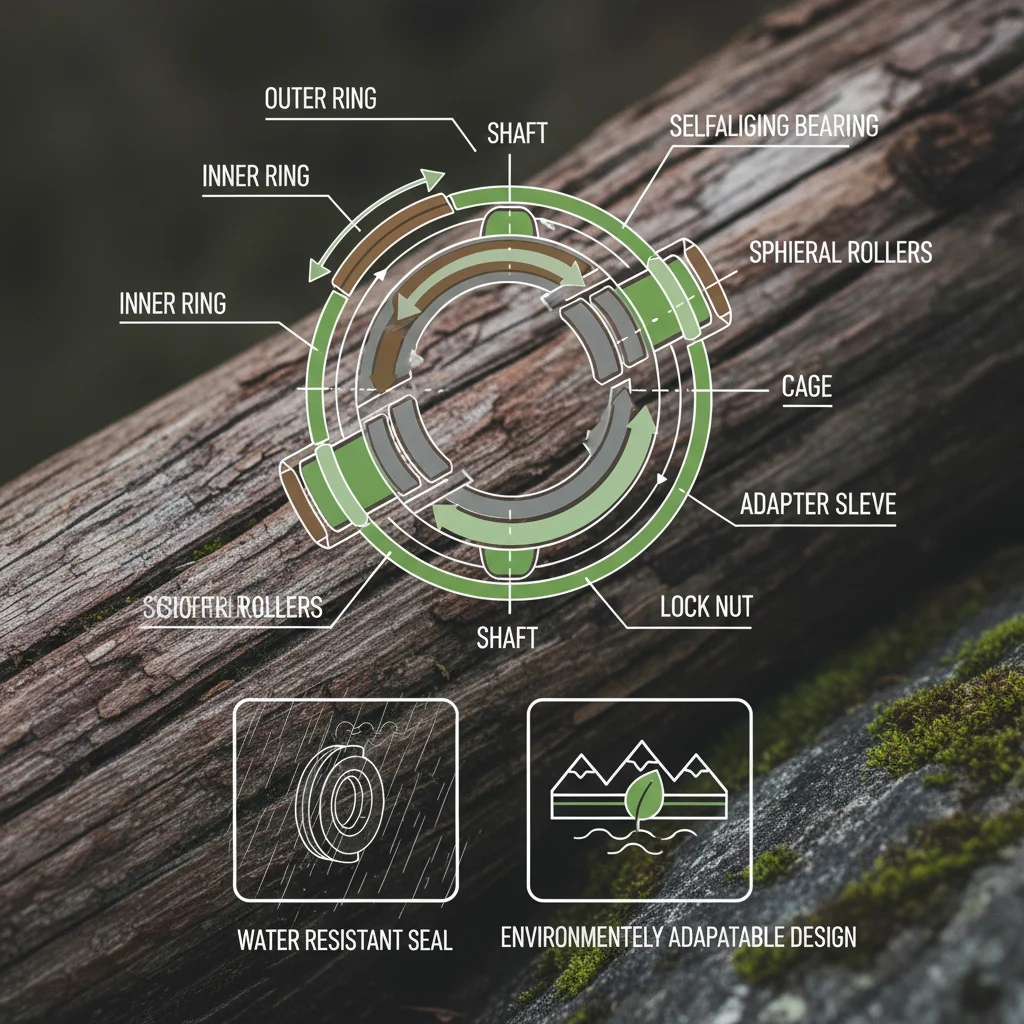
ball bearings are fundamental components in modern machinery, playing a critical role in reducing friction and enabling smooth, efficient motion. Their impact spans countless industries, from automotive and aerospace to manufacturing and healthcare. Understanding the principles behind ball bearing technology is essential for engineers, technicians, and anyone involved in the design, maintenance, or operation of mechanical systems.
Globally, the ball bearing market is a multi-billion dollar industry, driven by increasing demand for automation, precision engineering, and sustainable solutions. According to industry reports, the market is projected to continue growing at a significant rate in the coming years. This demand necessitates continuous innovation in materials, manufacturing processes, and performance optimization of ball bearings.
The importance of ball bearings extends beyond industrial applications; they are crucial in ensuring the reliability and safety of everyday devices and systems, influencing aspects of modern life that we often take for granted.

Introduction to Ball Bearing Technology
The core principle behind ball bearings is the use of spherical elements (balls) to minimize friction between moving surfaces. This seemingly simple concept has revolutionized countless industries, enabling higher speeds, increased efficiency, and extended equipment lifespan. The proper selection and application of ball bearings are essential for optimal performance.
Different types of ball bearings are designed for specific load conditions and applications. From deep groove ball bearings, ideal for high-speed applications, to angular contact ball bearings capable of handling axial and radial loads, understanding these variations is crucial for effective engineering design.
Defining Ball Bearings
A ball bearing is a type of rolling-element bearing that uses balls to maintain the separation between the bearing races. These races, typically made of hardened steel, provide a smooth surface for the balls to roll on, reducing friction and allowing for rotational or linear movement. This is a fundamental distinction from sleeve bearings which rely on a lubricating film to reduce friction.
The connection to modern industry is undeniable. Without ball bearings, many of the technologies we rely on daily – from automobiles and aircraft to computers and medical equipment – would be either impractical or impossible. They are a cornerstone of precision engineering.
Furthermore, ball bearings contribute significantly to humanitarian needs by enabling the reliable operation of critical infrastructure like water pumps, medical devices in remote areas, and transportation systems in developing countries.
Key Factors Influencing Ball Bearing Performance
Durability is a paramount concern in ball bearing performance. Factors such as material quality, heat treatment, and surface finish directly impact the bearing’s resistance to wear, fatigue, and corrosion. Properly lubricated ball bearings also have a significantly longer lifespan.
Load capacity determines the amount of force a ball bearing can withstand without deformation or failure. This is influenced by the size and number of balls, the bearing’s internal geometry, and the material properties of the components. Selecting the correct ball bearing type for a given application requires careful consideration of the expected load.
Precision refers to the dimensional accuracy and runout of the ball bearing. High-precision ball bearings are essential in applications requiring minimal vibration and accurate positioning, such as robotics and precision machining.
Global Applications of Ball Bearings
Ball bearings are integral to the automotive industry, used in wheel hubs, transmissions, and engines to ensure smooth and efficient vehicle operation. The aerospace industry relies heavily on high-precision ball bearings in aircraft engines, landing gear, and control systems.
Manufacturing processes utilize ball bearings in a vast array of machinery, including conveyor systems, machine tools, and robotics. The medical field employs ball bearings in surgical instruments, medical imaging equipment, and prosthetic devices.
In remote industrial zones across Asia and South America, reliable ball bearings are essential for maintaining uptime and productivity in mining operations and resource processing facilities. Similarly, in post-disaster relief operations, the durability of ball bearings in portable generators and water purification systems can be life-saving.
Ball Bearing Performance Metrics
Advantages and Long-Term Value
The cost-effectiveness of ball bearings, coupled with their long service life, translates to reduced maintenance costs and increased operational efficiency. Their reliability minimizes downtime and prevents costly equipment failures.
From a sustainability perspective, the efficiency gains provided by ball bearings contribute to reduced energy consumption and lower carbon emissions. Furthermore, advancements in materials and manufacturing are leading to more environmentally friendly bearing designs.
Future Trends and Innovations
The development of ceramic ball bearings is gaining momentum due to their superior hardness, corrosion resistance, and high-temperature performance. Self-lubricating ball bearings, incorporating solid lubricants into the bearing material, are reducing the need for external lubrication and simplifying maintenance.
Digitalization and the integration of sensors into ball bearings are enabling predictive maintenance, allowing operators to monitor bearing condition in real-time and schedule maintenance proactively, minimizing downtime and extending equipment life.
Automation and AI-driven optimization of ball bearing manufacturing processes are leading to increased precision, reduced waste, and improved product quality.
Challenges and Solutions in Ball Bearing Technology
One persistent challenge is managing heat generation within ball bearings, particularly in high-speed applications. Innovative cooling techniques, such as liquid cooling and optimized bearing designs, are being developed to address this issue.
Another challenge is minimizing noise and vibration. Precision manufacturing, improved surface finishes, and the use of advanced materials can help reduce unwanted noise and vibration levels.
Ensuring consistent quality and traceability throughout the supply chain is also critical. Implementing robust quality control procedures and utilizing advanced tracking technologies can help mitigate risks and ensure the reliability of ball bearings.
Summary of Ball Bearing Challenge Solutions
| Challenge |
Impact on Ball Bearing Performance |
Proposed Solution |
Expected Improvement |
| High Friction |
Reduced Efficiency, Increased Heat |
Advanced Lubrication Systems |
10-15% Efficiency Gain |
| Material Fatigue |
Premature Failure, Reduced Lifespan |
High-Strength Alloy Development |
20-30% Lifespan Extension |
| Noise and Vibration |
Reduced Performance, Discomfort |
Precision Manufacturing Techniques |
5-10 dB Noise Reduction |
| Corrosion |
Degradation of Components, Failure |
Protective Coatings and Materials |
Improved Resistance in Harsh Environments |
| Heat Generation |
Reduced Lubricant Effectiveness, Damage |
Optimized Cooling Systems |
10-15°C Temperature Reduction |
| Supply Chain Issues |
Quality Control, Traceability |
Blockchain Tracking, Rigorous Testing |
Enhanced Reliability and Transparency |
FAQS
The lifespan of a ball bearing is highly dependent on its application, load, speed, lubrication, and environmental conditions. However, a well-maintained ball bearing can often operate for tens of thousands of hours, and even exceed 100,000 hours in optimal conditions. Regular inspection and relubrication are crucial for maximizing lifespan.
Selecting the appropriate ball bearing requires careful consideration of several factors, including the load type (radial, axial, or combined), operating speed, temperature, and environmental conditions. You should also consider the bearing's required precision and lifespan. Consulting with a bearing specialist is recommended for complex applications.
Lubrication is critical for ball bearing performance. It reduces friction, minimizes wear, dissipates heat, and protects against corrosion. The correct type of lubricant must be selected based on the bearing's operating conditions and speed. Regular relubrication is essential to maintain optimal performance.
Common signs of a failing ball bearing include unusual noise (grinding, rattling), increased vibration, overheating, and reduced performance. Regular inspection and monitoring of these symptoms can help prevent catastrophic failures.
Ceramic ball bearings offer several advantages over steel ball bearings, including higher hardness, superior corrosion resistance, and the ability to operate at higher temperatures. However, they are generally more expensive and may not be suitable for all applications. The best choice depends on the specific requirements of the application.
Ball bearings should be stored in a clean, dry environment, protected from dust, moisture, and corrosive substances. It is best to store them in their original packaging or in a sealed container. Avoid dropping or impacting the bearings during handling and storage.
Conclusion
In summary, ball bearings are foundational to countless industries and applications, providing a crucial solution for reducing friction and enabling efficient motion. Understanding their principles, types, and proper application is essential for maximizing performance, reliability, and longevity. Continuous innovation in materials, manufacturing processes, and lubrication techniques is driving further advancements in ball bearing technology.
Looking ahead, the integration of digitalization, predictive maintenance, and sustainable materials will play a significant role in shaping the future of ball bearing technology. By embracing these advancements, we can unlock even greater efficiencies, reduce environmental impact, and enhance the reliability of critical systems across a wide range of industries. Visit our website to explore our extensive range of high-quality ball bearings: www.hebeibearings.com