
Comprehensive Guide to Stainless Steel Bearing Inserts for Optimal Performance
Understanding Stainless Steel Bearing Inserts
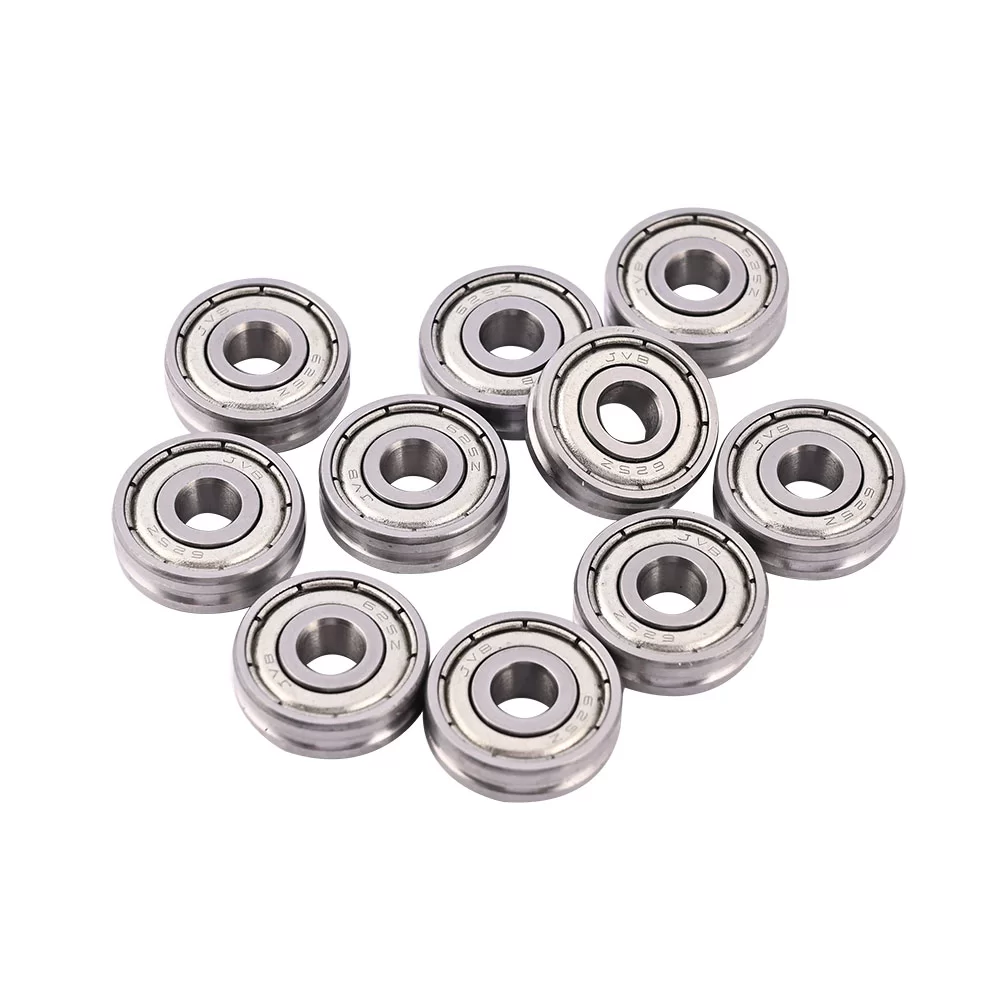
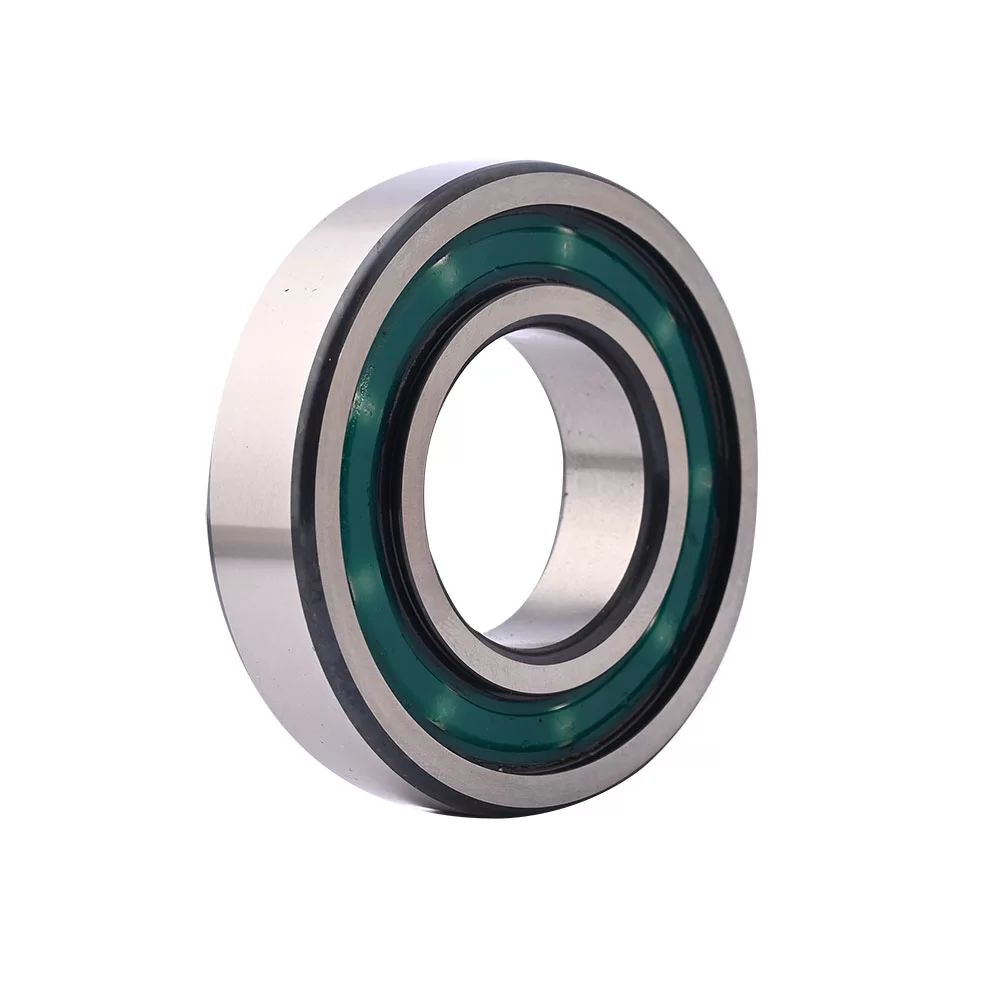
Stainless steel bearing inserts are critical components in a wide range of applications, offering superior corrosion resistance and durability. They are utilized across industries like food processing, marine, chemical, and medical, where exposure to harsh environments is common. These inserts combine a high-quality stainless steel outer race with precision bearings, providing reliable performance in challenging conditions. Understanding their specifications, benefits, and applications is vital for engineers and purchasers seeking optimal solutions. Explore our range of stainless steel bearing inserts at Hebei Bearings for your specific needs.

Key Advantages of Stainless Steel Bearing Inserts
The primary advantage of stainless steel bearing inserts is their exceptional resistance to corrosion. Unlike standard steel bearings, stainless steel contains chromium, which forms a protective oxide layer preventing rust and degradation even in highly corrosive environments. This translates to a longer lifespan, reduced maintenance requirements, and improved reliability. Furthermore, stainless steel offers high strength and excellent temperature resistance. They are an ideal choice when hygiene is critical, such as in food processing or pharmaceutical applications, as they can be easily sterilized. Choosing the right stainless steel grade for your application is paramount – 304 and 316 are common choices, with 316 providing even greater corrosion resistance.
Key Highlights: Exceptional corrosion resistance, high strength, excellent temperature resistance, suitable for hygienic applications, and long service life.
Stainless Steel Bearing Inserts: Materials and Grades
Stainless steel bearing inserts are commonly manufactured using 304 and 316 stainless steel. 304 stainless steel is an austenitic stainless steel providing good corrosion resistance in a wide range of environments. It’s cost-effective and readily available, making it a popular choice for general-purpose applications. 316 stainless steel, however, contains molybdenum, which significantly enhances its resistance to chloride corrosion, making it ideal for marine environments and applications involving chemicals. The bearings within the insert can be made from stainless steel, ceramic, or other materials depending on the specific requirements of the application. Choosing the appropriate material combination ensures optimal performance and longevity.
Material Comparison:
• 304 Stainless Steel: Good corrosion resistance, cost-effective, general-purpose applications
• 316 Stainless Steel: Excellent chloride corrosion resistance, ideal for marine and chemical environments
• Ceramic Bearings: High temperature resistance, electrical insulation, suitable for harsh environments
Comparing Stainless Steel Inserts to Other Materials
While stainless steel bearing inserts offer significant advantages, it’s crucial to compare them to other materials to determine the best fit for your needs. Compared to carbon steel inserts, stainless steel provides superior corrosion resistance but often comes at a higher cost. Brass inserts offer good corrosion resistance but lack the strength of stainless steel. Plastic inserts are lightweight and cost-effective but are generally not suitable for high-load or high-temperature applications. The following table summarizes a comparison:
Applications of Stainless Steel Bearing Inserts
The versatility of stainless steel bearing inserts leads to widespread application across various industries. In the food and beverage industry, their hygienic properties and corrosion resistance are crucial for maintaining product purity. Marine applications benefit from their ability to withstand saltwater corrosion. Chemical processing plants rely on them for resistance to harsh chemicals. Medical equipment utilizes them due to their biocompatibility and sterilizability. Some common applications include conveyor systems, pumps, mixers, and valve actuators. Hebei Bearings offers a wide range of stainless steel bearing inserts to suit diverse industrial needs.

Selecting the Right Stainless Steel Bearing Insert
Choosing the right stainless steel bearing insert requires careful consideration of several factors. First, determine the operating environment – is it exposed to corrosive chemicals, saltwater, or high temperatures? Select the appropriate stainless steel grade (304 or 316) based on the level of corrosion resistance needed. Next, consider the load capacity and speed requirements of the application. Choose a bearing size and type that can handle the expected loads without overheating or failing. Finally, consider the mounting requirements and ensure the insert is compatible with the housing.
Conclusion: Reliable Performance with Stainless Steel Bearing Inserts
Investing in high-quality stainless steel bearing inserts ensures long-term reliability and reduced maintenance costs in challenging environments. Proper material selection and consideration of application requirements are essential for optimal performance. Hebei Bearings provides a comprehensive range of stainless steel bearing inserts and expert guidance to help you find the perfect solution for your needs.
Frequently Asked Questions (FAQs)
What are the common applications of 316 stainless steel bearing inserts?
316 stainless steel bearing inserts are particularly well-suited for applications in marine environments due to their exceptional resistance to chloride corrosion. They are also commonly used in chemical processing, pharmaceutical manufacturing, and food processing where exposure to corrosive substances and the need for hygiene are paramount. Other applications include outdoor equipment, medical devices, and any environment where high corrosion resistance is crucial. They provide long-lasting performance and minimize the risk of failure in these demanding conditions.
How do I properly lubricate a stainless steel bearing insert?
Proper lubrication is crucial for extending the life and maximizing the performance of stainless steel bearing inserts. The choice of lubricant depends on the operating temperature, load, and environmental conditions. Common lubricants include lithium-based greases, silicone-based greases, and synthetic oils. Avoid lubricants that contain molybdenum disulfide, as it can cause galvanic corrosion with stainless steel. Regular relubrication is essential, with the frequency depending on the application. Consult the bearing manufacturer's recommendations for specific lubrication guidelines.
What is the difference between a flanged and non-flanged stainless steel bearing insert?
A flanged stainless steel bearing insert has a protruding flange that provides a larger mounting surface and increased stability. This makes it ideal for applications where precise alignment is critical or where the housing material is relatively weak. A non-flanged insert, on the other hand, is more compact and can be used in applications where space is limited. The choice between flanged and non-flanged depends on the specific mounting requirements and the desired level of stability.
Are stainless steel bearing inserts more expensive than standard steel inserts?
Generally, stainless steel bearing inserts are more expensive than standard steel inserts. This is due to the higher cost of stainless steel materials and the more complex manufacturing processes involved. However, the increased cost is often justified by the superior corrosion resistance, longer lifespan, and reduced maintenance requirements of stainless steel inserts, particularly in harsh environments. The total cost of ownership can often be lower with stainless steel due to its increased durability and reliability.