
Comprehensive Guide to UC Bearings for Industrial and Automotive Applications
Understanding UC Bearings: A Comprehensive Guide
UC bearings, also known as universal crown bearings, are a versatile and widely-used type of mounted ball bearing. They offer a convenient and cost-effective solution for supporting rotating shafts in a variety of applications. This article will provide a detailed overview of UC bearings, covering their construction, types, applications, advantages, and how to select the right bearing for your needs. Whether you're involved in industrial machinery, automotive repair, or agricultural equipment, understanding UC bearings is crucial for ensuring reliable performance and minimizing downtime.

What Exactly is a UC Bearing?
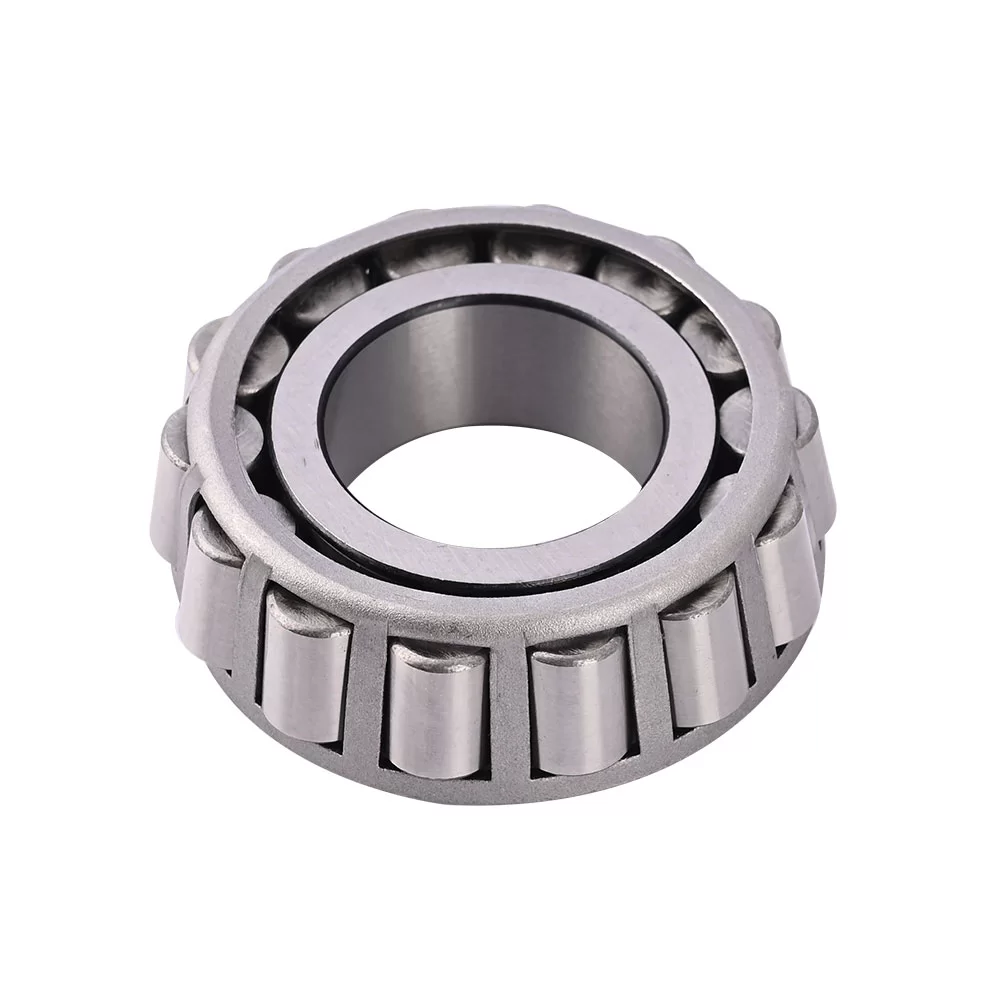
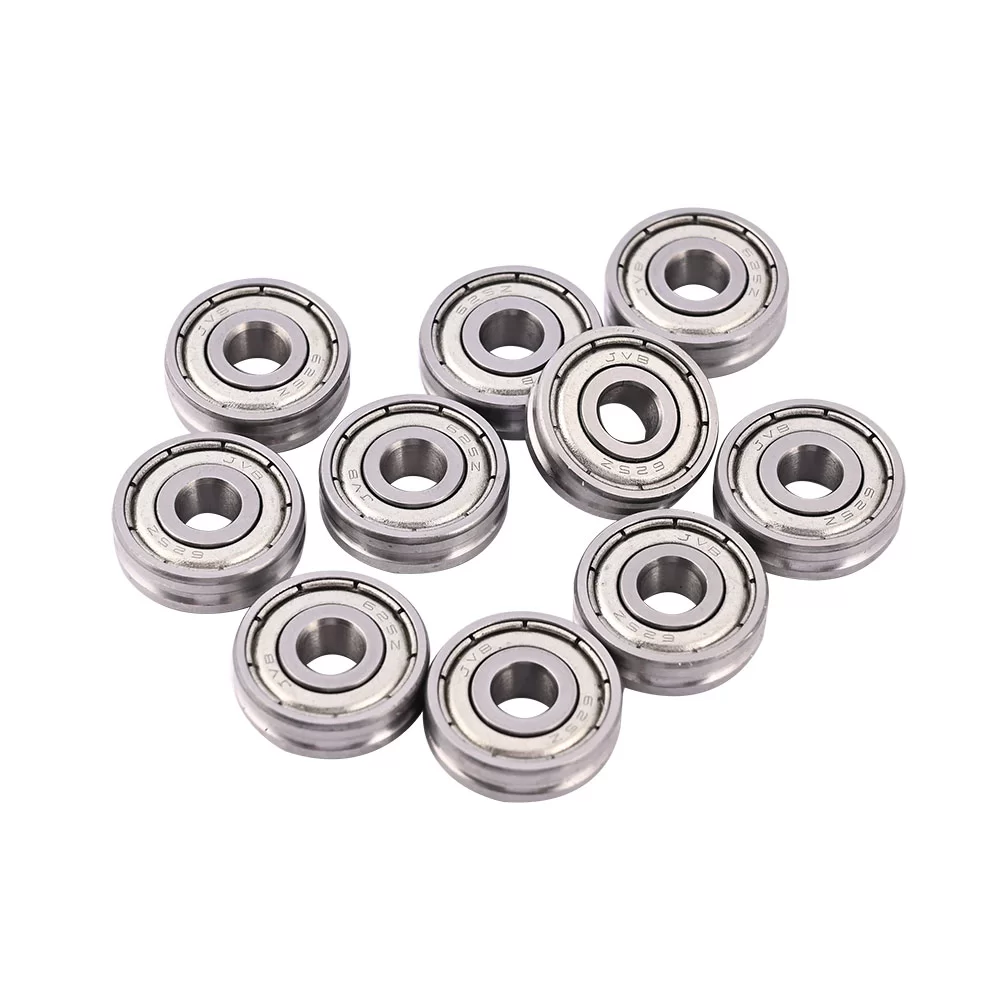
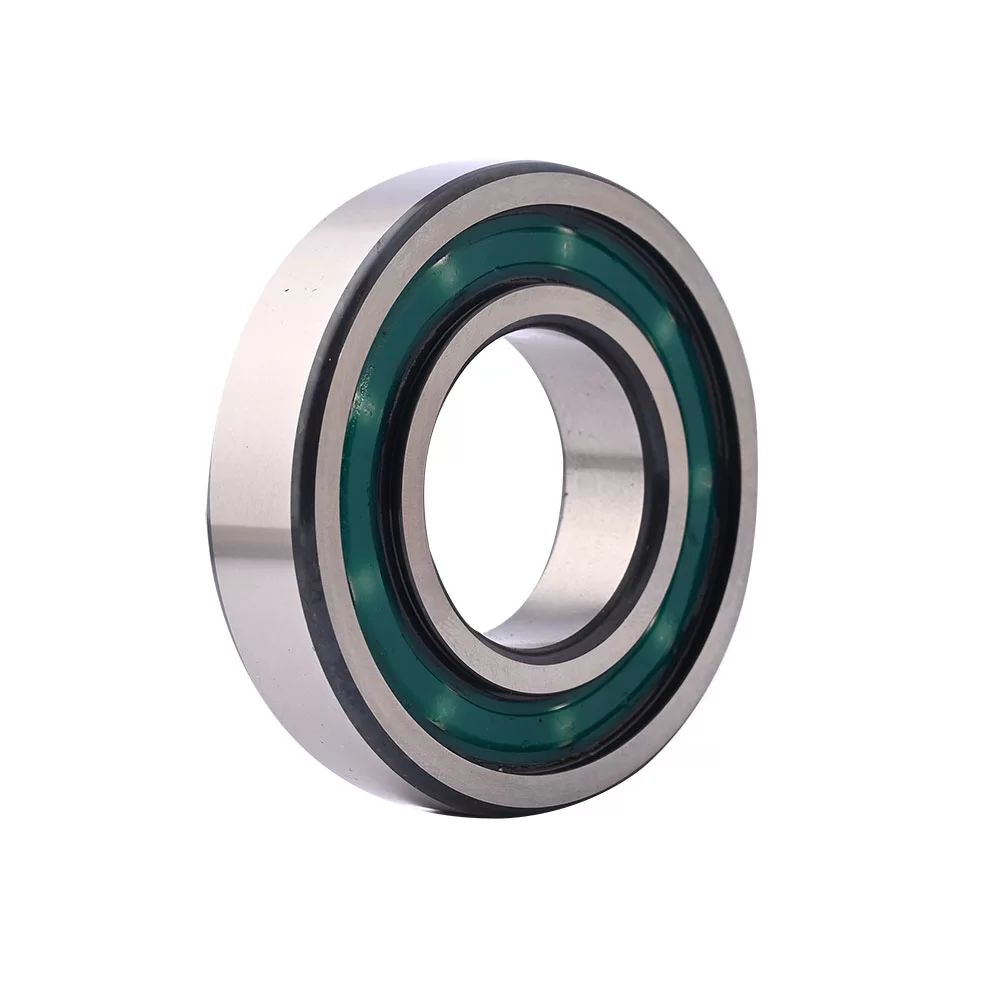
A UC bearing typically consists of a spherical outer ring, a cylindrical inner ring, and ball bearings held between the two. The outer ring is often made of cast iron or steel and features a crown-shaped outer surface, hence the name "universal crown." This spherical design allows for self-aligning properties, accommodating slight misalignments between the shaft and the housing. This is a significant advantage over other bearing types, reducing stress and extending bearing life. The inner ring is usually pressed onto the shaft, providing a secure and stable connection. Hebei Bearings offers a wide range of UC bearings to suit diverse industrial applications.
Key Benefits: Self-aligning capability, easy mounting, cost-effective, wide range of sizes and configurations.
Types of UC Bearings: Understanding the Variations
UC bearings come in several variations to suit different load capacities, speed requirements, and environmental conditions. Some common types include:
- Solid Base UC Bearings: These have a solid, one-piece base, providing a rigid and stable mounting solution.
- Flange UC Bearings: These feature a flange on the outer ring, allowing for easy mounting to flat surfaces.
- Take-Up UC Bearings: Designed for applications where adjustments are needed to maintain proper belt tension or shaft alignment.
- Square D UC Bearings: Often used with square housings for conveyor systems and agricultural equipment.
The choice of bearing type depends on the specific application requirements. Consider the load type (radial, axial, or combined), the operating speed, and the environment when selecting a UC bearing.
Choosing the Right Type:
• Solid Base: For rigid mounting.
• Flange: For easy mounting to flat surfaces.
• Take-Up: For adjustable tension applications.
UC Bearing Applications: Where They Excel
UC bearings are incredibly versatile and find applications in a wide range of industries. Some common uses include:
- Agricultural Equipment: Tractors, harvesters, and other farm machinery rely on UC bearings for reliable operation.
- Conveyor Systems: UC bearings support rollers and pulleys in conveyor systems, ensuring smooth and efficient material handling.
- Automotive Applications: Used in various components, including alternators, starters, and water pumps.
- Industrial Machinery: A staple in pumps, fans, compressors, and other industrial equipment.
- Mining Equipment: Applications in crushers, screens, and other heavy-duty mining machinery.
The self-aligning capability and relatively low cost make UC bearings an ideal choice for these demanding applications.
Selecting the Right UC Bearing: Key Considerations
Choosing the right UC bearing is crucial for optimal performance and longevity. Here are some key factors to consider:
- Load Capacity: Ensure the bearing can handle the expected radial and axial loads.
- Speed Requirements: Select a bearing designed for the operating speed of your application.
- Operating Environment: Consider factors like temperature, humidity, and exposure to contaminants.
- Shaft Size: Choose a bearing with the correct inner diameter to fit your shaft.
- Housing Compatibility: Ensure the bearing is compatible with your existing housing or select a suitable housing.
Consulting with a bearing specialist at Hebei Bearings can help you select the best bearing for your specific application.

Conclusion: The Reliability of UC Bearings
UC bearings offer a robust, cost-effective, and versatile solution for a wide range of applications. Their self-aligning capability, ease of installation, and wide availability make them a popular choice for engineers and maintenance professionals. By understanding the different types and key considerations for selection, you can ensure optimal performance and longevity. Trust Hebei Bearings for quality UC bearings and expert support.
Frequently Asked Questions (FAQs)
What is the typical lifespan of a UC bearing?
The lifespan of a UC bearing varies depending on several factors, including the load, speed, operating environment, and lubrication. With proper installation and maintenance, a UC bearing can last for several years. Regular inspections for wear, corrosion, and damage are essential. Signs of failure include excessive noise, vibration, and increased temperature. Replacing a bearing proactively can prevent costly downtime. Generally, expect a lifespan between 5,000 to 20,000 hours of operation under normal conditions.
How important is lubrication for UC bearings?
Lubrication is critical for the performance and lifespan of UC bearings. It reduces friction, minimizes wear, and dissipates heat. The type of lubricant should be chosen based on the operating conditions, including temperature, speed, and load. Common lubricants include grease and oil. Regular relubrication is essential to maintain adequate lubrication levels. Over-lubrication can also be detrimental, leading to contamination and increased friction. Follow the manufacturer's recommendations for lubrication intervals and types.
Can UC bearings handle misalignment?
Yes, one of the key advantages of UC bearings is their self-aligning capability. The spherical outer ring allows the bearing to accommodate a certain degree of misalignment between the shaft and the housing. This reduces stress on the bearing and extends its life. However, excessive misalignment can still cause premature failure. It's important to ensure that the alignment is within the bearing's specified limits.
Where can I find high-quality UC bearings?
For reliable and high-quality UC bearings, Hebei Bearings is a trusted supplier. We offer a comprehensive range of UC bearings in various sizes, types, and materials to meet your specific needs. Our expert team can assist you with selecting the right bearing for your application and provide technical support.