
Comprehensive Guide to Pillow Block Bearings and Their Diverse Applications
Understanding Pillow Block Bearings: A Comprehensive Guide
Pillow block bearings are integral components in a vast array of mechanical systems, providing both support and rotational movement. They’re widely used across numerous industries, from manufacturing and agriculture to transportation and even home appliances. This article will explore the functionalities, types, applications, and selection criteria for pillow block bearings, providing a comprehensive overview for engineers, maintenance personnel, and anyone seeking a deeper understanding of these essential mechanical elements. Understanding their strengths and weaknesses is vital for ensuring optimal performance and longevity of your machinery.
What Exactly is a Pillow Block Bearing?
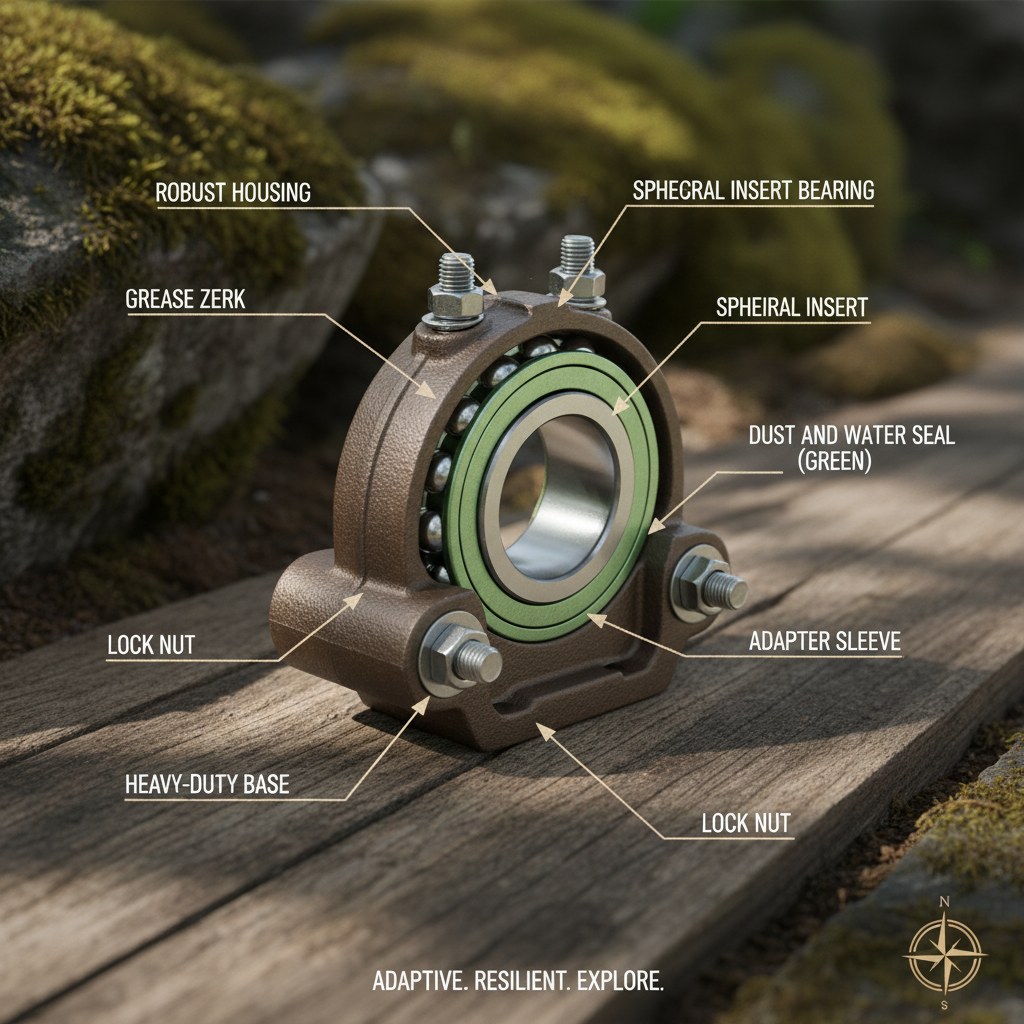
A pillow block bearing, also known as a flange unit, is a self-contained bearing assembly. It consists of a bearing pressed into a housing, which typically features flanges that allow for easy mounting to a machine frame. The bearing itself can be either a ball bearing or a roller bearing, depending on the load and speed requirements of the application. The housing provides a robust enclosure for the bearing, protecting it from contamination and providing structural support. They simplify installation and alignment compared to traditional bearing setups. Hebei Bearings offers a comprehensive range of pillow block bearings to meet diverse industrial needs.
Key Benefits: Simplified installation, reduced maintenance, improved alignment, and cost-effectiveness.
Types of Pillow Block Bearings
Pillow block bearings come in various types, each designed for specific applications. Common types include:
- Cast Iron Pillow Blocks: Durable and cost-effective, suitable for moderate loads and speeds.
- Stainless Steel Pillow Blocks: Corrosion-resistant, ideal for food processing, chemical, and marine environments.
- Plastic Pillow Blocks: Lightweight and corrosion-resistant, often used in lighter-duty applications.
- Wide Inner Race Pillow Blocks: Provide increased support for heavy loads and shock loads.
- Take-Up Pillow Blocks: Used in conveyor systems to maintain tension on the belt or chain.
The selection of the right type depends on factors such as load capacity, speed requirements, environmental conditions, and budget.
Key Considerations When Choosing:
• Load Capacity: Select a bearing that can handle the maximum expected load.
• Speed Requirements: Consider the rotational speed of the application.
• Environmental Conditions: Choose a bearing material that is resistant to corrosion and other environmental factors.
• Budget: Balance performance requirements with cost considerations.
Pillow Block Bearing Applications: A Wide Spectrum
The versatility of pillow block bearings makes them suitable for a multitude of applications. Some common examples include:
- Conveyor Systems: Supporting rollers and ensuring smooth material handling.
- Agricultural Machinery: Used in combines, tractors, and other farming equipment.
- Packaging Machinery: Providing reliable rotation in packaging lines.
- Material Handling Equipment: Supporting wheels and rollers in forklifts and pallet jacks.
- Ventilation Fans: Ensuring smooth and efficient fan operation.
Due to their ability to handle radial loads effectively, pillow block bearings are crucial for maintaining efficient and reliable operation across these industries.
Maintaining Pillow Block Bearings for Longevity
Proper maintenance is crucial for extending the lifespan and reliability of pillow block bearings. Regular lubrication is essential to reduce friction and wear. The frequency of lubrication depends on the operating conditions and the bearing type. Inspection for signs of wear, damage, or contamination should be conducted regularly. Tightening loose mounting bolts and ensuring proper alignment can also prevent premature failure. Hebei Bearings provides detailed maintenance guidelines and support for all its products.

Conclusion: Selecting the Right Pillow Block Bearing for Your Needs
Invest in Quality and Reliability
Choosing the right pillow block bearing is essential for ensuring the smooth and efficient operation of your machinery. By considering the factors discussed in this article – type, application, maintenance – you can select a bearing that meets your specific needs and provides long-lasting performance. Hebei Bearings is dedicated to providing high-quality bearings and expert support to help you optimize your operations.
Frequently Asked Questions (FAQs)
What is the difference between a ball bearing and a roller bearing in a pillow block?
Ball bearings are generally better suited for high-speed applications and can handle radial and thrust loads. Roller bearings, on the other hand, are designed to handle heavier radial loads and shock loads, but typically have a lower speed limit. The choice depends on the specific requirements of the application. If high speed and lighter loads are paramount, a ball bearing pillow block is suitable. For heavy-duty applications with significant radial loads, a roller bearing pillow block is the better choice.
How often should I lubricate my pillow block bearings?
The lubrication frequency depends on several factors, including operating conditions (temperature, speed, load), the type of lubricant used, and the bearing type. As a general guideline, relubricate every 3-6 months under normal conditions. However, in harsh environments or with heavy loads, more frequent lubrication may be necessary. Always follow the lubricant manufacturer’s recommendations and the bearing manufacturer’s guidelines.
What should I do if a pillow block bearing is making noise?
Noise from a pillow block bearing often indicates a problem, such as insufficient lubrication, contamination, or bearing wear. First, check the lubrication level and relubricate if necessary. If the noise persists, inspect the bearing for signs of damage or contamination. If the bearing is damaged, it should be replaced. Additionally, check the mounting bolts for tightness and ensure proper alignment. Ignoring the noise can lead to catastrophic failure.
Are stainless steel pillow block bearings worth the extra cost?
Stainless steel pillow block bearings are more expensive than their cast iron counterparts, but they offer superior corrosion resistance. This makes them ideal for applications in harsh environments, such as food processing, chemical plants, and marine environments, where exposure to moisture, chemicals, or corrosive substances is common. If corrosion is a concern, the investment in stainless steel bearings is well worth the cost to prevent premature failure and maintain reliable operation.