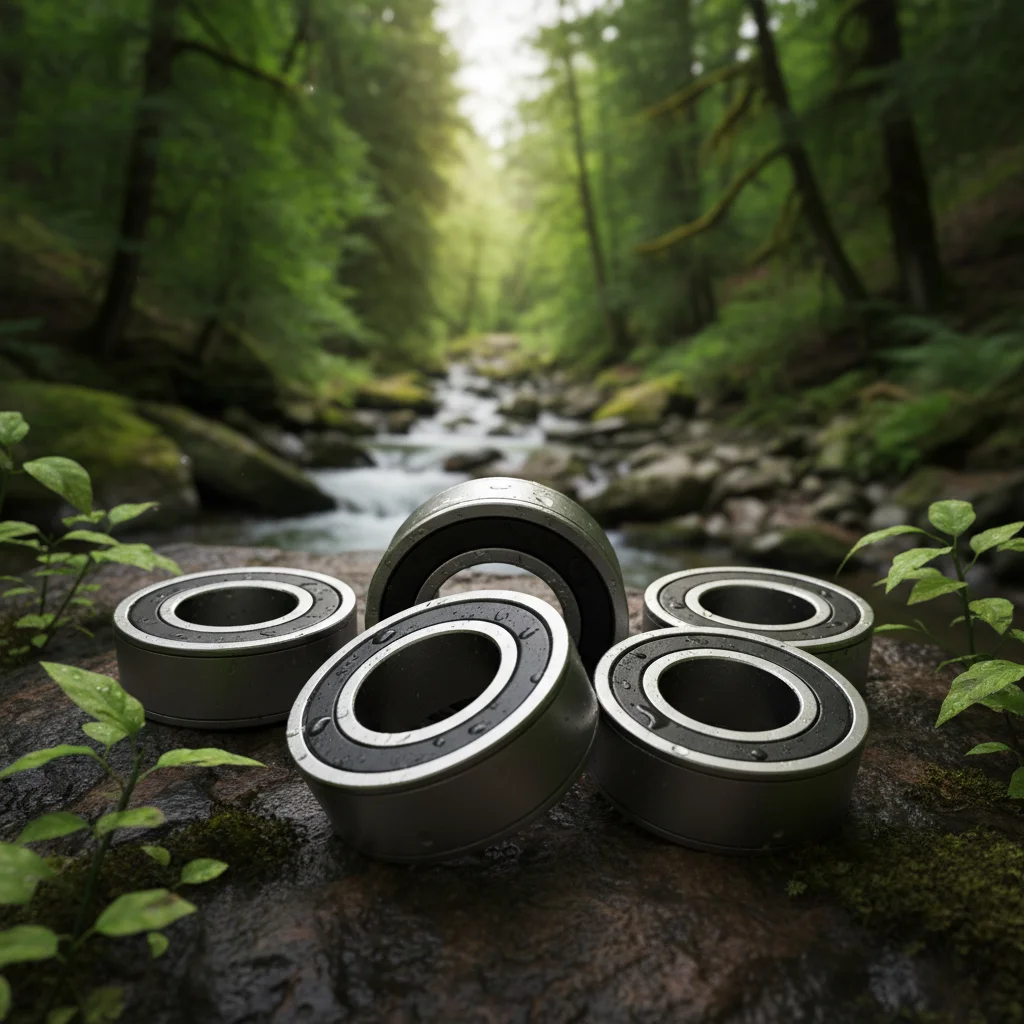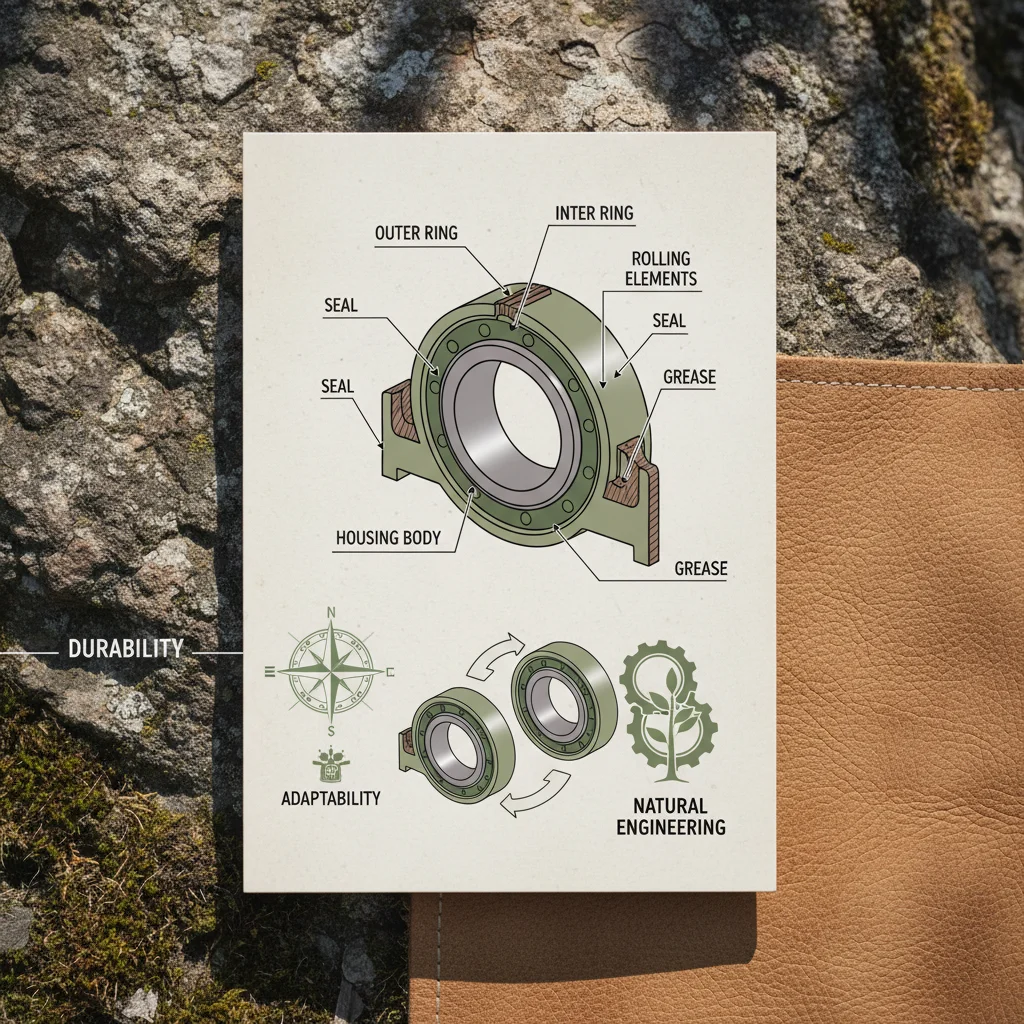

The humble bearing is a foundational component of modern civilization, often unseen yet crucial to the operation of countless machines and systems. From the engines powering global transportation to the delicate instruments used in medical procedures, bearings enable smooth, efficient rotary or linear motion. Understanding their principles, applications, and ongoing innovations is essential for engineers, manufacturers, and anyone involved in the design, maintenance, or operation of mechanical equipment. The global bearing market is substantial, driven by industrial growth, automotive production, and the increasing demand for automation.
The relevance of bearing technology extends far beyond industrial settings. They are integral to renewable energy systems like wind turbines, ensuring reliable power generation. In aerospace, specialized bearings withstand extreme temperatures and stresses, enabling safe and efficient flight. Even in everyday appliances, bearings contribute to quiet operation and extended lifespan. The United Nations Sustainable Development Goals (SDGs) indirectly benefit from advancements in bearing technology, as efficient machinery and sustainable infrastructure rely heavily on their performance.
Challenges related to bearing failure, maintenance costs, and environmental impact are driving innovation in materials, design, and monitoring technologies. The pursuit of more durable, efficient, and sustainable bearings is a continuous process, crucial for supporting a growing global economy and fostering technological advancements. Efficient bearing systems minimize energy waste and reduce the need for frequent replacements, aligning with broader sustainability goals.
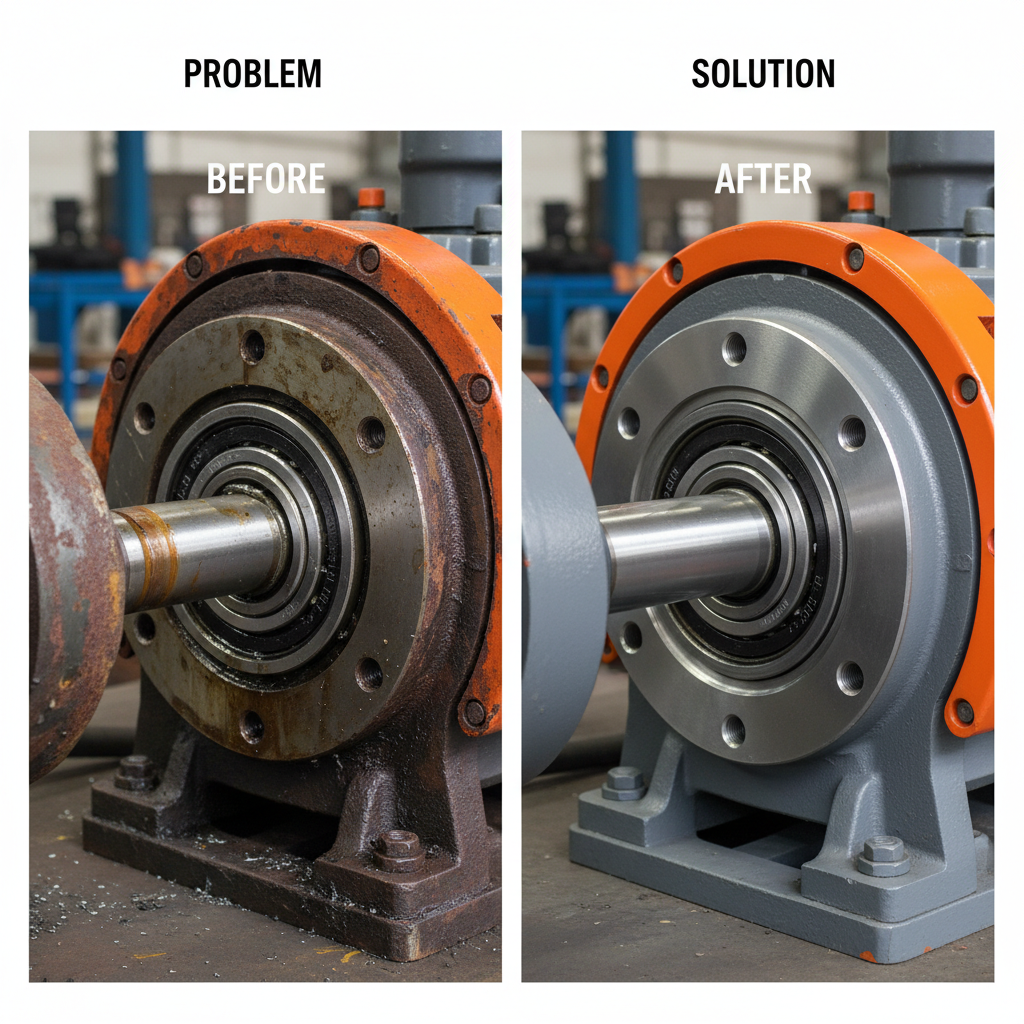
At its core, a bearing is a machine element designed to constrain relative motion between two parts, typically reducing friction and allowing for smooth rotation or linear movement. This seemingly simple function is critical in a vast array of applications, from reducing wear and tear on rotating machinery to enabling precise positioning in robotics. Without efficient bearings, many modern technologies would be impractical or impossible.
The effectiveness of a bearing isn't solely defined by its ability to reduce friction; it also encompasses its load-carrying capacity, durability, precision, and noise levels. Different types of bearings – ball bearings, roller bearings, needle bearings, and more – are tailored to specific applications and operating conditions, each offering a unique balance of these characteristics.
The global bearing industry is a multi-billion dollar market, deeply intertwined with the health of key sectors like automotive, aerospace, manufacturing, and energy. Asia-Pacific represents the largest market share, driven by rapid industrialization and the growth of automotive production in countries like China and India. According to Statista, the global bearing market was valued at approximately $85 billion in 2023 and is projected to reach over $100 billion by 2028.
The automotive industry is a significant consumer of bearings, utilizing them in wheel hubs, engines, transmissions, and various auxiliary systems. The increasing demand for electric vehicles (EVs) is creating new opportunities for bearing manufacturers, as EVs often require specialized bearings for their motors and gearboxes. Furthermore, the push for lightweighting in automotive design demands bearings with reduced size and weight without compromising performance.
A major challenge within the industry is the increasing demand for higher precision and longer lifespans, especially in demanding applications like aerospace and medical equipment. Bearing failure can lead to significant downtime and costly repairs, highlighting the importance of robust design, advanced materials, and effective predictive maintenance strategies.
In the simplest terms, a bearing is a component that facilitates motion between two parts. This motion can be rotary (as in a wheel hub) or linear (as in a sliding drawer). The primary function is to reduce friction, which minimizes energy loss and wear. Different designs achieve this reduction in friction through various methods, such as rolling elements (balls or rollers) or a fluid film.
The connection between bearing technology and modern industry is undeniable. From the mass production of consumer goods to the operation of complex industrial machinery, bearings are essential for maintaining efficiency and reliability. In humanitarian contexts, bearings play a role in ensuring the functionality of water pumps, medical equipment, and transportation vehicles used in disaster relief and development efforts.
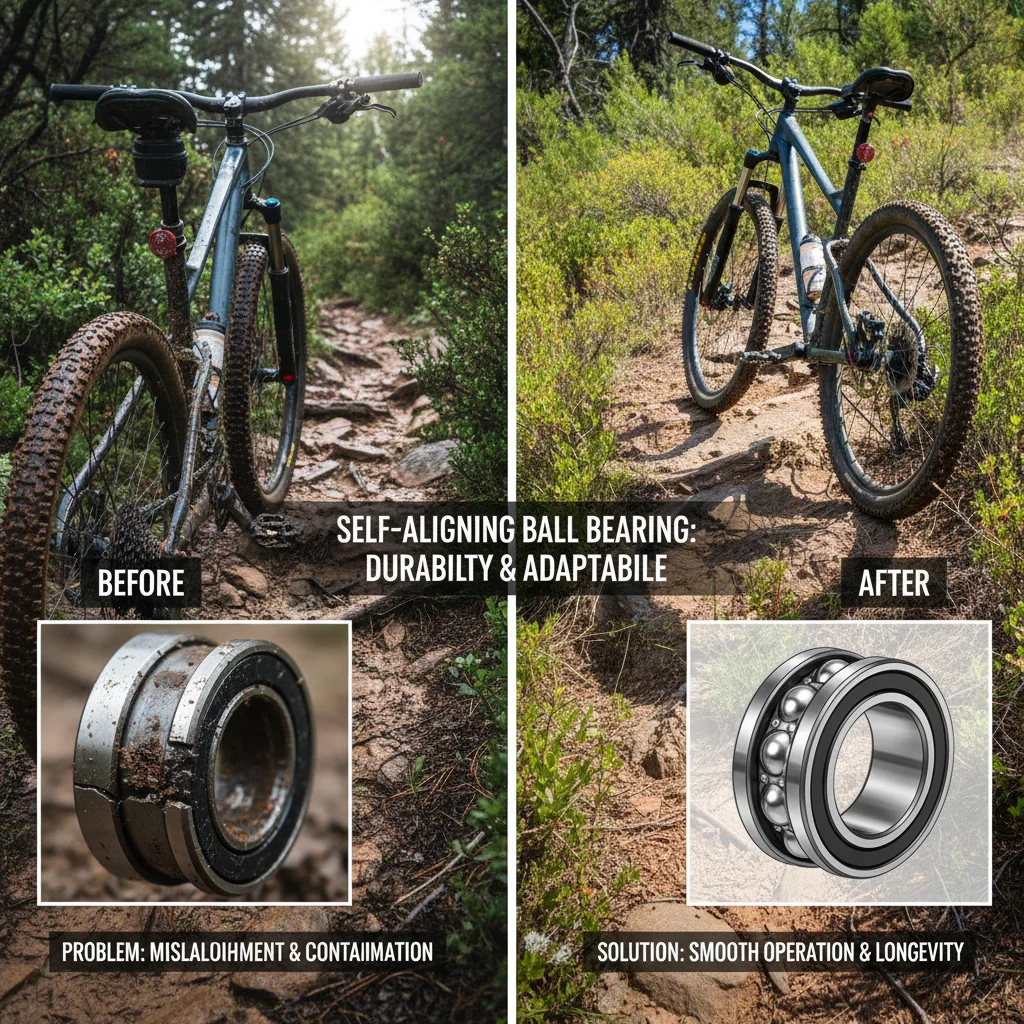
The applications are incredibly diverse. Consider wind turbines: large, robust bearings are critical for rotating the massive blades and converting wind energy into electricity. Similarly, in medical devices like MRI scanners, precision bearings ensure accurate and stable image acquisition. Even in seemingly simple applications, like bicycle wheels, bearings contribute significantly to performance and rider comfort.
Durability is paramount in bearing performance. A bearing's ability to withstand repeated stress, extreme temperatures, and corrosive environments directly impacts its lifespan and reliability. Materials selection, heat treatment, and lubrication play crucial roles in enhancing durability.
Load capacity refers to the maximum force a bearing can handle without experiencing premature failure. Different bearing types are designed to handle different types of loads – radial loads, axial loads, or a combination of both. Proper load calculation and bearing selection are essential for ensuring optimal performance.
In the automotive industry, bearings are fundamental to wheel rotation, transmission efficiency, and engine performance. Globally, automotive manufacturing hubs in Germany, Japan, and the United States heavily rely on high-quality bearing suppliers.
The aerospace sector demands extreme precision and reliability. Bearings used in aircraft engines and control systems must withstand immense stresses and temperatures. Companies like Boeing and Airbus partner with bearing manufacturers to ensure the safety and efficiency of their aircraft.
Utilizing high-quality bearings translates directly into cost savings through reduced maintenance, minimized downtime, and extended equipment lifespan. The initial investment in superior bearings is often offset by the long-term benefits of increased reliability and efficiency.
Sustainability is increasingly important. By reducing friction, bearings contribute to energy efficiency, lowering fuel consumption in vehicles and reducing electricity usage in industrial machinery. Selecting bearings made from sustainable materials and employing responsible manufacturing practices further enhances their environmental profile.
Beyond the tangible benefits, reliable bearings contribute to safety and peace of mind. In critical applications, such as medical equipment and transportation systems, bearing failure can have severe consequences. Investing in quality bearings ensures operational safety and minimizes risk.
The development of self-lubricating bearings is a significant trend, aiming to eliminate the need for external lubrication and reduce maintenance requirements. These bearings often utilize advanced materials like polymers and solid lubricants.
Digital transformation is impacting the bearing industry through the integration of sensors and data analytics. Smart bearings equipped with sensors can monitor temperature, vibration, and other parameters, providing valuable insights for predictive maintenance and optimizing performance.
Advancements in materials science are leading to the development of new bearing materials with improved strength, wear resistance, and corrosion resistance. Ceramic bearings, for example, offer superior performance in high-temperature and corrosive environments.
| Challenge | Impact on bearing Performance | Proposed Solution | Implementation Difficulty (1-10) |
|---|---|---|---|
| High Friction | Reduced Efficiency, Increased Wear | Advanced Lubricants, Surface Coatings | 4 |
| Corrosion | Decreased Lifespan, Structural Failure | Corrosion-Resistant Materials, Protective Seals | 6 |
| Excessive Vibration | Premature Wear, Noise | Precision Manufacturing, Dynamic Balancing | 5 |
| High Temperature | Lubricant Degradation, Material Weakening | High-Temperature Lubricants, Ceramic Bearings | 7 |
| Inadequate Lubrication | Increased Friction, Wear, and Heat | Automated Lubrication Systems, Improved Seal Designs | 3 |
| Contamination | Abrasive Wear, Reduced Lifespan | Effective Sealing, Filtration Systems | 4 |
There are several main types of bearings, including ball bearings, roller bearings (cylindrical, tapered, spherical, needle), and journal bearings. Ball bearings are excellent for high-speed, low-load applications, while roller bearings can handle heavier loads. Journal bearings are suitable for high-load, low-speed applications. Choosing the right type depends on the specific load, speed, operating environment, and required precision of the application.
Lubrication frequency depends heavily on the bearing type, load, speed, temperature, and operating environment. Generally, bearings should be lubricated according to the manufacturer’s recommendations. The best lubricant depends on the specific application; options include grease, oil, solid lubricants, and even gas lubricants. Consider factors like viscosity, temperature range, and compatibility with bearing materials when selecting a lubricant.
Common causes of bearing failure include improper lubrication, contamination, excessive loads, misalignment, and fatigue. Prevention involves regular lubrication, proper sealing to prevent contamination, accurate load calculations, correct alignment during installation, and choosing bearings suitable for the application. Predictive maintenance techniques like vibration analysis can also help identify potential failures before they occur.
Selecting the right bearing requires careful consideration of several factors. These include the load type and magnitude, operating speed, temperature range, environmental conditions, and desired lifespan. Consult bearing manufacturers’ catalogs and technical specifications, and consider using bearing selection software or seeking expert advice to ensure optimal performance and reliability.
Ceramic bearings offer several advantages over steel bearings, including lower density, higher hardness, better corrosion resistance, and the ability to operate at higher temperatures. They are often used in high-speed, high-temperature, or corrosive environments where steel bearings would fail. However, ceramic bearings are generally more expensive than steel bearings and may have lower load-carrying capacity.
Bearing seals play a critical role in protecting the bearing from contamination (dust, dirt, moisture) and retaining lubricant. Effective seals prevent premature wear, corrosion, and failure. Different types of seals are available, including contact seals, labyrinth seals, and non-contact seals, each offering varying levels of protection and friction. Selecting the appropriate seal for the application is essential for maximizing bearing lifespan and performance.
In conclusion, the bearing is far more than a simple mechanical component. It is a critical enabler of modern technology, driving efficiency, reliability, and innovation across a vast range of industries. Understanding the principles of bearing design, selection, and maintenance is crucial for engineers, manufacturers, and anyone involved in the operation of mechanical systems. From reducing friction to supporting heavy loads, bearings are fundamental to the functioning of our world.
Looking ahead, continued advancements in materials science, lubrication technology, and sensor integration will lead to even more efficient, durable, and intelligent bearings. The pursuit of sustainable bearing solutions, minimizing environmental impact and maximizing energy efficiency, will be a key focus for future development. For expert bearing solutions and a comprehensive range of products, visit our website today: www.hebeibearings.com.
If you are interested in our products, you can choose to leave your information here, and we will be in touch with you shortly.