Conveyor roller bearing inserts are critical components in a vast array of industrial applications, from material handling systems to automated manufacturing lines. Their primary function is to provide low-friction support for conveyor rollers, enabling the smooth and efficient movement of goods. Understanding their design, materials, and applications is crucial for optimizing conveyor system performance, minimizing downtime, and ensuring operational safety. These inserts aren’t just about mechanics; they impact productivity and cost-effectiveness across diverse sectors.
Globally, the demand for efficient logistics and material handling is steadily increasing, driven by factors like e-commerce growth, expanding industrialization in emerging economies, and the need for streamlined supply chains. This escalating demand directly translates into a greater need for reliable and durable conveyor systems. Therefore, the quality and performance of components like conveyor roller bearing inserts become paramount. According to reports from the World Bank, global trade volume continues to rise, putting increased pressure on logistics infrastructure.
The effective operation of these systems depends heavily on the quality of these seemingly small but essential components. A failure in a conveyor roller bearing insert can lead to costly production delays, potential safety hazards, and increased maintenance expenses. Investing in high-quality inserts and understanding their optimal application is, therefore, a strategic advantage for businesses across various industries.
Introduction to Conveyor Roller Bearing Inserts
Conveyor roller bearing inserts are the unsung heroes of countless industrial processes, providing the essential support that allows materials to move efficiently. They are designed to minimize friction, withstand substantial loads, and operate reliably over extended periods. Choosing the correct insert for a specific application is vital, as it directly affects system performance and lifespan. conveyor roller bearing inserts are designed for longevity and ease of maintenance.
These inserts are not merely mechanical components; they are integral to maintaining productivity and reducing operational costs. Their proper selection and maintenance contribute to safer working environments and less disruptive downtime. The ongoing development of new materials and designs continues to push the boundaries of performance and durability in this critical field.
Defining Conveyor Roller Bearing Inserts
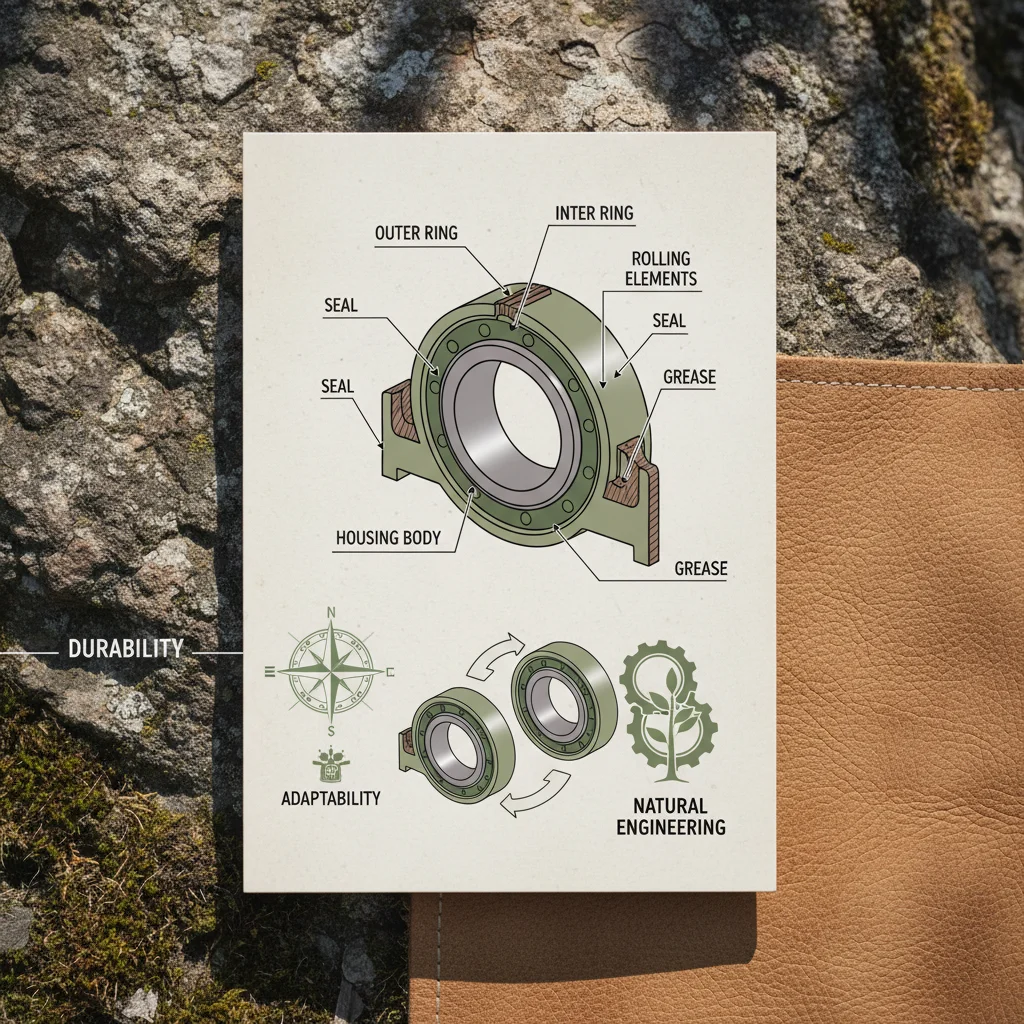
Conveyor roller bearing inserts are essentially self-lubricating or lubricated bushings designed to fit snugly into conveyor roller ends. They house bearings that allow the roller to rotate freely around its axle. The insert itself typically consists of an outer shell, often made of steel or plastic, and an inner bearing element, commonly composed of materials like nylon, polyacetal, or specialized metallic alloys.
Their connection to modern industry is undeniable. Without these inserts, large-scale material handling would be significantly slower, less efficient, and more prone to breakdowns. From parcel delivery systems to coal-fired power plants, these components are foundational to maintaining smooth operational flow. They underpin a substantial portion of global logistics.
Understanding that the specific composition and design of an insert are tailored to the load capacity, speed requirements, and environmental conditions of its intended application is key. This is why a one-size-fits-all approach doesn't work and selecting the correct material is key to efficiency and longevity.
Key Factors Influencing Performance
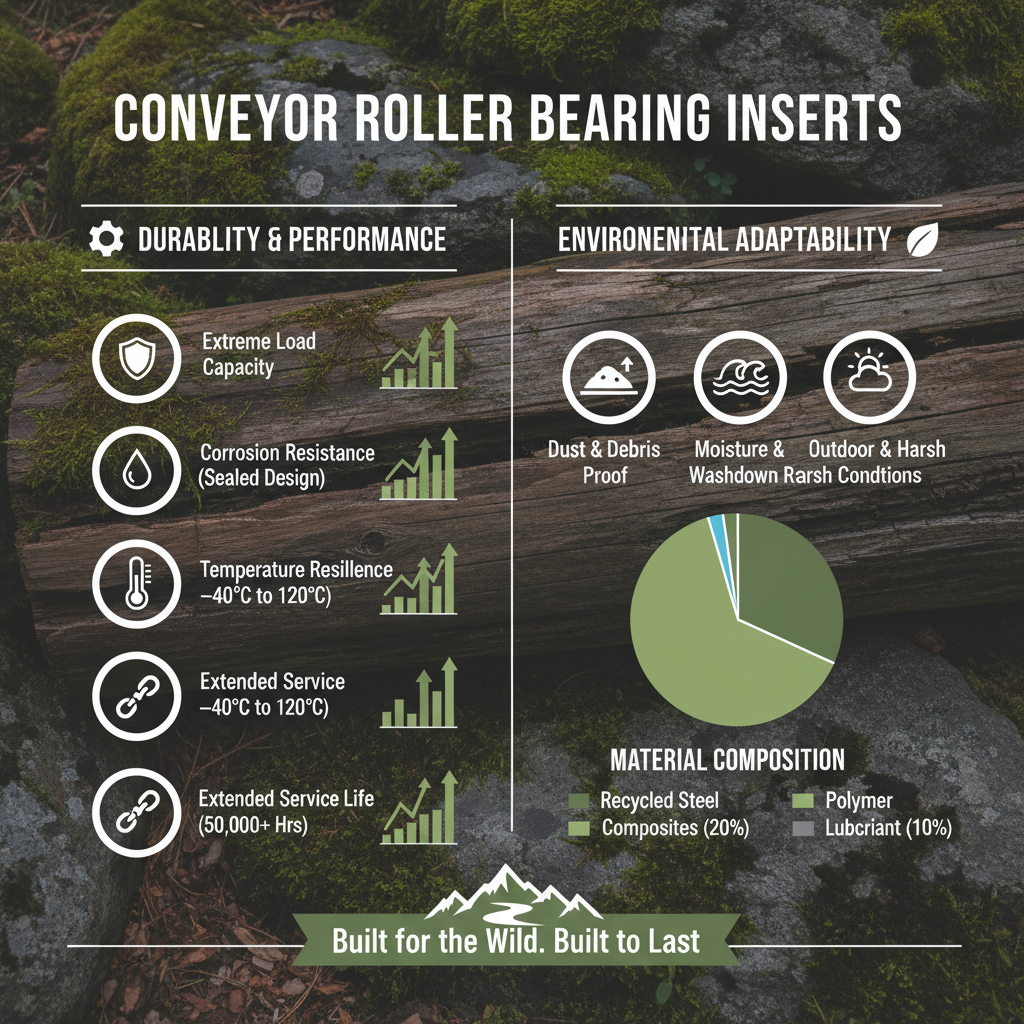
Several key factors determine the performance and longevity of conveyor roller bearing inserts. Durability is paramount, with the ability to withstand continuous loads, impacts, and abrasive materials being critical. The material selection directly impacts this, with options ranging from robust steel alloys to self-lubricating polymers.
Load capacity is another crucial aspect. Inserts must be able to support the weight of the conveyor rollers and the materials they carry without deformation or failure. This is especially important in heavy-duty applications like mining or bulk material handling. Correct sizing and material grade are crucial to avoiding premature wear and tear.
Friction coefficient plays a significant role in energy efficiency. Lower friction translates to reduced power consumption and less wear on both the inserts and the conveyor system as a whole. Self-lubricating materials are often favored to minimize the need for external lubrication and reduce maintenance requirements.
Practical Applications & Industries Served
Conveyor roller bearing inserts are used across an incredibly diverse range of industries. In the logistics and warehousing sector, they are essential for sortation systems, conveyor belts in distribution centers, and automated packaging lines. These inserts facilitate the rapid and accurate movement of parcels and goods.
The mining industry relies heavily on these inserts for conveying ore, coal, and other bulk materials. Their robust construction and ability to withstand harsh conditions are critical in these demanding environments. Similarly, the agricultural sector utilizes conveyor systems equipped with these inserts for handling grains, fertilizers, and harvested crops.
In manufacturing plants, conveyor roller bearing inserts support assembly lines, material transfer systems, and automated production processes. From automotive assembly to food processing, the smooth and reliable operation of these systems is vital for maintaining production efficiency. These are also commonly used in airport baggage handling systems worldwide.
Conveyor Roller Bearing Insert Performance Comparison
Advantages & Long-Term Value Proposition
The advantages of utilizing high-quality conveyor roller bearing inserts extend far beyond simply keeping a conveyor system running. Reduced maintenance requirements translate directly into cost savings, minimizing downtime and labor expenses. The reliability of these inserts enhances overall system efficiency, boosting productivity and throughput. conveyor roller bearing inserts are designed for minimal maintenance.
The long-term value lies in the enhanced safety and reduced risk of accidents. Reliable operation prevents unexpected stoppages and potential hazards associated with malfunctioning equipment. Furthermore, selecting durable and environmentally friendly materials contributes to sustainable operations, minimizing the environmental impact.
Future Trends & Innovations
The future of conveyor roller bearing inserts is intertwined with advancements in materials science and automation. The development of self-lubricating polymers with even lower friction coefficients and increased wear resistance is a key area of innovation. Smart inserts equipped with sensors to monitor performance and predict potential failures are also gaining traction.
The integration of data analytics and IoT (Internet of Things) technologies will enable proactive maintenance and optimized performance. Remote monitoring and predictive maintenance will minimize downtime and extend the lifespan of conveyor systems. These advancements align with the broader trend towards Industry 4.0 and smart manufacturing.
Common Challenges & Effective Solutions
A common challenge is selecting the appropriate insert for a specific application, considering factors like load, speed, temperature, and environmental conditions. Incorrect selection can lead to premature failure and costly downtime. Collaborating with experienced bearing suppliers and conducting thorough application analysis is crucial.
Another challenge is dealing with contamination, such as dust, dirt, or corrosive substances. Implementing effective sealing solutions and choosing inserts made from corrosion-resistant materials can mitigate these issues. Regular inspection and lubrication are also essential for maintaining optimal performance.
Finally, ensuring proper installation and alignment is critical. Incorrect installation can cause excessive wear and reduce the lifespan of the inserts. Utilizing qualified technicians and following manufacturer's guidelines are vital for a successful outcome.
Summary of Challenges and Solutions for Conveyor Roller Bearing Inserts
| Challenge |
Impact on System |
Solution |
Preventative Measure |
| Incorrect Insert Selection |
Premature Failure, Downtime |
Application Analysis, Expert Consultation |
Detailed Load & Speed Assessment |
| Contamination (Dust, Dirt) |
Increased Wear, Reduced Lifespan |
Sealing Solutions, Corrosion-Resistant Materials |
Regular Cleaning & Inspection |
| Corrosion |
Component Degradation, System Failure |
Stainless Steel or Polymer Inserts |
Protective Coatings |
| Improper Installation |
Uneven Wear, System Instability |
Qualified Technicians, Manufacturer's Guidelines |
Alignment Checks |
| Lack of Lubrication |
Increased Friction, Heat Buildup |
Self-Lubricating Inserts or Regular Greasing |
Scheduled Maintenance |
| Excessive Load |
Insert Deformation, System Failure |
Higher Capacity Inserts, Load Distribution |
Load Monitoring |
FAQS
The lifespan of a conveyor roller bearing insert varies significantly depending on factors like load, speed, operating environment, and lubrication. Generally, a well-maintained insert can last between 2 to 5 years, but in demanding applications, it may require replacement more frequently. Regular inspections are crucial to identify potential issues before they lead to failure. Using quality materials and proper installation are key to longevity.
Common materials include steel, nylon, polyacetal, and various bronze alloys. Steel provides high load capacity and durability, while nylon and polyacetal offer self-lubricating properties and resistance to wear. Bronze alloys provide a good balance of strength and corrosion resistance. The best material depends on the specific application requirements and operating conditions.
Lubrication frequency depends on the insert material and operating conditions. Self-lubricating inserts typically require minimal or no lubrication, while metallic inserts require regular greasing. A general guideline is to lubricate metallic inserts every 3 to 6 months, or more frequently in harsh environments. Always follow the manufacturer's recommendations.
Signs of wear or failure include increased noise, vibration, excessive heat, and difficulty in rotation. If you notice any of these symptoms, it's crucial to inspect the insert and replace it if necessary. Ignoring these signs can lead to more significant damage and costly downtime.
Yes, but it's important to select inserts made from corrosion-resistant materials, such as stainless steel or specialized polymers. Additionally, protective coatings can be applied to further enhance corrosion resistance. Regular inspection and cleaning are also essential in corrosive environments.
Choosing a reputable supplier with a proven track record is crucial. Look for suppliers who offer a wide range of materials and sizes, provide technical support, and have a commitment to quality control. Hebei Bearings offers a comprehensive selection of high-quality conveyor roller bearing inserts designed to meet diverse industrial needs.
Conclusion
Conveyor roller bearing inserts are fundamental to the efficient and reliable operation of countless industrial systems. Understanding their crucial role, the factors influencing their performance, and the latest advancements in materials and technologies is vital for maximizing productivity, minimizing downtime, and ensuring safety. Investing in high-quality inserts and prioritizing preventative maintenance are essential for long-term cost savings and operational success.
As industries continue to evolve and embrace automation and sustainability, the demand for innovative and high-performing conveyor roller bearing inserts will only increase. By staying abreast of emerging trends and collaborating with experienced suppliers, businesses can optimize their conveyor systems and maintain a competitive edge. Visit our website at www.hebeibearings.com to explore our extensive range of conveyor roller bearing inserts and find the perfect solution for your application.