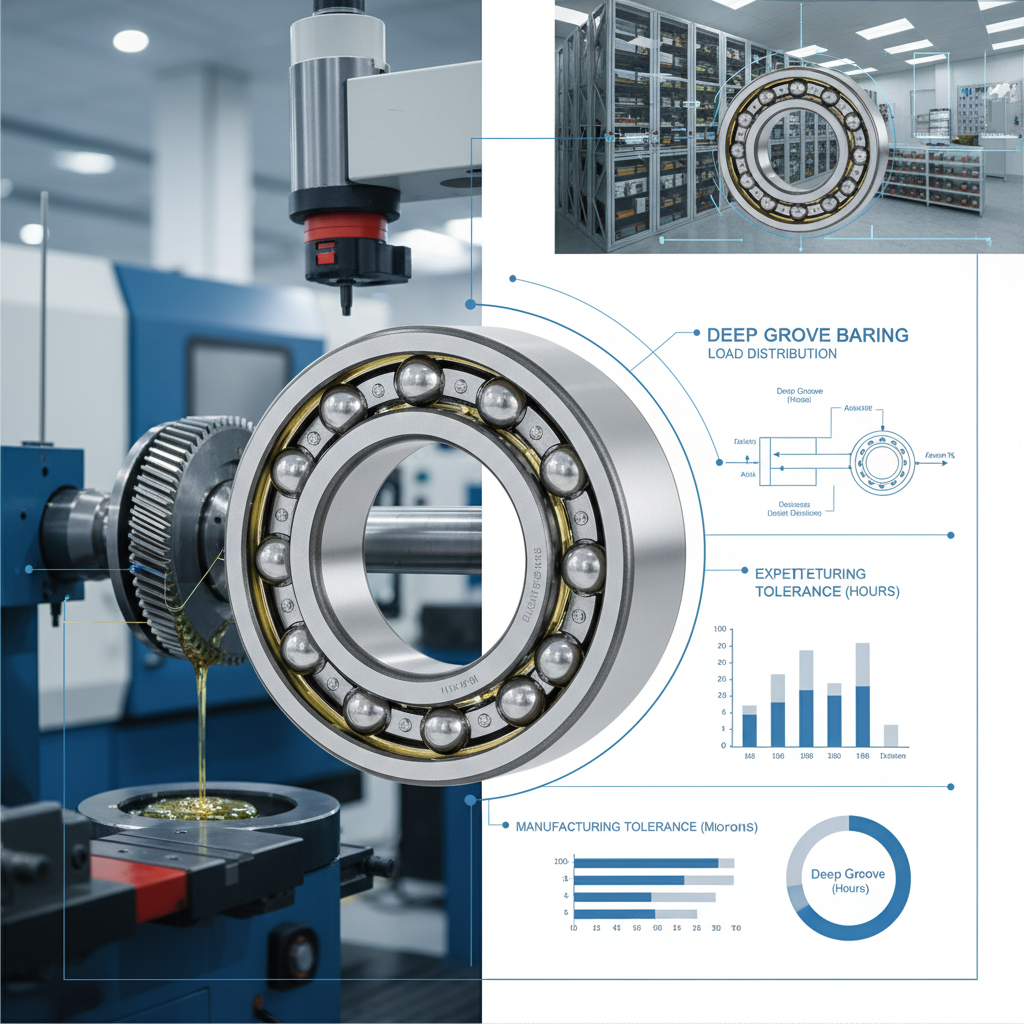
The deep ball groove bearing stands as one of the most indispensable components in modern mechanical engineering, providing the critical interface that allows rotating shafts to move with minimal friction. By utilizing a deep raceway to accommodate the rolling elements, these bearings offer a versatile solution for managing both radial and axial loads, making them the go-to choice for everything from small household appliances to complex industrial machinery.
Globally, the demand for high-precision rotation has surged as automation and robotics integrate deeper into the manufacturing sector. The efficiency of a production line often hinges on the reliability of its smallest parts; a single failure in a bearing can lead to catastrophic downtime. Consequently, understanding the nuances of bearing selection, lubrication, and maintenance is no longer just a technical requirement but a strategic business advantage for maintaining operational continuity.
Whether you are optimizing a high-speed motor or designing a heavy-duty conveyor system, the deep ball groove bearing provides the necessary balance of speed, load capacity, and cost-effectiveness. In this comprehensive guide, we will explore the technical architecture, global applications, and future innovations that continue to push the boundaries of rotational efficiency in the general equipment manufacturing industry.
Technical Anatomy of Deep Ball Groove Bearings
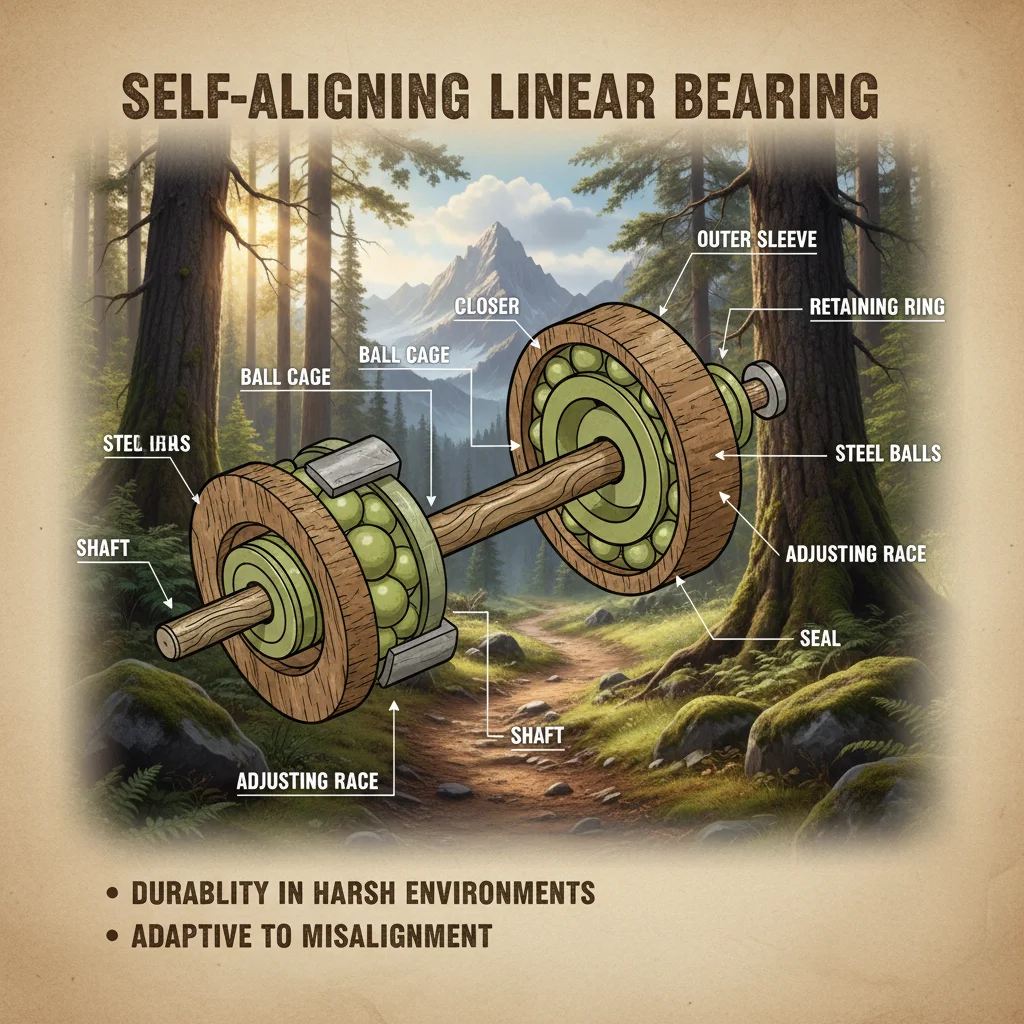
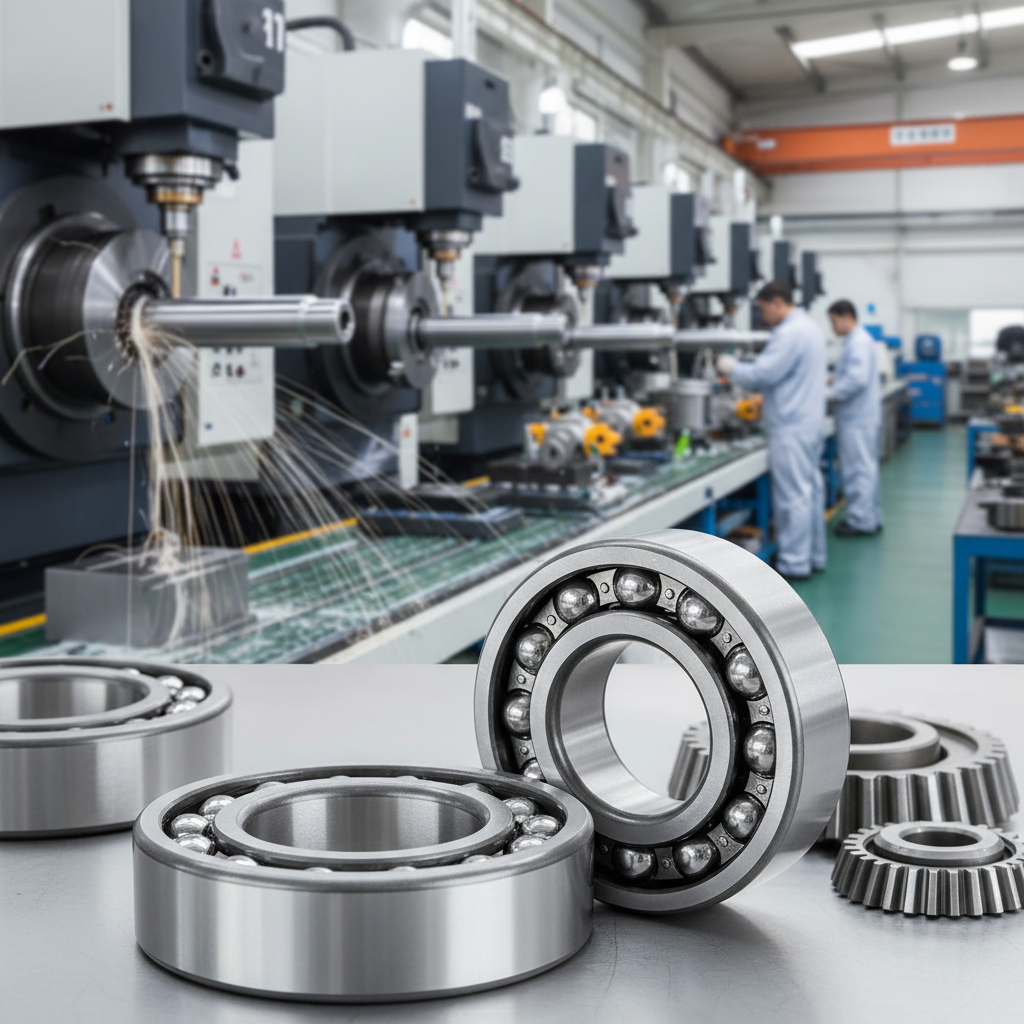
At its core, a deep ball groove bearing consists of an inner ring, an outer ring, a set of spherical rolling elements, and a cage that keeps the balls evenly spaced. The "deep groove" refers to the depth of the raceway, which allows the bearing to sustain significant radial loads while also accommodating a modest amount of axial thrust from both directions, providing a versatility that shallower designs lack.
The precision of these components is measured in microns, as any deviation in the sphericity of the balls or the curvature of the grooves can lead to vibration and premature wear. By utilizing high-chrome steel and advanced heat treatment, these bearings ensure a low coefficient of friction, which is essential for reducing energy consumption in high-RPM applications.
Global Industrial Context and Demand
On a global scale, the manufacturing of deep ball groove bearing units follows strict ISO standards to ensure interchangeability and reliability across international borders. As emerging economies in Southeast Asia and Latin America expand their industrial bases, the demand for standardized, high-quality bearings has surged, driving innovation in mass-production techniques that maintain aerospace-grade tolerances.
The challenge facing the industry today is the tension between cost-efficiency and extreme longevity. In the context of "Industry 4.0," there is a growing need for bearings that can operate under harsher conditions—such as extreme temperatures or corrosive environments—without requiring frequent human intervention. This has led to a shift toward hybrid materials and advanced sealing technologies.
Statistically, the bearing market is a primary indicator of global industrial health. When the production of these components increases, it typically signals a rise in the manufacture of electric vehicles, wind turbines, and automated warehouse systems, all of which rely heavily on the seamless rotation provided by deep groove ball bearing designs.
Core Performance Factors and Durability
The primary metric for evaluating a deep ball groove bearing is its dynamic load rating. This value determines how much weight the bearing can support while rotating over a specified lifespan, directly impacting the maintenance schedules of industrial plants.
Material selection plays a pivotal role in durability. While standard GCr15 steel is common, the use of ceramic balls in a deep ball groove bearing can drastically reduce heat generation and eliminate the need for lubrication in certain food-grade or pharmaceutical applications.
Furthermore, the integration of high-performance seals (such as nitrile rubber or fluororubber) prevents contaminants from entering the raceway. This protection is crucial for maintaining the integrity of the lubricant film, which prevents metal-to-metal contact and extends the operational life of the bearing.
Comparative Efficiency in Modern Machinery
When comparing different bearing types, the deep ball groove bearing offers the best balance of versatility and cost. Unlike cylindrical roller bearings, which are limited to radial loads, or thrust bearings, which only handle axial loads, the deep groove design handles both, simplifying the bill of materials for machine designers.
Efficiency is not just about load capacity; it is about the reduction of torque. High-precision deep groove bearings minimize the energy required to initiate movement, which is a critical factor in the efficiency of electric motors and precision spindles.
Performance Rating of Bearing Types
Strategic Global Applications and Use Cases
In the realm of automotive manufacturing, the deep ball groove bearing is utilized in everything from alternators to transmission systems. Its ability to operate at high speeds while maintaining a low noise profile makes it essential for the passenger comfort and vehicle efficiency required by modern emission standards.
Beyond the automotive sector, these bearings are critical in remote industrial zones, such as mining operations in Australia or oil rigs in the North Sea. In these environments, the reliability of a bearing can be the difference between a routine operation and a multi-million dollar shutdown. The use of reinforced cages and specialized grease allows these components to withstand extreme pressure and temperature fluctuations.
Long-Term Value and Sustainability Benefits
The long-term value of investing in a high-quality deep ball groove bearing extends beyond the initial purchase price. By reducing friction, these bearings lower the total energy consumption of the machinery they support, contributing directly to a facility's carbon footprint reduction and lowering electricity costs over the equipment's lifecycle.
From a sustainability perspective, the move toward "long-life" bearings reduces the volume of industrial waste. When a bearing is engineered for extreme precision and durability, the frequency of replacement drops, meaning fewer raw materials are extracted and fewer spent components end up in landfills.
Moreover, the psychological value of reliability cannot be overstated. For plant managers and engineers, knowing that their rotating equipment is supported by a trusted deep ball groove bearing provides the peace of mind necessary to focus on innovation and growth rather than constant crisis management and emergency repairs.
Future Innovations in Bearing Technology
The future of the deep ball groove bearing is being shaped by the integration of "Smart Bearings." By embedding micro-sensors into the outer ring, manufacturers can now monitor temperature and vibration in real-time. This allows for predictive maintenance, where a bearing is replaced exactly when it begins to degrade, rather than on a fixed schedule, maximizing uptime.
Materials science is also evolving, with the introduction of nano-coatings that reduce friction to near-zero levels. These DLC (Diamond-Like Carbon) coatings protect the raceways of the deep ball groove bearing from wear, allowing for lubrication-free operation in vacuum environments or ultra-clean rooms.
Additionally, the push for green energy is driving the development of larger, more robust deep groove bearings for wind turbine generators. As turbines grow in size to capture more wind, the bearings must handle immense loads while maintaining the precision required for efficient power generation.
Comparison of Bearing Innovation Levels and Performance Impacts
| Technology Type |
Application Focus |
Friction Reduction Score |
Lifespan Increase |
| Standard Chrome Steel |
General Machinery |
6/10 |
Baseline |
| Ceramic Hybrid |
High-Speed Spindles |
9/10 |
+40% |
| DLC Coated |
Vacuum/Clean Room |
10/10 |
+60% |
| Smart Sensor-Integrated |
Predictive Maintenance |
7/10 |
+30% (via monitoring) |
| Polymer Reinforced |
Corrosive Environments |
8/10 |
+50% in acid |
| Nano-Lubricated |
Electric Vehicle Motors |
9/10 |
+45% |
FAQS
The primary difference lies in the depth of the raceway. A deep ball groove bearing has deeper grooves, which allows it to support higher radial loads and significant axial loads in both directions. Shallow groove bearings are designed for higher speed and lower friction but have much more limited load-carrying capacity, making the deep groove version far more versatile for general industrial use.
The most common indicators are increased noise (grinding or humming), excessive vibration in the machinery, and an increase in operating temperature. If you use smart bearings, the embedded sensors will alert you via vibration analysis. Otherwise, regular lubrication checks—looking for metallic flakes in the grease—can signal that the raceway is wearing down and replacement is imminent.
Standard steel bearings have limits based on the lubricant's breaking point. However, by using high-temperature synthetic greases or switching to ceramic balls and specialized heat-treated steel, deep groove bearings can operate in extreme heat. It is crucial to match the bearing's material and the seal's chemical composition to the specific temperature of your application.
Lubrication creates a microscopic film between the rolling balls and the raceway, preventing direct metal-to-metal contact. Without this film, friction increases exponentially, leading to heat buildup, "smearing" of the metal, and eventual seizure. Proper lubrication also flushes out contaminants and prevents corrosion, which is essential for maintaining the precision of the bearing.
For food and pharmaceutical industries, stainless steel or full ceramic bearings are preferred to prevent rust and contamination. These are often paired with food-grade lubricants (NSF H1 certified) and specialized seals that prevent food particles from entering and lubricants from leaking into the product, ensuring both hygiene and mechanical efficiency.
Precision ratings refer to the dimensional and geometric tolerances of the bearing. P0 is standard, while P6 and P5 offer tighter tolerances. A higher precision rating (like P5) reduces vibration and noise, allowing the bearing to run at much higher speeds with greater stability. This is critical for precision instruments and high-speed CNC spindles where any deviation could ruin the workpiece.
Conclusion
The deep ball groove bearing remains the cornerstone of the rotational world, blending simplicity with high-performance engineering. From its technical anatomy—capable of handling complex load combinations—to its role in global sustainability through energy efficiency, this component is far more than a simple piece of steel. We have explored how material innovations and smart sensing are transforming these bearings from passive components into active data points in the industrial ecosystem.
As we look toward a future of total automation and green energy, the importance of selecting the right bearing becomes a critical strategic decision. We recommend that engineers and procurement specialists prioritize precision and material compatibility to maximize equipment lifespan and reduce operational costs. For high-quality, reliable rotational solutions, we invite you to explore our professional range. Visit our website: www.hebeibearings.com