
Ultimate Guide to Self Centering Bearing for Industrial Efficiency
The Ultimate Guide to Self Centering Bearing: Efficiency and Precision
In the world of industrial machinery, misalignment is a silent killer of productivity. Whether caused by shaft deflection or mounting inaccuracies, misalignment leads to premature wear and unexpected downtime. This is where the self centering bearing becomes an indispensable component. By allowing the inner ring and rolling elements to pivot, these bearings automatically compensate for angular misalignment, ensuring smooth rotation and extending the operational lifespan of your equipment. In this comprehensive guide, we will explore the mechanics, types, and strategic applications of these specialized bearings to help you optimize your mechanical systems.

How a Self Centering Bearing Works
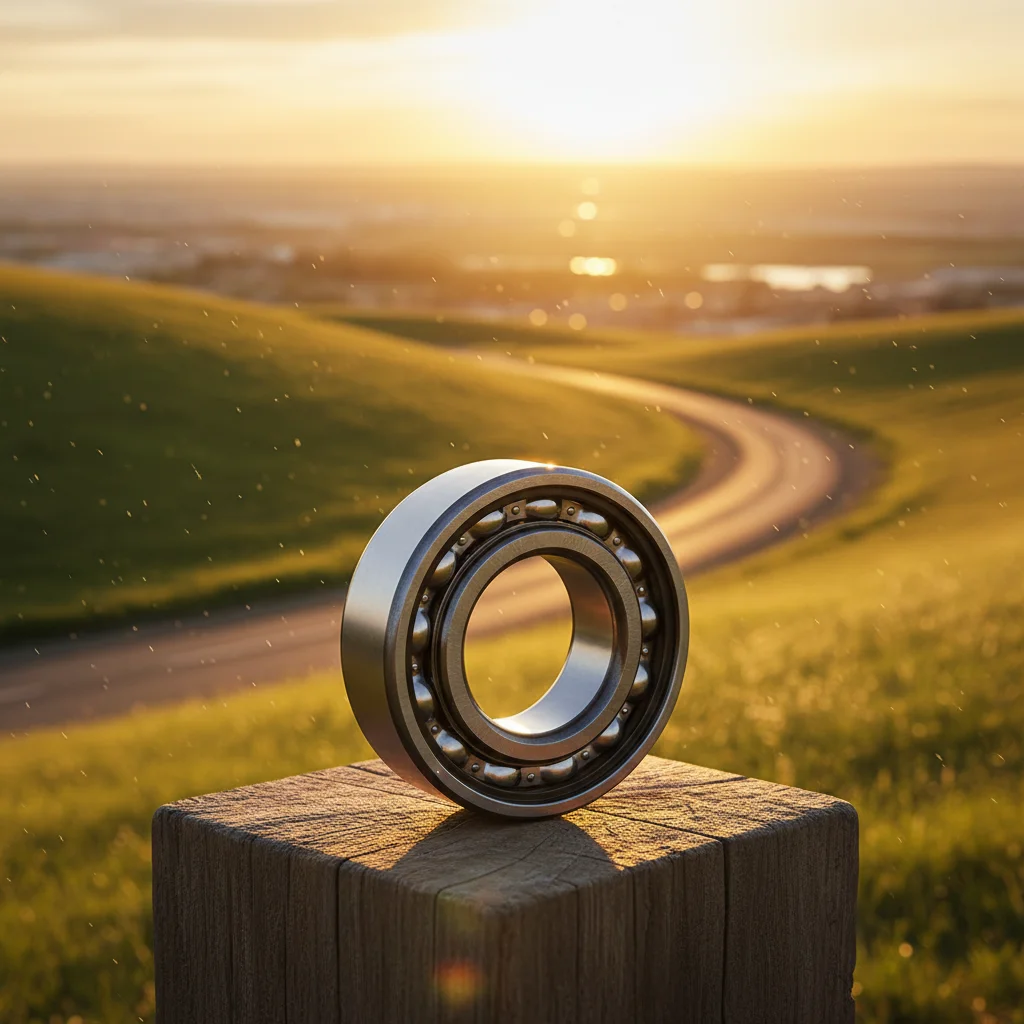
The core innovation of a self centering bearing lies in its spherical outer ring raceway. Unlike standard deep-groove ball bearings that require perfect coaxial alignment, the spherical design allows the bearing to "self-align." When the shaft bends or the housing is slightly tilted, the bearing adjusts its internal angle to maintain the center of rotation. This capability significantly reduces friction and prevents the concentration of stress on the edges of the rollers or balls, which is the primary cause of bearing failure in long-shaft applications.
Engineering Insight: The ability to compensate for misalignment reduces the need for precision machining of the housing, lowering overall installation costs while increasing system reliability.
Key Types of Self Centering Bearing Solutions
Depending on the load requirements and speed, different designs of self centering bearing are utilized. Spherical roller bearings are the most common for heavy radial loads, as they use barrel-shaped rollers to distribute weight. Spherical ball bearings, on the other hand, are ideal for lighter loads and higher speeds. Additionally, there are specialized housing units (pillow blocks) that integrate these bearings into a cast-iron shell, making them easier to mount on structural frames. Choosing the right type depends on whether your priority is load capacity, rotational speed, or ease of installation.
Self Centering Bearing vs. Fixed Bearings: A Comparison
When designing a drivetrain, engineers must choose between fixed (rigid) bearings and self-aligning options. While fixed bearings offer superior precision for high-speed stability, they are unforgiving. A tiny deviation in alignment can lead to rapid overheating. In contrast, a self centering bearing provides a safety margin that protects the shaft from bending stress. This makes them the gold standard for conveyor systems and heavy-duty turbines.
Industrial Applications of Self Centering Bearing Systems
The adaptability of the self centering bearing makes it a favorite across several heavy industries. In mining, where shafts are often incredibly long and subject to structural shifting, these bearings prevent catastrophic failure. In the paper and textile industries, they handle the large rollers that must maintain constant pressure despite frame flex. Even in agriculture, from harvesters to irrigation pumps, the ability to withstand rugged environments and slight offsets ensures that machinery keeps running during critical harvest seasons.
Technical Specifications for Selection
Choosing the correct self centering bearing requires a look at specific technical parameters. You must consider the Dynamic Load Rating (C), which indicates the load the bearing can handle over its lifetime, and the Static Load Rating (C0) for non-rotating loads. Lubrication is also critical; most self-aligning bearings require high-quality grease or oil to maintain the spherical interface's smoothness. Below is a general specification table for common industrial grades:
Conclusion: Optimizing Performance with Self Centering Bearings
Integrating a high-quality self centering bearing into your machinery is one of the most effective ways to combat the destructive effects of misalignment. By reducing friction and eliminating uneven stress, these bearings not only extend the life of the shaft but also reduce the total cost of ownership through decreased maintenance. Whether you are dealing with heavy industrial loads or high-speed precision systems, choosing the right alignment solution is key to operational success. Invest in precision today to ensure stability tomorrow.
Frequently Asked Questions (FAQs)
What exactly is a self centering bearing?
A self centering bearing is a specialized type of rolling-element bearing designed to accommodate angular misalignment between the shaft and the housing. Unlike standard bearings, which require perfect alignment to operate without excessive wear, these bearings feature a spherical outer raceway. This geometry allows the inner ring and rollers to tilt or pivot, automatically adjusting to the shaft's angle. This prevents the edges of the rollers from digging into the raceways, which significantly reduces heat generation and prevents premature failure in systems where shaft deflection is inevitable.
Can self centering bearings handle axial loads?
While the primary purpose of a self centering bearing is to manage radial loads and misalignment, many types (especially spherical roller bearings) can handle a moderate amount of axial load in both directions. However, they are not designed to be the primary axial support in a system. For applications with heavy thrust loads, it is common to pair a self-aligning bearing with a fixed bearing or a thrust bearing to lock the shaft in place axially while still allowing for the necessary angular flexibility at one end.
How do I know when to replace my self centering bearing?
The most common signs of wear in a self centering bearing include increased noise (grinding or humming), excessive vibration, and a rise in operating temperature. Since these bearings are designed to handle misalignment, they often mask early signs of shaft issues, but once the internal raceways are pitted or the rollers are deformed, efficiency drops sharply. Regular lubrication and vibration analysis are the best ways to monitor health. If you notice a significant increase in the amount of lubricant required or visible metal flakes in the grease, it is time to visit Hebei Bearings for a replacement.
Does a self centering bearing require more maintenance than a standard one?
Generally, they require a similar level of maintenance, but the quality of lubrication is more critical. Because the internal elements move in a spherical arc, maintaining a consistent lubricant film across the entire surface area is essential to prevent localized wear. In many industrial settings, these bearings are housed in units with grease nipples, making maintenance straightforward. In fact, because they prevent the catastrophic failure caused by misalignment, they often reduce the overall frequency of emergency repairs compared to rigid bearings in the same application.