
Comprehensive Guide to Self Aligning Linear Ball Bearing Applications and Benefits
Understanding Self Aligning Linear Ball Bearings
When designing machinery requiring smooth, precise linear motion, selecting the right bearing is crucial. Self aligning linear ball bearings offer a unique solution, particularly in applications where misalignment is a concern. This article will delve into their functionality, benefits, applications, and how they compare to other linear motion components. Understanding these bearings is key to optimizing performance and longevity of your equipment. We'll explore why Hebei Bearings offers a comprehensive range of these vital components.

How Self Aligning Linear Ball Bearings Work
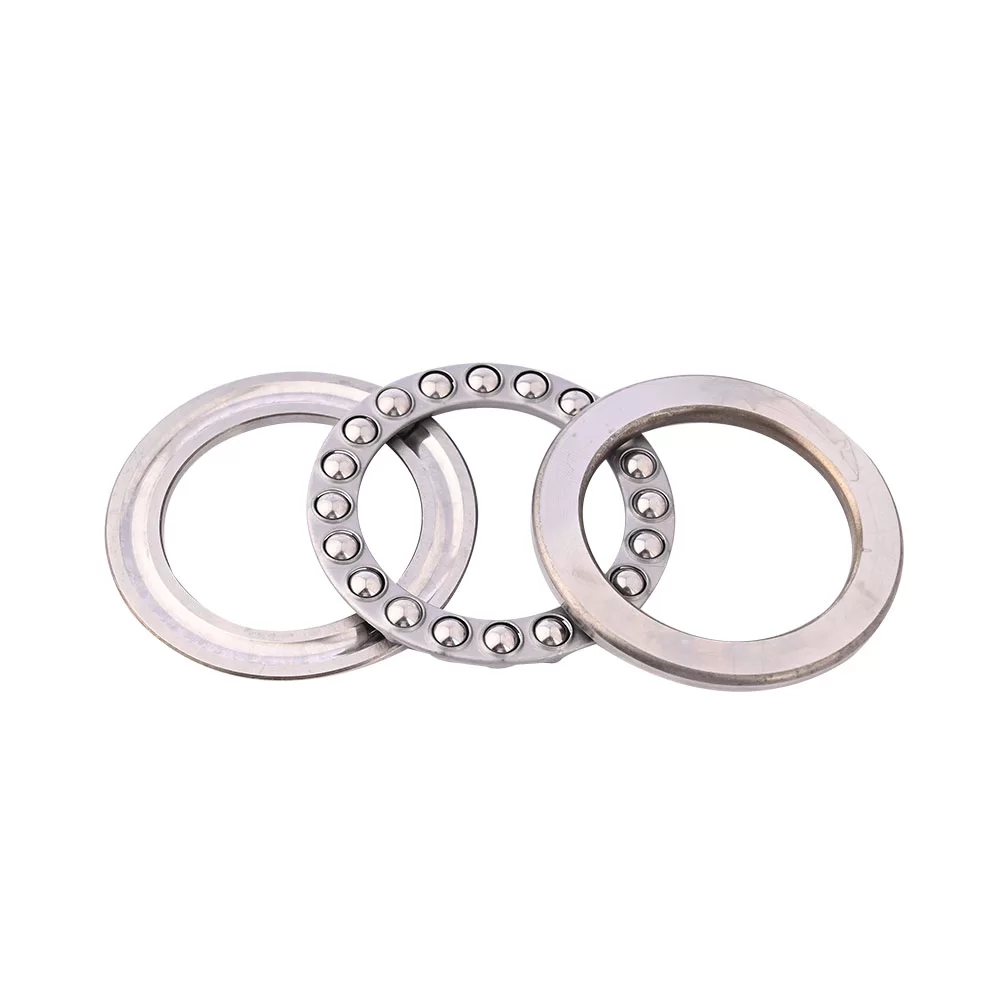
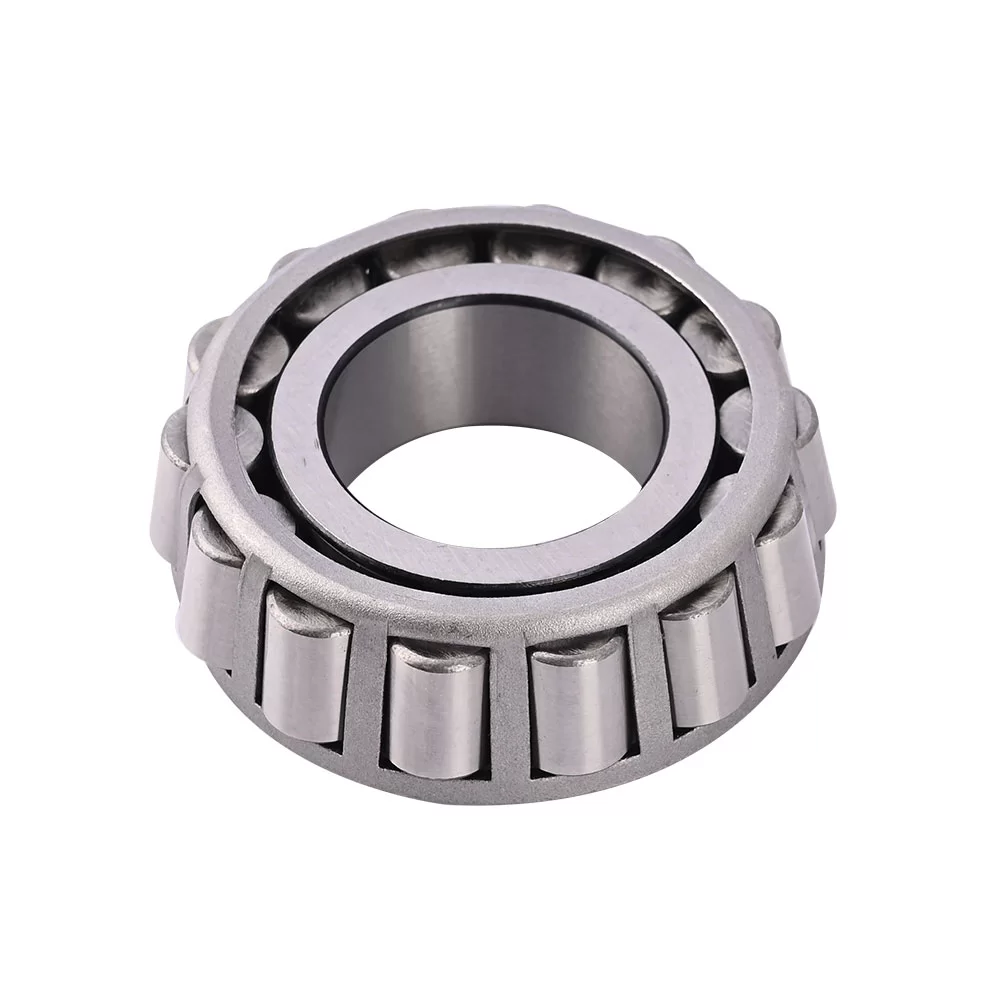
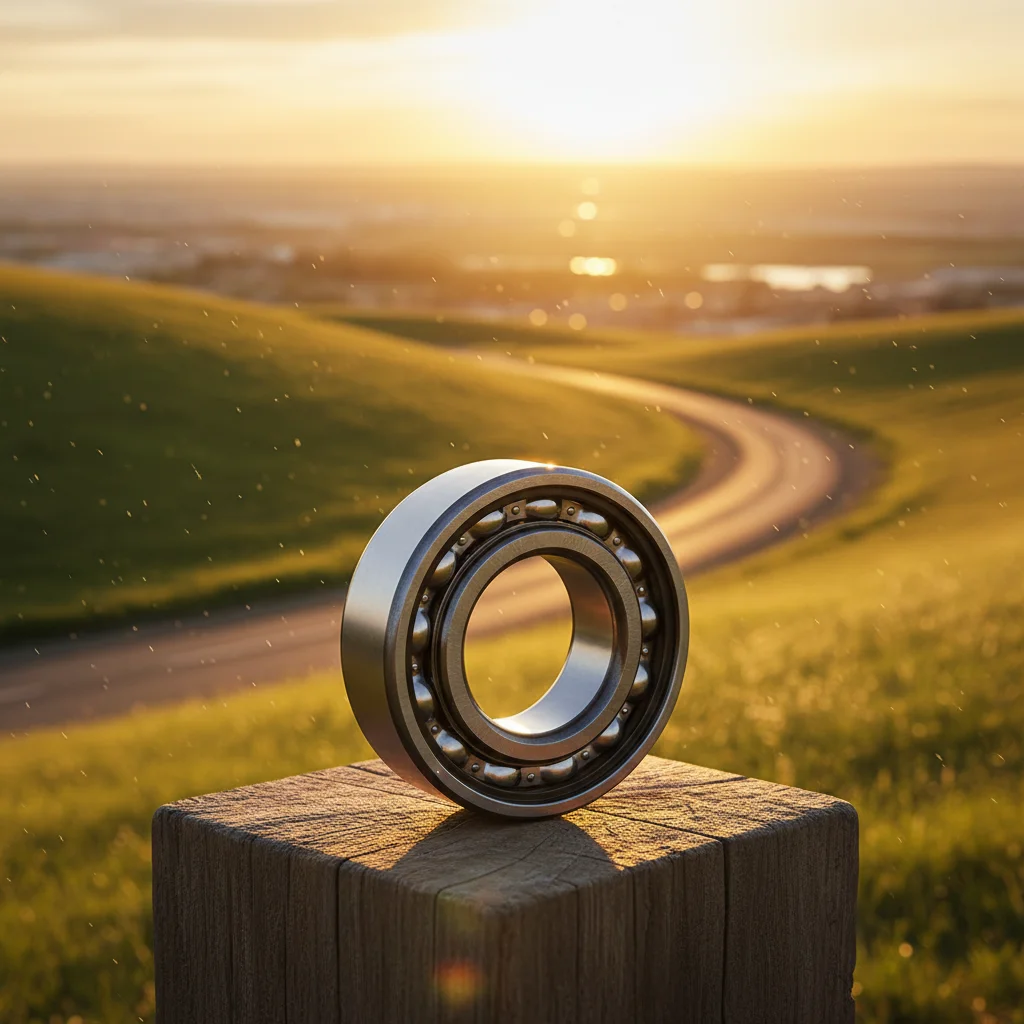
Unlike standard linear ball bearings which require precise alignment, self aligning linear ball bearings incorporate a spherical raceway. This design allows the bearing to accommodate angular misalignment, reducing edge loading and stress on the bearing components. This self-aligning capability is achieved through the construction of the bearing, typically featuring a ball cage with balls that run within both a cylindrical outer race and a self-aligning inner race. This allows for smoother operation even if the load isn’t perfectly centered. The result is reduced friction, quieter operation, and increased bearing life. These bearings excel in applications where maintaining perfect alignment is difficult or impossible.
Key Benefit: Accommodates angular misalignment, reducing stress and improving bearing life.
Key Applications of Self Aligning Linear Ball Bearings
Self aligning linear ball bearings are found in a wide array of industrial and commercial applications. Common uses include robotic joints, pick-and-place machinery, semiconductor manufacturing equipment, medical devices, and printing presses. Their ability to handle misalignment makes them ideal for applications where the load isn't consistently aligned or where vibration is present. They are particularly valuable in scenarios where minimizing friction and maximizing precision are paramount. Hebei Bearings provides these bearings for numerous industries seeking reliable linear motion solutions.
Common Application Areas:
• Robotic Joints
• Pick-and-Place Machinery
• Semiconductor Equipment
• Medical Devices
Self Aligning Linear Ball Bearings vs. Standard Linear Bearings: A Detailed Comparison
The primary difference between self aligning and standard linear ball bearings lies in their ability to tolerate misalignment. Standard linear bearings require precise alignment during installation and operation; any misalignment can lead to increased friction, premature wear, and reduced performance. Self aligning bearings, however, can compensate for angular errors, making them more forgiving and reliable in real-world applications. This comes with a slightly higher cost and potentially lower load capacity compared to standard bearings, but the benefits often outweigh these considerations in demanding applications. Choosing the right bearing depends on the specific requirements of your design. Hebei Bearings offers both types to meet diverse needs.
Choosing the Right Self Aligning Linear Ball Bearing: Key Considerations
When selecting a self aligning linear ball bearing, several factors need to be considered. These include the load capacity required for your application, the expected operating speed, the degree of misalignment anticipated, and the operating environment. Material selection is also crucial; stainless steel bearings are ideal for corrosive environments. Hebei Bearings offers expert assistance to help you choose the optimal bearing for your specific needs. Consider factors such as preload, lubrication requirements, and sealing options to ensure long-term performance and reliability.

Conclusion: Optimizing Performance with Self Aligning Linear Ball Bearings
Self aligning linear ball bearings offer a robust and reliable solution for applications requiring smooth, precise linear motion, especially in the presence of misalignment. Their ability to reduce friction, increase bearing life, and simplify system design makes them a valuable component in a wide range of industries. By carefully considering the application requirements and selecting the appropriate bearing from a trusted supplier like Hebei Bearings, you can optimize the performance and longevity of your machinery.
Frequently Asked Questions (FAQs)
What is the typical load capacity of a self aligning linear ball bearing?
The load capacity varies significantly depending on the bearing size, material, and design. However, a common range for standard self-aligning linear ball bearings is between 500N and 5000N (approximately 112 to 1124 lbs) for static loads, and 200N to 2000N (approximately 45 to 449 lbs) for dynamic loads. It’s essential to consult the bearing’s datasheet from Hebei Bearings to determine the specific load capacity for your chosen model and application.
How important is lubrication for self aligning linear ball bearings?
Lubrication is crucial for self aligning linear ball bearings, as it reduces friction, minimizes wear, and prevents corrosion. The recommended lubricant type and frequency depend on the operating conditions, such as load, speed, and temperature. Common lubricants include lithium-based greases and synthetic oils. Regular relubrication is essential to maintain optimal performance and extend the bearing’s lifespan. Hebei Bearings can provide guidance on the best lubrication practices for your specific application.
What materials are self aligning linear ball bearings typically made from?
Self aligning linear ball bearings are commonly made from various materials depending on the application requirements. The balls are typically made from bearing steel (e.g., SAE 52100) for high hardness and wear resistance. The outer race and cage can be made from steel, stainless steel, or engineering plastics. Stainless steel is often preferred for corrosive environments. Hebei Bearings offers bearings in a variety of materials to suit diverse operating conditions.
How do I determine the right size self aligning linear ball bearing for my application?
Determining the right size involves several considerations, including the load, speed, stroke length, and alignment requirements. You’ll need to calculate the required dynamic and static load capacities, as well as consider the space constraints within your system. It's always best to consult the bearing manufacturer’s datasheet and, if necessary, seek expert advice from a bearing specialist like those at Hebei Bearings to ensure you select a bearing that meets your specific needs and ensures reliable operation.