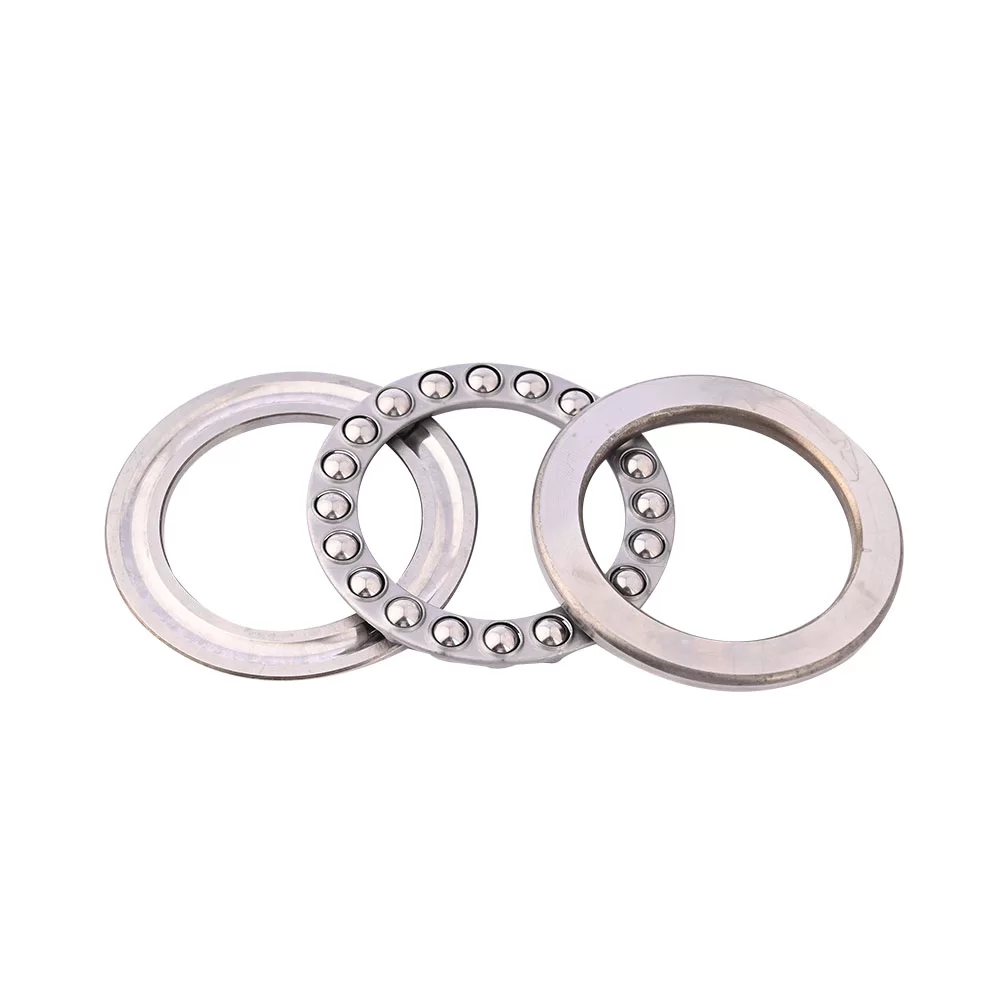
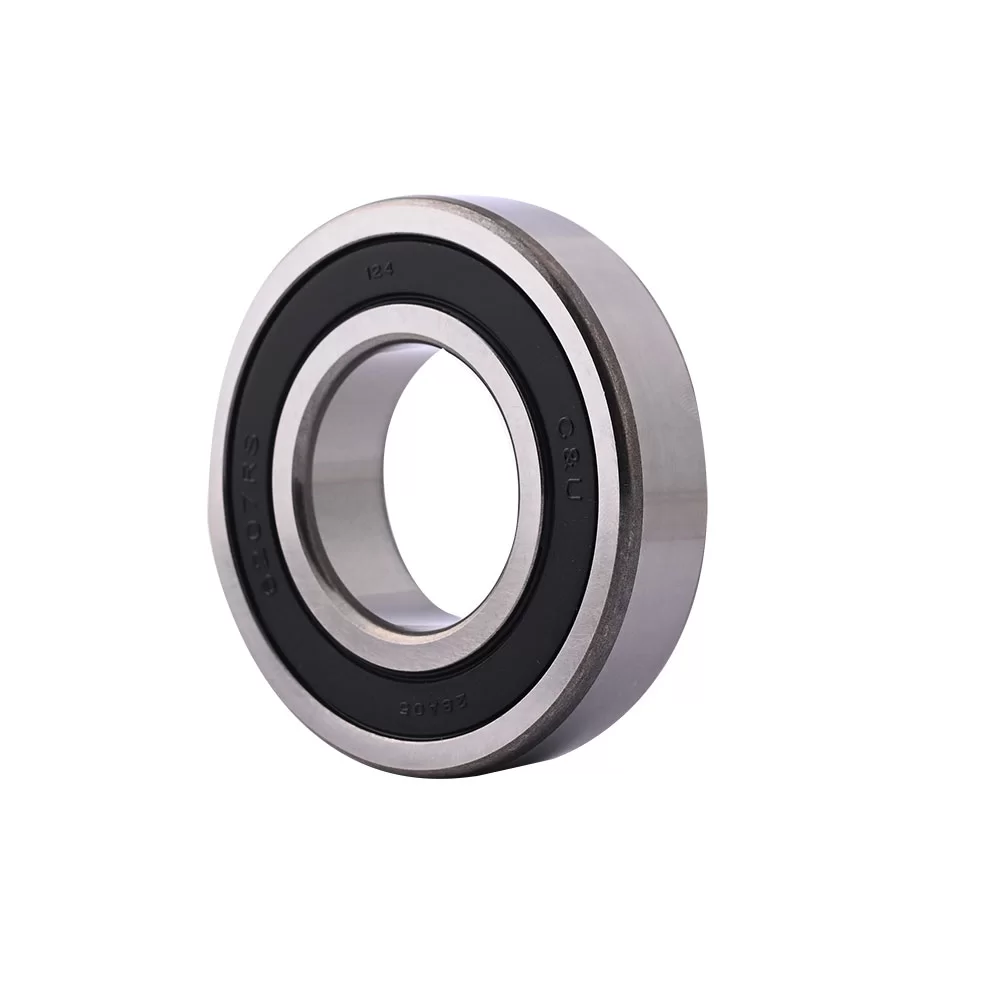
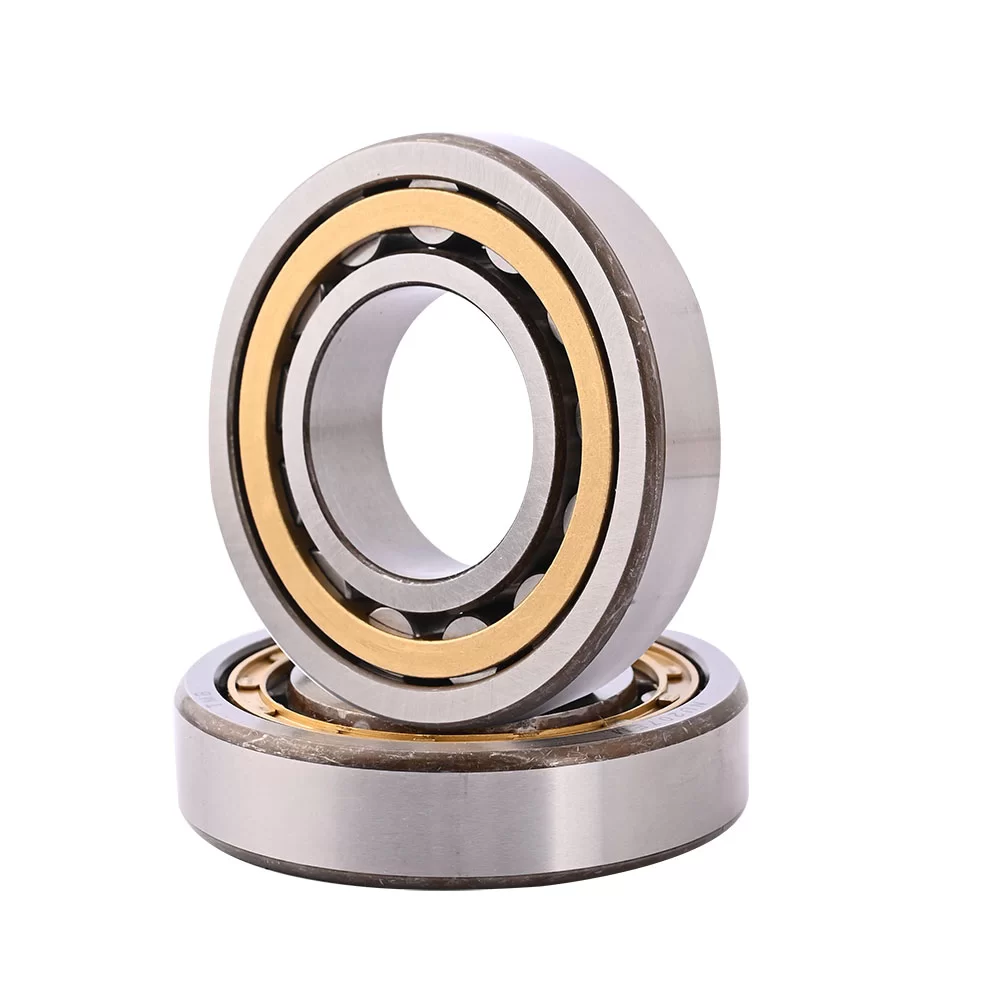
Tracing the development of bearing technology and its adoption in Europe and Russia.
Market Development History
Early bearing technology in Europe, dating back to the 19th century, focused on simple plain bearings. The introduction of ball and roller bearings in the early 20th century revolutionized industries, particularly automotive and railway. Post-WWII, advancements in metallurgy and manufacturing processes led to improved bearing precision and lifespan. Russia’s industrialization during the Soviet era heavily relied on standardized bearings, often prioritizing quantity over advanced technology.
The 1980s and 90s witnessed the rise of precision bearings with improved sealing technologies and materials. The integration of CAD/CAM and CNC machining significantly enhanced manufacturing capabilities. Russia experienced a period of disruption during this time, impacting domestic production, but also creating opportunities for Western bearing suppliers.
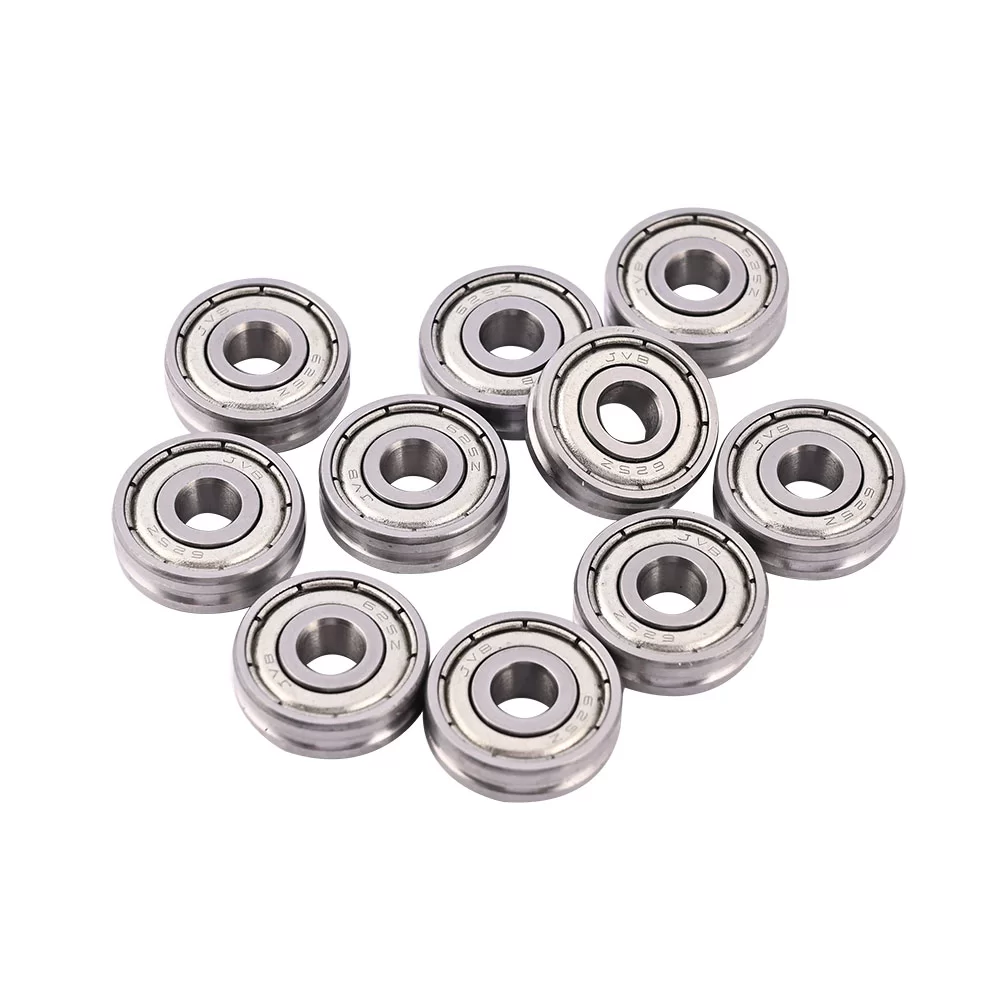
The 21st century has seen a focus on specialized bearings, incorporating advanced materials like ceramics and polymers, and incorporating smart bearing technology with sensors and data analytics. The European market led this innovation, while Russia has gradually adopted these technologies driven by the modernization of key industries. ball groove bearing saw a significant uptick in implementation.
Future Development Trends
Smart Bearings and Condition Monitoring
The integration of sensors and data analytics into bearings will enable predictive maintenance and optimize equipment performance. Google Trends data indicates a significant increase in search queries related to “bearing condition monitoring” and “smart bearings” in both Europe and Russia.
Advanced Materials
The use of advanced materials like ceramic and hybrid bearings will continue to grow, particularly in high-speed and high-temperature applications. This trend is driven by demands for increased efficiency and reduced friction.
Additive Manufacturing (3D Printing)
3D printing offers the potential for rapid prototyping and customized bearing solutions, particularly for niche applications. This technology is gaining traction in Europe, and its adoption in Russia is expected to increase as the technology matures.