
Guide to High Precision Single Row Self Aligning Ball Bearing
The Ultimate Guide to Single Row Self Aligning Ball Bearing
In the world of industrial machinery, precision and alignment are the cornerstones of efficiency. The single row self aligning ball bearing is an ingenious engineering solution designed to handle misalignment between the shaft and the housing. Unlike standard ball bearings, these specialized components can automatically adjust their internal geometry to compensate for angular deviations, preventing premature wear and unexpected machine failure. Whether you are managing a conveyor system or a complex automotive assembly, understanding the mechanics and advantages of these bearings is crucial for optimizing your operational lifespan.
How the Single Row Self Aligning Ball Bearing Works
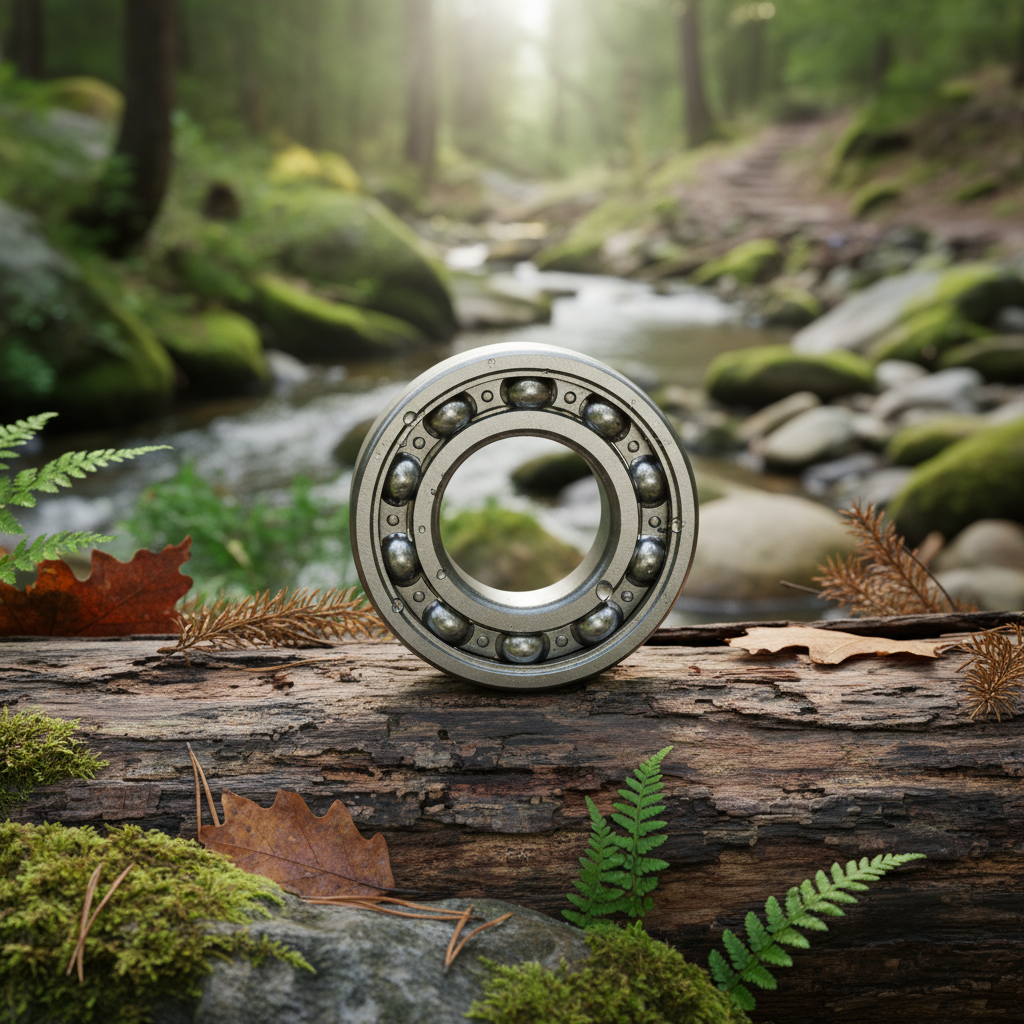
The core magic of a single row self aligning ball bearing lies in its spherical outer ring raceway. This spherical shape allows the inner ring and the ball complement to rotate or "tilt" within the outer ring, even if the shaft is not perfectly centered. This capability is essential in large machines where structural deflections occur under load or where precise alignment is physically impossible to maintain during installation. By redistributing the load evenly across the rolling elements, these bearings eliminate the "edge loading" that typically destroys conventional bearings in misaligned environments.
Engineering Insight: The self-aligning feature typically allows for an angular misalignment of up to 2 to 4 degrees, depending on the specific series and load conditions, significantly reducing the need for expensive precision machining of housings.
Key Benefits of Using Self Aligning Bearings
Implementing a single row self aligning ball bearing offers more than just alignment correction. First, it drastically reduces maintenance costs by extending the intervals between bearing replacements. Second, it minimizes vibration and noise, which not only protects the bearing itself but also the surrounding mechanical components. Finally, the ease of installation is a major operational advantage; technicians spend less time struggling with micrometer-perfect alignments and more time ensuring the system is operational. This results in shorter downtimes and higher overall equipment effectiveness (OEE).
Operational Advantages:
• Reduced friction and heat generation during operation
• Compensation for shaft bending under heavy radial loads
• Enhanced reliability in low-precision housings
• Lower total cost of ownership (TCO) over the machine's life
Comparing Single Row Self Aligning Ball Bearing vs. Deep Groove Ball Bearings
Choosing between a standard deep groove bearing and a single row self aligning ball bearing depends entirely on your application's tolerance for misalignment. Deep groove bearings are superior for high-speed applications with perfect alignment and can handle higher axial loads. However, they are unforgiving; a misalignment of even a fraction of a degree can lead to rapid failure. In contrast, the self-aligning variant trades off some axial load capacity for extreme flexibility. For environments subject to vibration or structural shifts, the self-aligning design is the only viable long-term solution.
Industrial Applications for Single Row Self Aligning Ball Bearings
The versatility of the single row self aligning ball bearing makes it a staple in numerous industries. In agriculture, they are widely used in harvesters and tractors where mud and debris can cause slight shifts in axle alignment. In the pulp and paper industry, huge rollers often deflect under their own weight, making self-alignment a necessity. Additionally, they are found in textile machinery and heavy-duty fans. Whenever a machine operates in a harsh environment where stability cannot be guaranteed, these bearings provide the necessary insurance against catastrophic failure.
Technical Specifications of the Single Row Self Aligning Ball Bearing
When selecting a bearing, technical specifications are paramount. A high-quality single row self aligning ball bearing is typically manufactured from high-carbon chromium steel (GCr15) for maximum hardness and wear resistance. Depending on the application, they can be equipped with various seals or shields to prevent contaminant ingress. Below is a generalized specification table for common industrial sizes to help you identify the right fit for your machinery.
Conclusion: Optimizing Performance with Self Aligning Solutions
Choosing the right bearing is not just about size; it is about understanding the dynamics of your machine. The single row self aligning ball bearing provides a critical safety net for engineers, ensuring that minor misalignments do not lead to major shutdowns. By reducing friction, accommodating shaft deflection, and simplifying installation, these bearings enhance the overall reliability of industrial systems. For those seeking high-performance bearing solutions that balance durability and flexibility, investing in quality self-aligning components is a strategic move for long-term success.
Frequently Asked Questions (FAQs)
How do I know if I need a self-aligning ball bearing instead of a standard one?
You should consider a self-aligning bearing if you notice frequent premature failure of standard bearings, particularly if the wear is concentrated on the edges of the raceways. Other indicators include shafts that are long and prone to bending under load, or housings that cannot be machined to extremely tight tolerances. If your machinery is subject to heavy vibration or operates in an environment where structural shifts are common (like heavy agriculture or mining), the single row self aligning ball bearing is the ideal choice to prevent downtime.
Can self-aligning ball bearings handle axial loads?
While they are primarily designed for radial loads and alignment correction, single row self-aligning ball bearings can handle some axial load. However, their axial capacity is significantly lower than that of tapered roller bearings or deep groove ball bearings. It is important to note that if the bearing is used to support a significant axial load, the shaft must be positively located axially (using a collar or shoulder) because the bearing itself cannot fix the shaft's position along its axis due to the spherical outer ring.
What is the typical maintenance requirement for these bearings?
Maintenance primarily focuses on lubrication. Because these bearings often operate in harsh industrial environments, ensuring the lubricant is free from contaminants is essential. Regular regreasing based on the manufacturer's intervals prevents metal-on-metal contact and reduces heat. For applications where the bearing is sealed, maintenance is minimal, but periodic vibration analysis is recommended to detect any internal degradation. High-quality products from Hebei Bearings are designed for longevity, but consistent lubrication is the key to maximizing their lifespan.
What materials are most common for self-aligning bearings?
The most common material is high-carbon chromium steel, which provides the necessary hardness to withstand high radial loads without deforming. For specialized environments, such as food processing or chemical plants, stainless steel versions are used to prevent corrosion. Some high-end applications may also use ceramic balls to reduce friction and operate at higher speeds or temperatures. Regardless of the material, the precision of the spherical raceway is what defines the performance of the single row self aligning ball bearing.