Look, I spend my days knee-deep in concrete dust and grease, talking to the guys actually building things. We’re not talking about fancy lab tests here; we’re talking about real-world performance, day in and day out. And that’s where understanding the importance of a solid, reliable bearing comes in – specifically, the sealed self aligning bearing. It’s the unsung hero in a whole lot of equipment, from conveyors hauling materials to the mixers that make the concrete itself. If it fails, everything grinds to a halt, and that costs time, money, and frankly, puts people behind schedule.
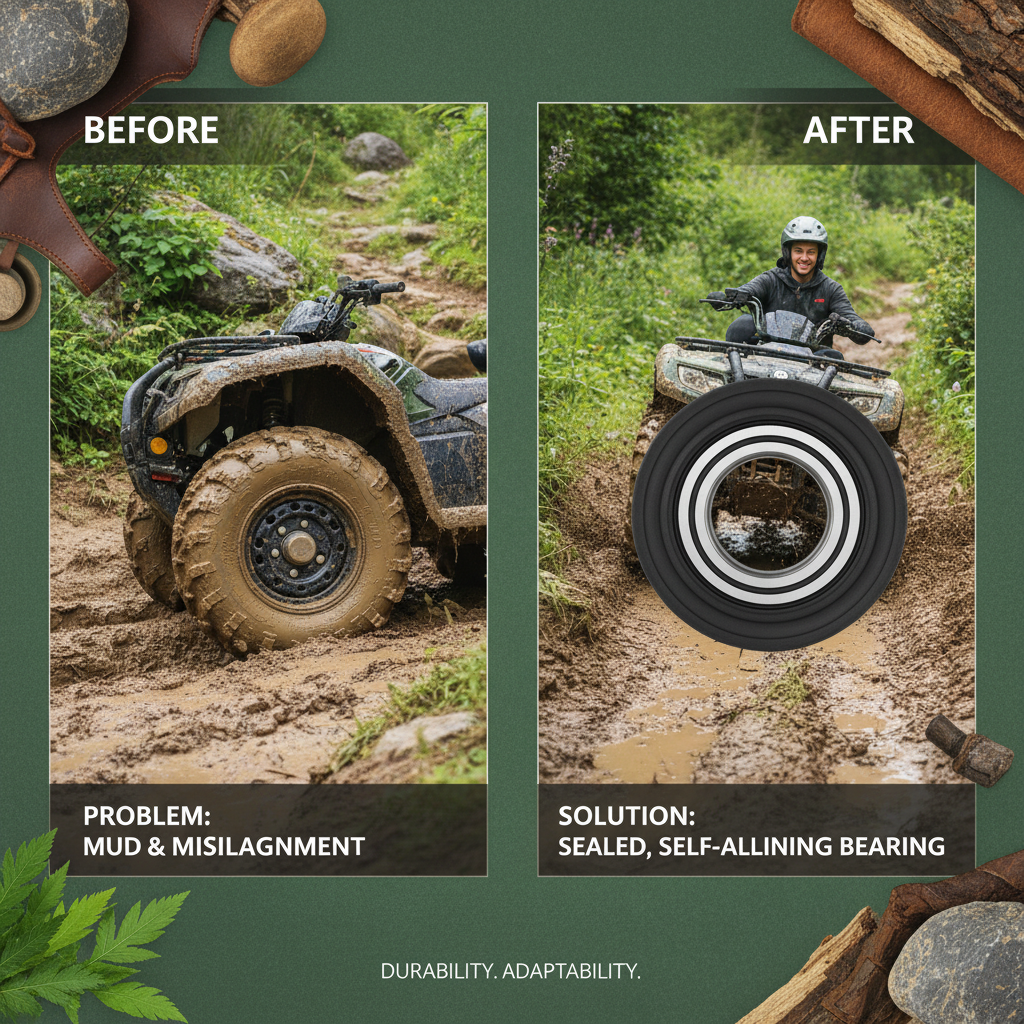
What gets overlooked is how much vibration and misalignment these machines deal with. Construction sites aren’t sterile environments. Things shift, settle, get bumped. A standard bearing just can’t handle that constant abuse. That’s why a sealed self aligning bearing is crucial. It's designed to take that hit, to compensate for that movement without seizing up. We’re talking about keeping production flowing, minimizing downtime, and ultimately, delivering a project on time and within budget.
I've seen too many projects delayed because of bearing failures. It's not glamorous, but it's a huge deal. It’s about more than just the bearing itself; it’s about the entire system. A good bearing keeps the whole machine running smoothly, reduces wear and tear on other components, and keeps everyone safe. That’s why I always push for quality – and that usually means a sealed self aligning bearing when the application demands it.
The Importance of Sealed Self Aligning Bearings in Construction
Look, you don't think about bearings until something breaks. Then, suddenly, they're everything. On a construction site, the reliability of the equipment directly impacts the schedule and budget. A sealed self aligning bearing might seem like a small component, but it's a critical one in preventing costly downtime. I’ve seen whole phases of a project delayed because of a simple bearing failure.
We need parts that can withstand continuous operation, heavy loads, and inevitable misalignments. It’s not about finding the cheapest option; it’s about finding the option that keeps things running. That’s where the sealed self aligning bearing comes in; it's built for these kinds of tough conditions.
Defining Sealed Self Aligning Bearings
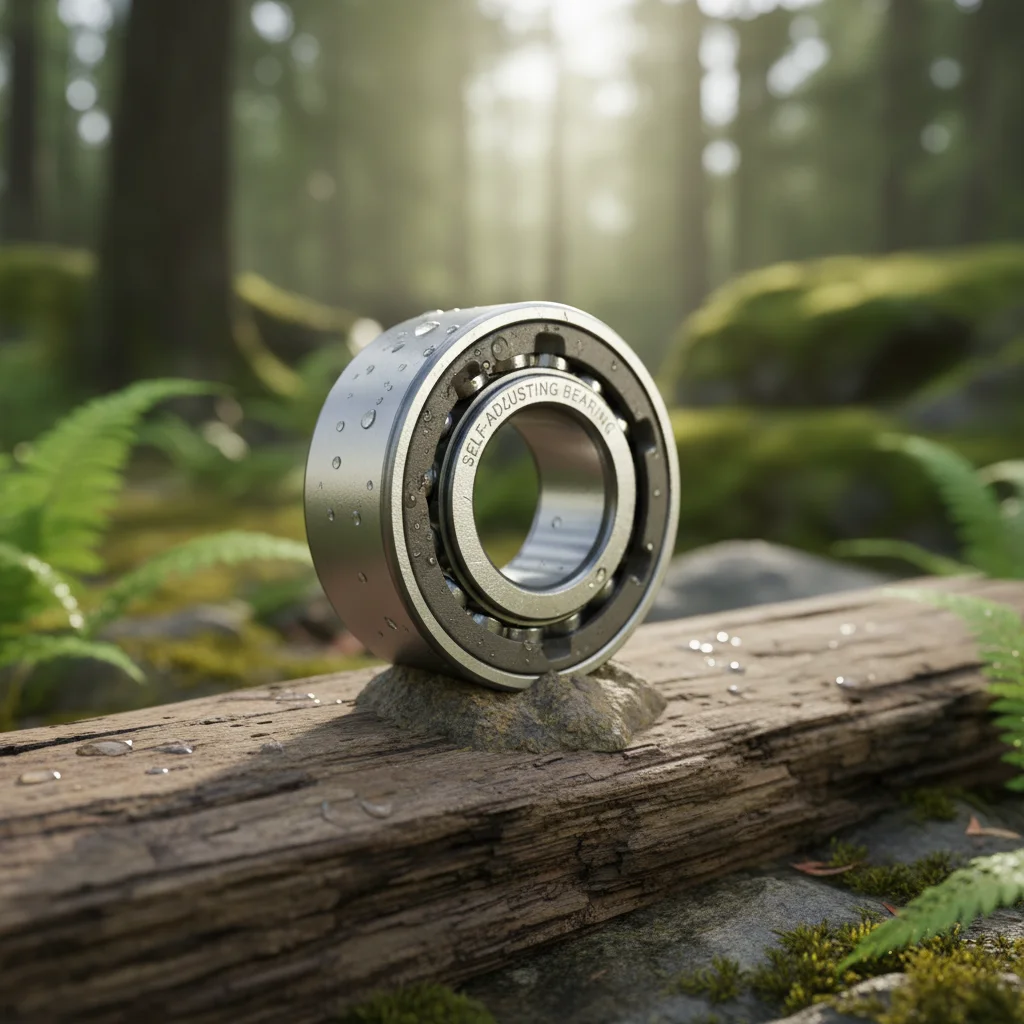
Simply put, these bearings are designed to handle misalignment. Most bearings require precise alignment to operate efficiently and avoid premature failure. Construction sites? Forget about precise. Everything’s shifting, settling, and vibrating. A sealed self aligning bearing has a spherical outer surface that allows it to compensate for these misalignments without putting excessive stress on the bearing itself.
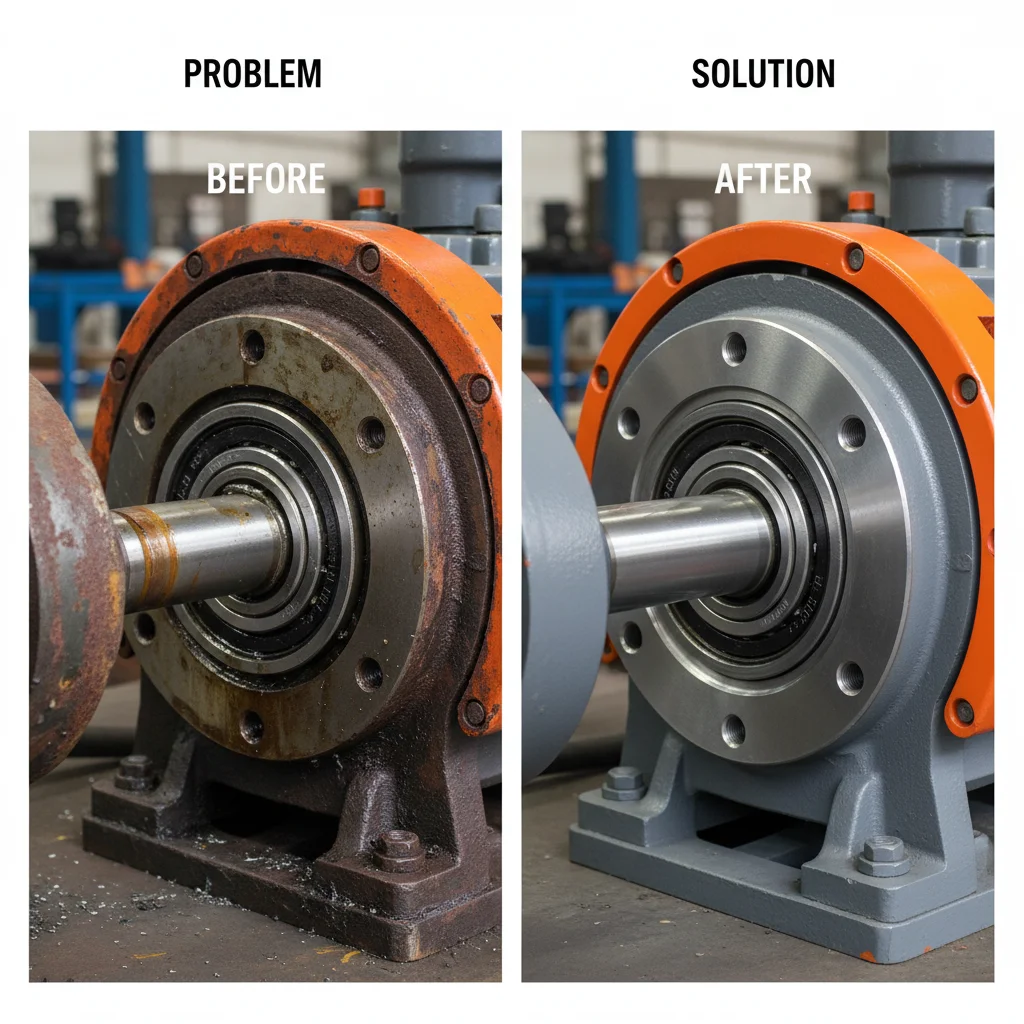
The “sealed” part is equally important. Dust, dirt, and debris are constant companions on any construction site. A sealed bearing keeps those contaminants out, preventing corrosion and wear. It means less maintenance, less frequent replacements, and more consistent performance.
It’s a relatively simple concept, but incredibly effective. It’s the difference between a machine that keeps working and one that’s constantly being patched up. And honestly, out here, we don't have time for constant patching.
Key Factors for Construction Applications
Durability is paramount. These bearings need to withstand constant loading, shock, and vibration. The materials used and the manufacturing process are critical. We look for bearings made from high-quality steel and with robust sealing systems.
Load capacity is also huge. Construction equipment handles incredibly heavy loads. The sealed self aligning bearing needs to be able to support those loads without deforming or failing. This isn't a theoretical number; it’s about real-world performance under extreme stress.
Finally, maintenance is a key consideration. We’re often working with limited resources and need components that require minimal upkeep. The sealed design of these bearings significantly reduces the need for frequent greasing and inspection, saving time and labor costs.
Global Applications on Construction Sites
You’ll find these bearings in everything from concrete mixers and conveyor systems to cranes and heavy machinery. Anywhere there's a rotating shaft that's subject to misalignment and heavy loads, a sealed self aligning bearing is likely to be at work.
In Europe, where pre-fabricated components are widely used, the demand for reliable bearings in the assembly and transport of these components is high. In rapidly developing nations across Asia, large-scale infrastructure projects rely heavily on durable bearings to keep pace with construction schedules. Even in remote mining operations in Australia, these bearings are essential for handling heavy materials and equipment.
Bearing Applications by Equipment Type
Advantages and Long-Term Value in Demanding Environments
The initial cost of a sealed self aligning bearing might be slightly higher than a standard bearing, but the long-term savings are significant. Reduced downtime, lower maintenance costs, and extended equipment life all contribute to a lower total cost of ownership.
More importantly, it’s about reliability. Knowing that your equipment won't fail unexpectedly gives you peace of mind and allows you to focus on the job at hand. It’s not just about saving money; it’s about keeping projects on schedule and ensuring the safety of the workers.
Future Trends & Innovations in Bearing Technology
We’re starting to see bearings with even more advanced sealing technologies, incorporating materials that can withstand higher temperatures and more aggressive contaminants. There’s also a growing trend towards smart bearings, which incorporate sensors to monitor their performance and predict potential failures.
The integration of data analytics and machine learning will allow us to optimize bearing maintenance schedules and prevent unexpected downtime. These innovations are crucial for improving efficiency and reducing costs in the construction industry.
I’m also keeping an eye on developments in sustainable materials. Reducing the environmental impact of construction is becoming increasingly important, and using more eco-friendly bearing materials is a step in the right direction.
Challenges & Solutions in Bearing Implementation
One common challenge is improper installation. Even the best bearing will fail if it’s not installed correctly. That’s why proper training and adherence to manufacturer’s guidelines are essential.
Another challenge is selecting the right bearing for the specific application. It’s important to consider the load, speed, operating environment, and other factors. Working with a knowledgeable supplier who can provide expert advice is critical.
We are also observing a need for more standardized testing procedures to ensure bearings meet the demanding requirements of the construction industry. More rigorous testing will help build trust and confidence in bearing performance.
A Comparative Overview of Common Bearing Challenges and Mitigation Strategies
| Challenge |
Root Cause |
Mitigation Strategy |
Impact on sealed self aligning bearing Performance |
| Misalignment |
Poor installation, foundation settling |
Precision alignment tools, regular inspection |
Reduced bearing life, increased friction |
| Contamination |
Dust, debris, water ingress |
Sealed bearings, protective covers |
Corrosion, increased wear, failure |
| Overloading |
Exceeding bearing capacity |
Proper bearing selection, load monitoring |
Premature failure, deformation |
| Lubrication Issues |
Insufficient or incorrect lubricant |
Automated lubrication systems, proper grease selection |
Increased friction, heat buildup, wear |
| Corrosion |
Exposure to harsh chemicals or environments |
Corrosion-resistant materials, protective coatings |
Reduced strength, material degradation |
| Vibration |
Imbalance, machine resonance |
Dynamic balancing, vibration damping materials |
Fatigue, increased wear |
FAQS
Honestly, it’s underestimating the environment. They’ll go for the cheapest option without considering the amount of dust, vibration, and potential misalignment. A sealed self aligning bearing is a bit more upfront, but it’s built to handle those conditions, preventing failures that cost way more in the long run. You’ve got to think total cost of ownership, not just the initial price tag.
Regular inspection is key. At least weekly, visually check for any signs of damage, corrosion, or excessive play. Listen for unusual noises – grinding or squealing can indicate a problem. Document everything. The more information you have, the easier it is to spot trends and prevent failures. And don’t forget to check the seals for any damage – that's your first line of defense against contamination.
Generally, no. Once a bearing has been contaminated with dirt, debris, or water, it’s best to replace it. Contaminants can cause internal damage that’s not immediately visible, leading to premature failure. Trying to clean it often doesn’t remove all the contaminants and can even introduce new ones. It’s just not worth the risk.
Both offer some level of protection, but a sealed bearing has a rubber seal that makes a tighter fit, offering better protection against dust, dirt, and water. Shielded bearings have metal shields that primarily protect against larger particles. For the harsh environment of a construction site, a sealed self aligning bearing is almost always the better choice.
Critically important. Using the wrong lubricant can lead to increased friction, heat buildup, and premature failure. Always use the lubricant recommended by the bearing manufacturer. Consider the operating temperature, load, and speed when selecting a lubricant. And don't over- or under-lubricate – both can cause problems.
Keep an ear out for unusual noises – grinding, squealing, or clicking. Also, look for increased vibration, heat, or play in the bearing. If you notice any of these signs, stop the equipment immediately and inspect the bearing. Ignoring these warnings can lead to a catastrophic failure and costly downtime.
Conclusion
Let’s face it: sealed self aligning bearings aren’t glamorous. But they’re the backbone of a lot of the equipment we rely on every single day on construction sites. Investing in quality bearings, understanding their limitations, and implementing proper maintenance procedures can save you a ton of money, time, and headaches. It’s about building things right, and that starts with the right components.
Looking ahead, the focus will be on even more durable, reliable, and smart bearing solutions. Embracing new technologies, like predictive maintenance, will be crucial for maximizing equipment uptime and reducing costs. Don't cut corners on something as fundamental as bearings – it’s a decision that will pay off in the long run. For reliable solutions, visit our website: www.hebeibearings.com.