
Comprehensive Guide to Spherical Bearings and Their Industrial Applications
Understanding Spherical Bearings: A Comprehensive Guide
Spherical bearings, also known as self-aligning ball bearings, are crucial components in numerous industrial applications. Their unique design allows them to accommodate angular misalignment, making them ideal for applications where shaft deflection or misalignment is likely. This article will delve into the intricacies of spherical bearings, exploring their features, benefits, applications, and how to select the right bearing for your specific needs. We’ll focus on key characteristics that make them a vital part of efficient and reliable machinery. Understanding these bearings is paramount for engineers, maintenance professionals, and anyone involved in mechanical systems.
Key Features of Spherical Bearings
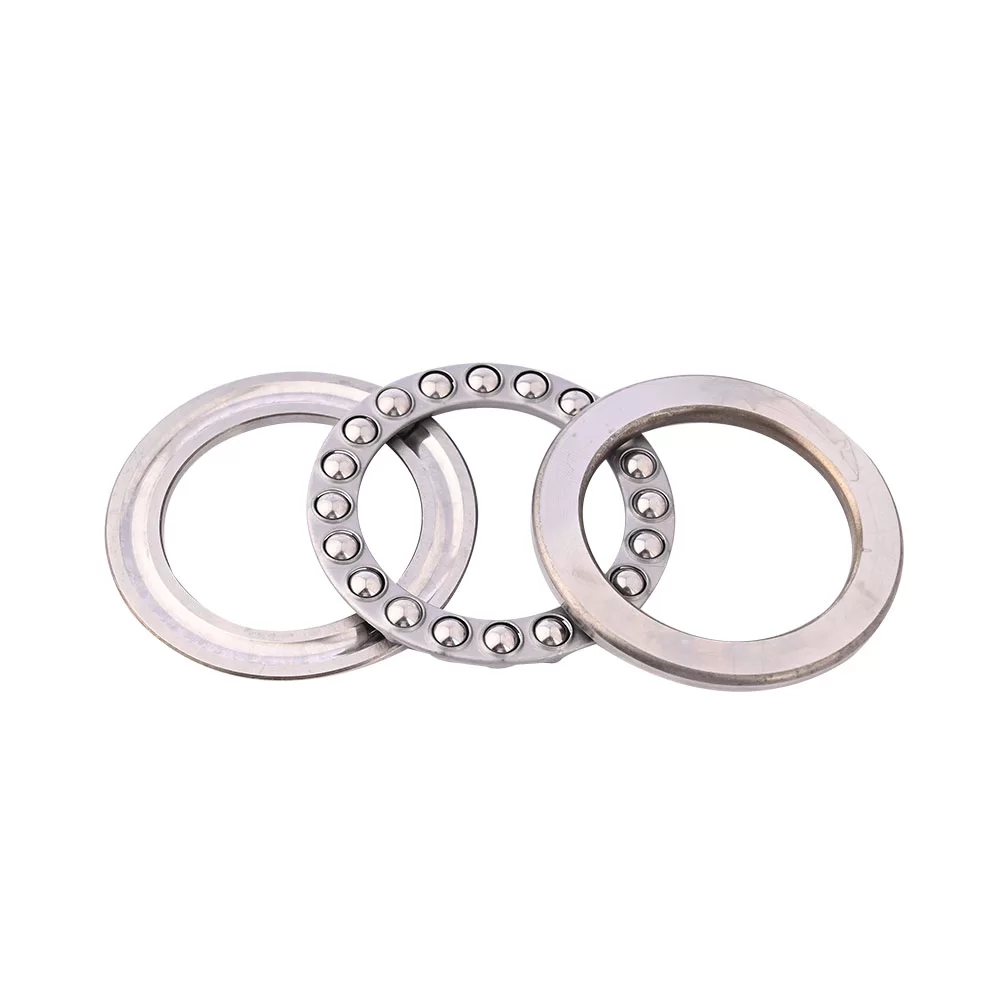
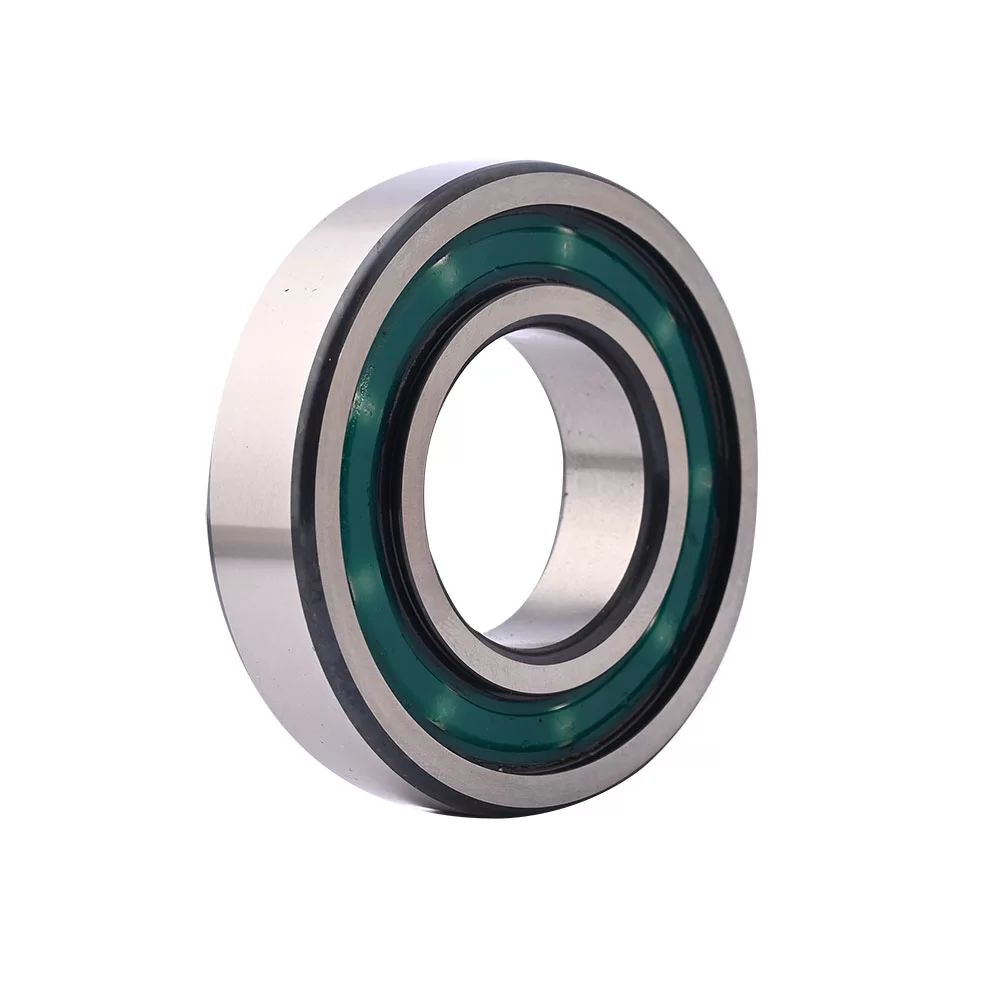
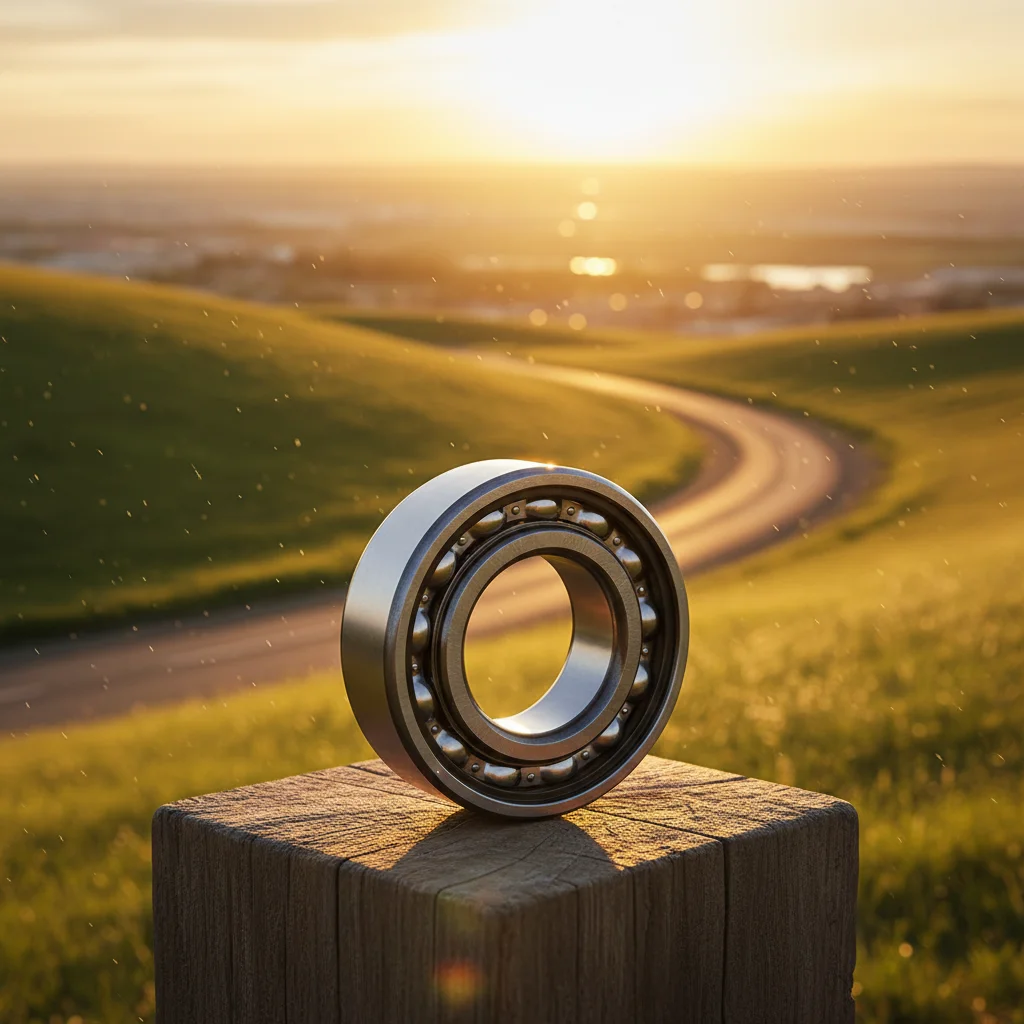
The defining characteristic of a spherical bearing is its self-aligning capability. This is achieved through a spherical raceway in the outer ring, which allows the bearing to tolerate angular misalignment without significantly increasing friction or stress. They generally consist of an outer ring, an inner ring, a cage, and steel balls. The cage keeps the balls separated and in the correct position. Hebei Bearings offers a wide range of spherical bearings designed for varying load capacities and operating conditions. They are robust, reliable, and designed for long-term performance, even in challenging environments.
Key Highlights: Self-aligning capability, Accommodates angular misalignment, Robust construction, Suitable for high loads and moderate speeds.
Applications of Spherical Bearings
Spherical bearings find widespread application across numerous industries. They are commonly used in agricultural machinery, such as combine harvesters and tractors, where misalignment due to ground conditions is common. In the automotive sector, they are crucial components in the transmission and differential systems. Other applications include: conveyor systems, paper machines, textile machinery, printing machines, and various types of pumps and motors. Their ability to handle misalignment and high loads makes them ideal for these demanding applications.
Application Examples:
• Agricultural Machinery
• Automotive Industry
• Conveyor Systems
• Industrial Pumps and Motors
Spherical Bearings vs. Other Bearing Types
Compared to other bearing types, such as deep groove ball bearings or cylindrical roller bearings, spherical bearings excel in applications requiring misalignment tolerance. While deep groove ball bearings are excellent for high-speed, light-load applications, they cannot accommodate significant angular misalignment. Cylindrical roller bearings can handle heavy loads, but are very sensitive to alignment. Spherical bearings bridge this gap, offering a balance of load capacity and misalignment tolerance. Selecting the appropriate bearing type hinges on the specific requirements of the application.
Selecting the Right Spherical Bearing
Choosing the correct spherical bearing requires careful consideration of several factors. First, determine the load requirements – both radial and axial. Next, assess the degree of misalignment expected in the application. Consider the operating speed and temperature range. Finally, factor in the lubrication requirements and the surrounding environment. Hebei Bearings provides technical support to help customers select the optimal bearing for their specific application.

Maintenance and Longevity of Spherical Bearings
Proper maintenance is crucial for extending the lifespan of spherical bearings. Regular lubrication is essential to reduce friction and wear. Monitor for signs of damage, such as cracks or excessive play. Ensure the surrounding mounting surfaces are clean and properly aligned. Periodic inspections can help identify potential problems before they lead to failure. Following the manufacturer's recommendations for lubrication and maintenance will maximize the bearing's performance and reliability.
Conclusion: Choosing Reliability with Spherical Bearings
Spherical bearings are indispensable components in a wide range of industrial applications, providing reliable performance in challenging conditions. Their self-aligning capability and robust construction make them ideal for environments where misalignment and high loads are prevalent. By understanding the key features, applications, and maintenance requirements of spherical bearings, you can ensure optimal performance and longevity. Hebei Bearings is your trusted partner for high-quality spherical bearings and expert technical support.
Frequently Asked Questions (FAQs)
What is the maximum allowable misalignment for a spherical bearing?
The maximum allowable misalignment typically ranges from 2 to 4 degrees, depending on the specific bearing design and manufacturer’s specifications. Exceeding this limit can lead to premature wear, increased friction, and ultimately, bearing failure. It's crucial to consult the bearing's datasheet for precise misalignment tolerances. Proper alignment during installation is also vital to ensure optimal performance and extend the bearing's lifespan. Hebei Bearings provides detailed specifications with each product.
What types of lubrication are suitable for spherical bearings?
Spherical bearings can be lubricated with a variety of greases and oils, depending on the operating conditions. Lithium-based greases are commonly used due to their excellent water resistance and load-carrying capacity. Synthetic oils are suitable for high-temperature applications or when extended lubrication intervals are required. The selection of the appropriate lubricant should consider factors such as speed, temperature, load, and the surrounding environment. Always consult the bearing manufacturer’s recommendations for specific lubrication guidelines.
How do I identify a worn spherical bearing?
Signs of a worn spherical bearing include increased noise or vibration, excessive heat, and noticeable play or looseness in the bearing. Visual inspection may reveal signs of pitting, spalling, or corrosion on the rolling elements or raceways. If any of these symptoms are observed, the bearing should be inspected and replaced as necessary. Early detection and replacement can prevent further damage to surrounding equipment and ensure continued safe operation.
Are spherical bearings suitable for high-speed applications?
While spherical bearings can operate at moderate speeds, they are generally not ideal for high-speed applications. Their design, which prioritizes misalignment tolerance, introduces more friction compared to other bearing types, limiting their maximum speed capability. For high-speed applications, deep groove ball bearings or tapered roller bearings are typically preferred. The recommended speed limits for spherical bearings should be consulted in the manufacturer's specifications.