Market Development History
Early bearing technology in Sweden, dating back to the late 19th and early 20th centuries, relied heavily on plain bearings and basic ball bearings. The development of hardened steel alloys in the 1920s and 30s significantly improved bearing durability and performance.
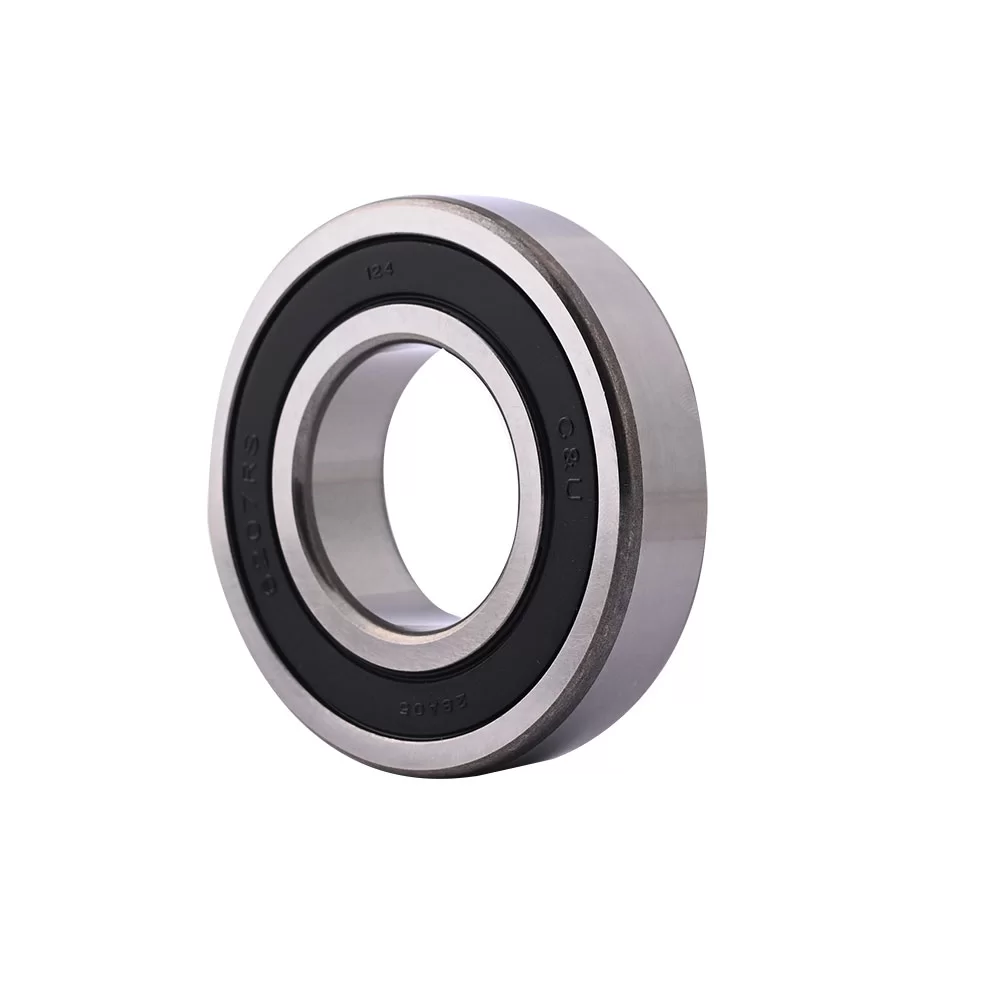
The post-World War II era saw the introduction of precision manufacturing techniques and specialized bearing designs. The Swedish automotive industry, particularly Volvo and Scania, played a key role in driving demand for advanced ball groove bearing for transmissions and engine components.
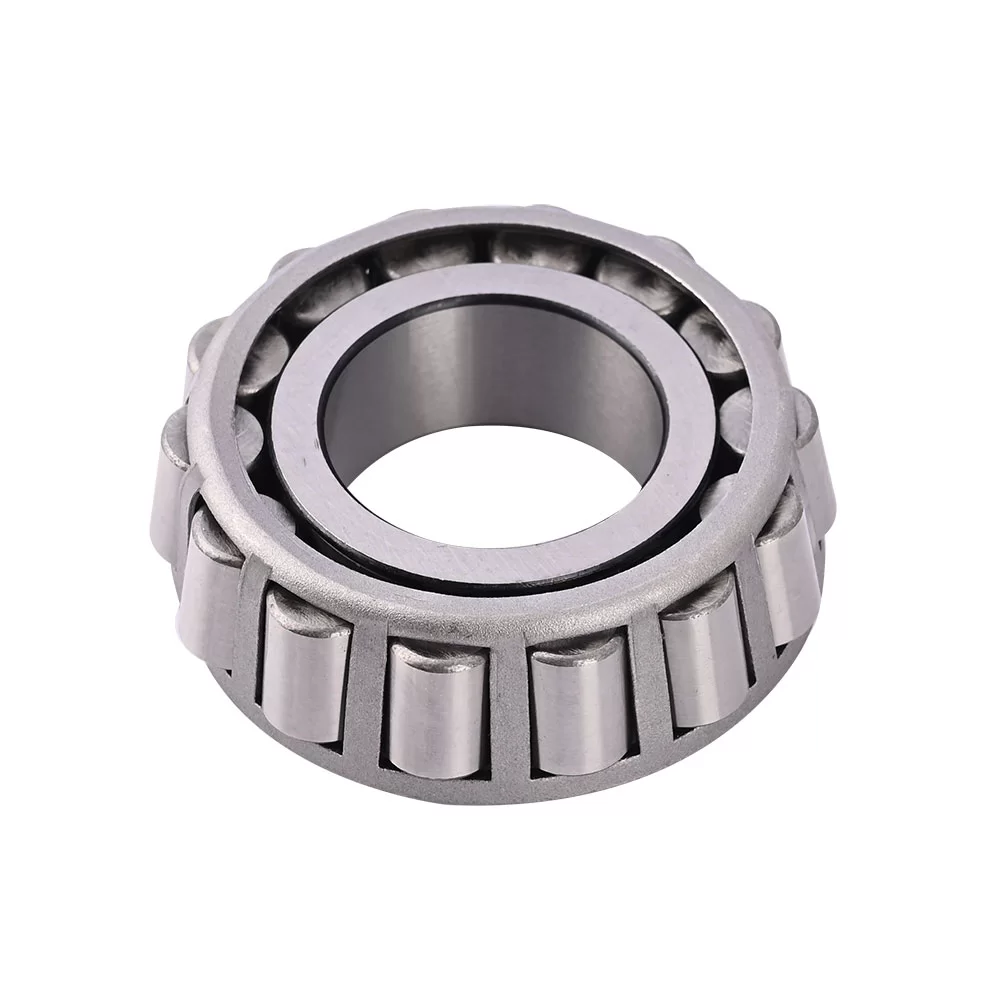
The late 20th and early 21st centuries witnessed the rise of specialized bearings, including tapered roller bearings and ceramic bearings, driven by the demands of aerospace and high-speed industrial applications. Emphasis shifted toward minimizing friction and maximizing lifespan.
Future Development Trends
Smart Bearings & Condition Monitoring
The integration of sensors and data analytics into bearings, creating ‘smart bearings’ capable of providing real-time performance data and predictive maintenance insights. Google Trends indicates a significant increase in searches related to “bearing condition monitoring” in the Nordic region.
Advanced Materials & Coatings
Research into new materials, such as advanced polymers and specialized alloys, to enhance bearing performance in extreme environments. Development of novel coatings to reduce friction and improve corrosion resistance.
Additive Manufacturing (3D Printing) of Bearings
3D printing technologies are beginning to enable the creation of customized bearings with complex geometries, optimized for specific applications. This offers the potential for shorter lead times and reduced costs.