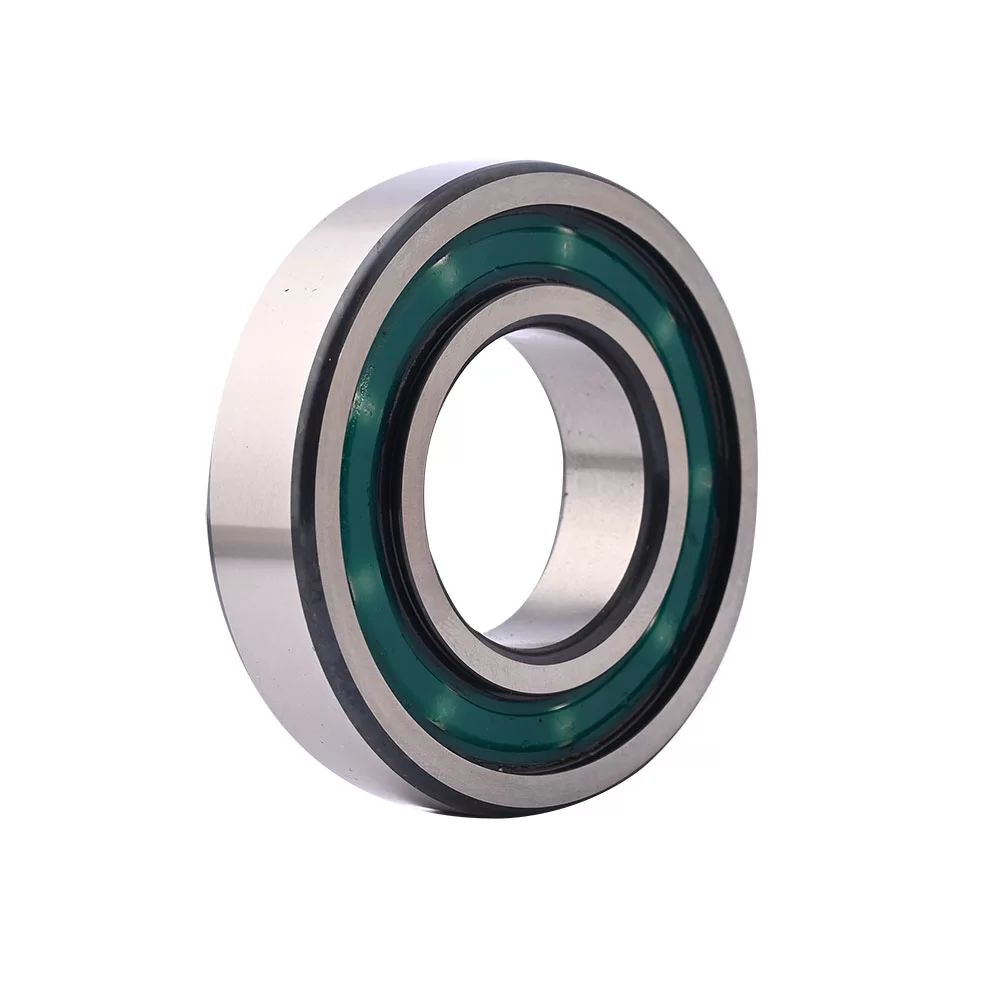
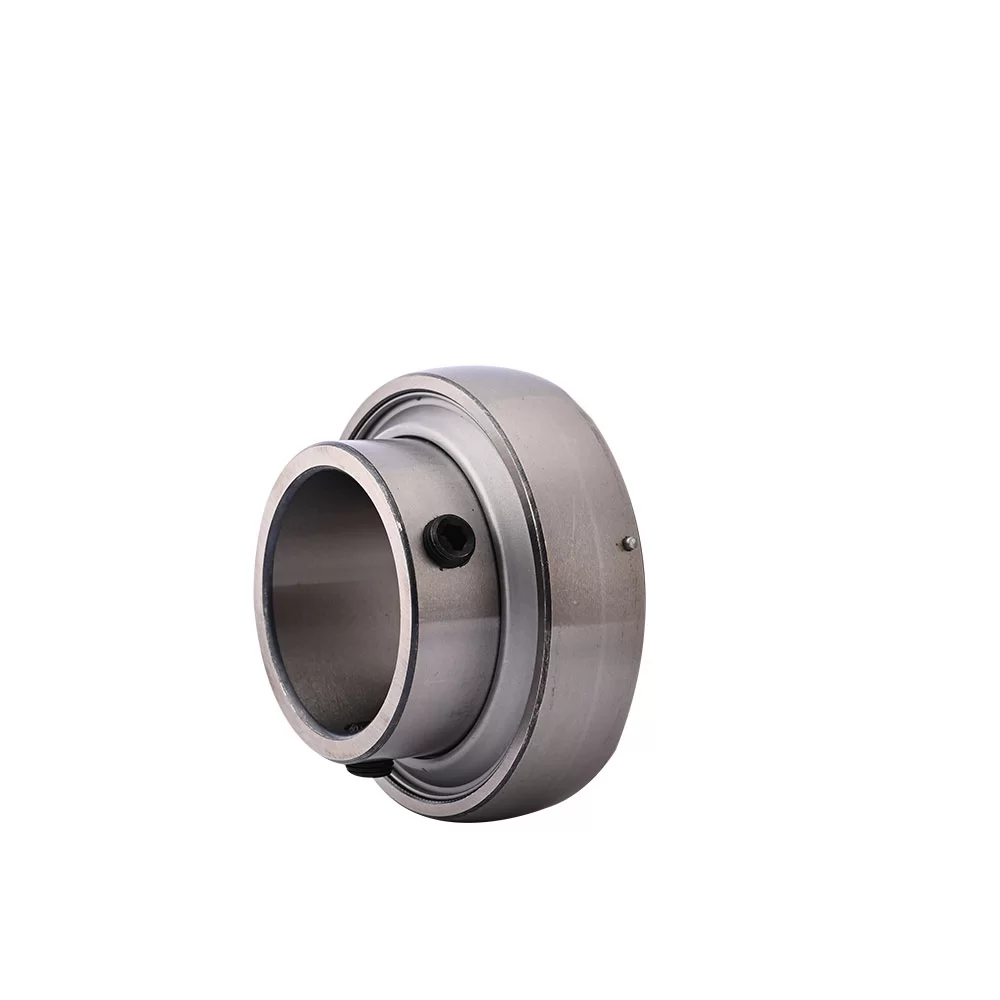
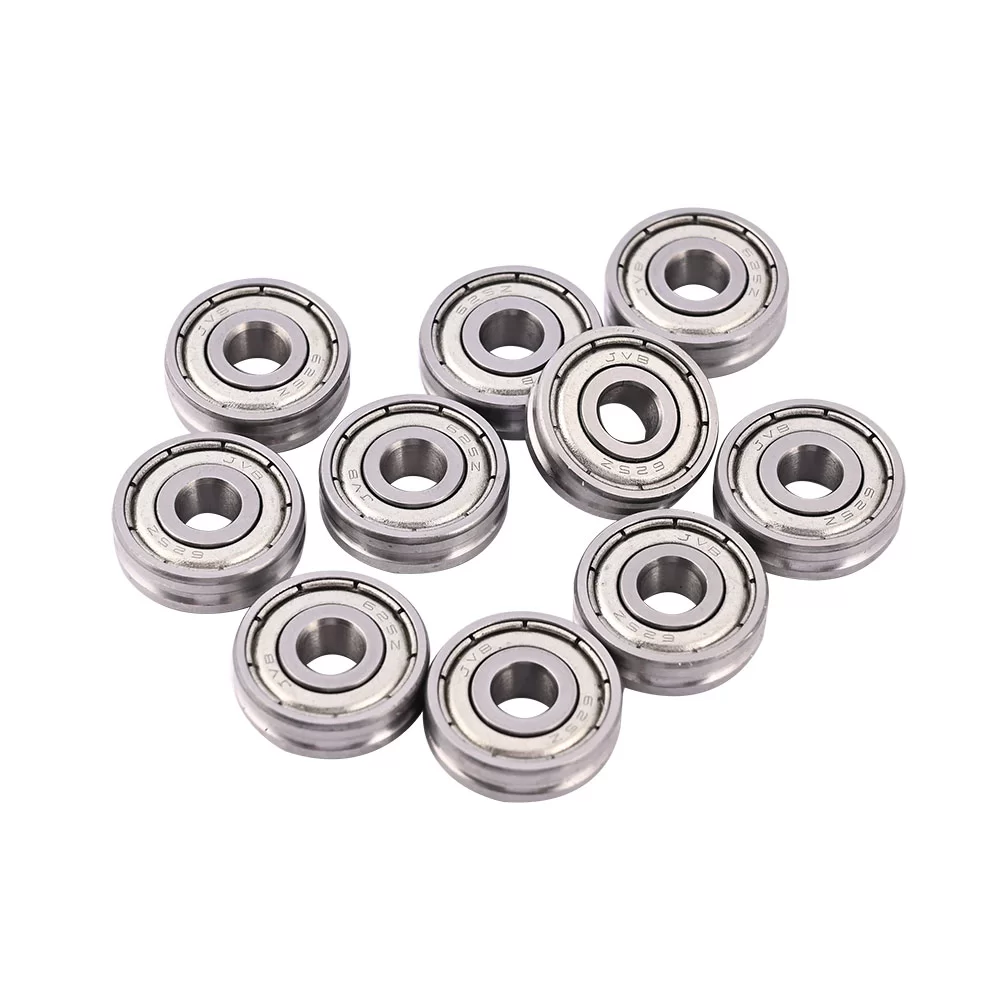
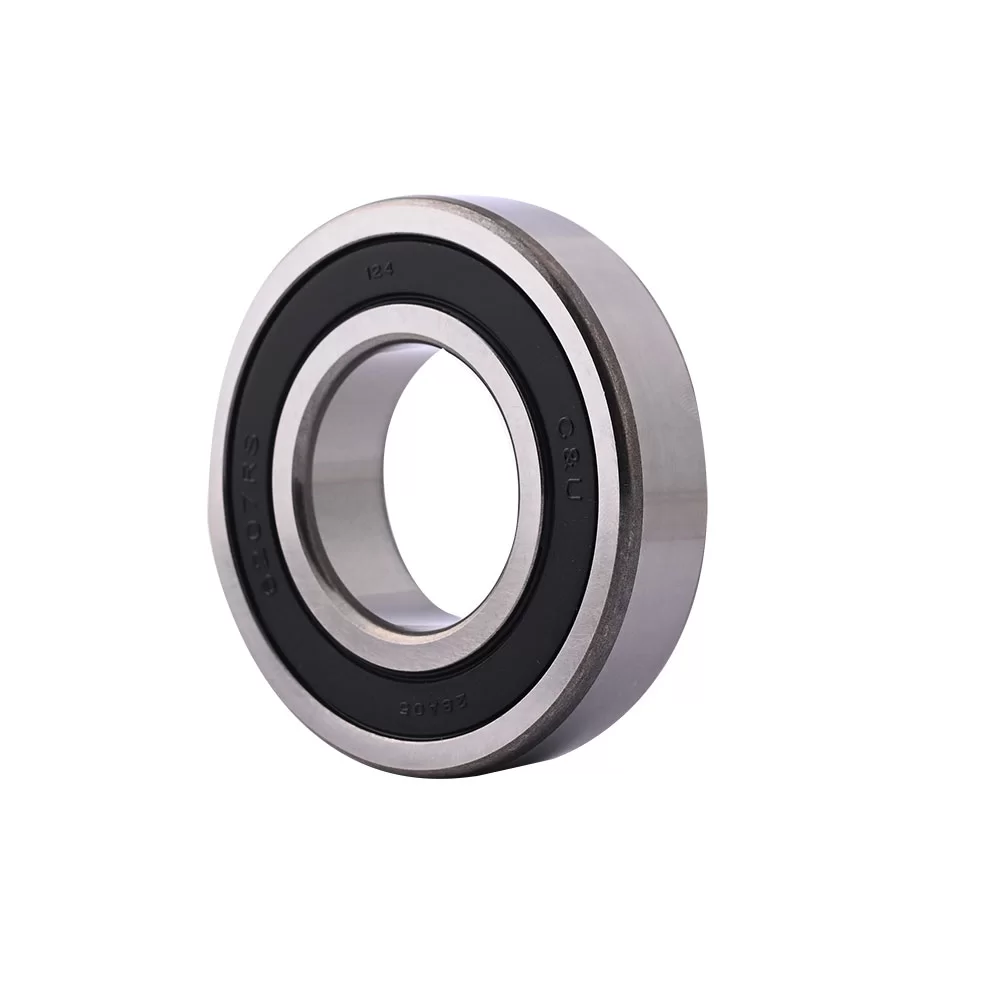
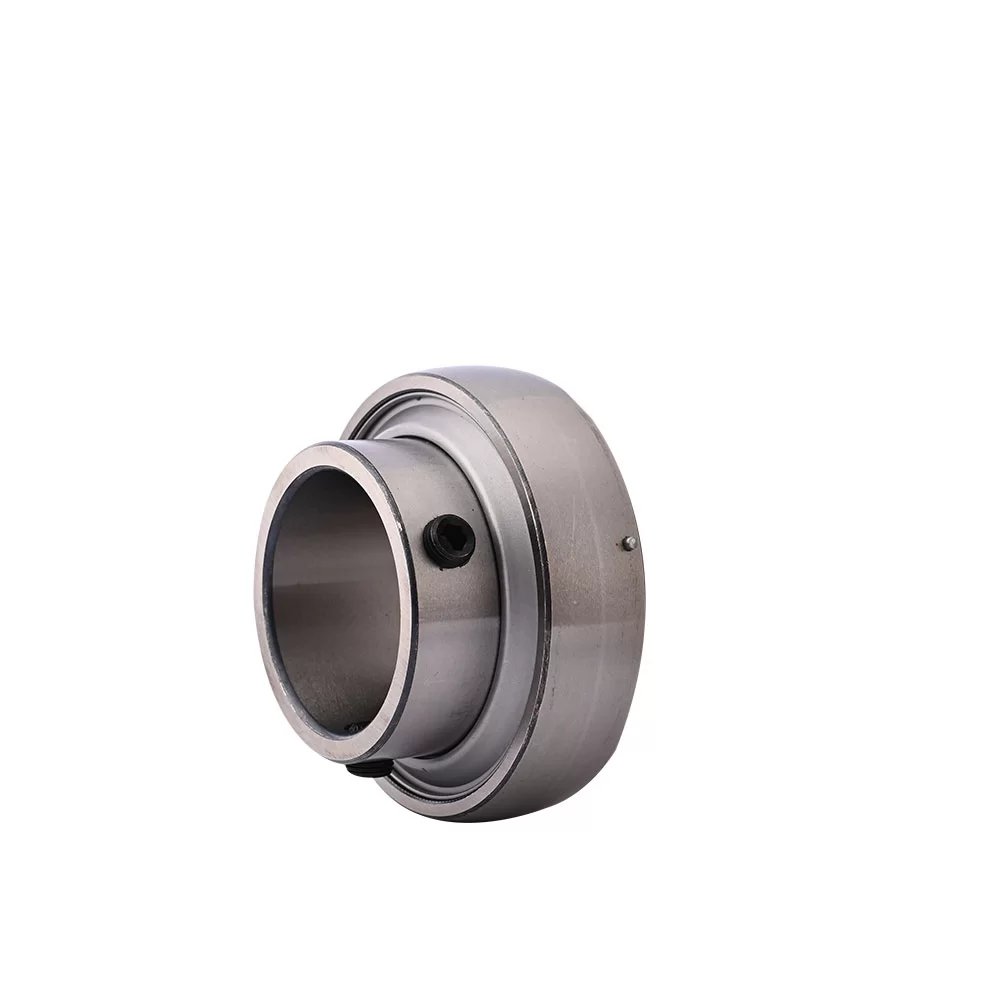
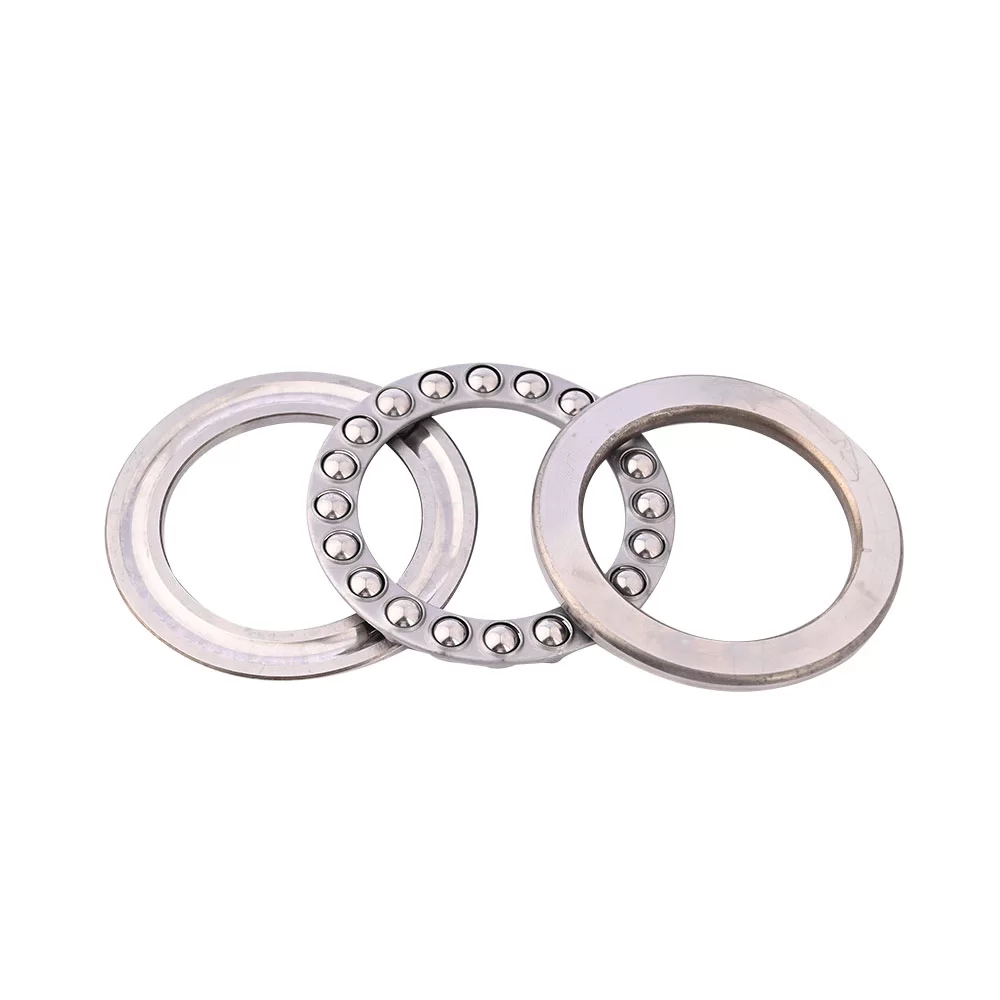
Tracing the Path from Traditional to Modern Bearing Systems.
Market Development History
Prior to the 1980s, bearing technology in Ghana was largely reliant on basic, imported ball bearings used primarily in agricultural machinery. Maintenance was often rudimentary, leading to frequent failures and downtime. This era was characterized by limited access to specialized bearing types.
The 1990s saw the introduction of more sophisticated roller bearings, driven by the growth of mining and construction industries. Local workshops began to emerge, providing basic repair and maintenance services. Demand for ball groove bearing increased with the need for more efficient power transmission.
From the 2000s onwards, globalization and increased foreign investment brought a wider range of bearing technologies to Ghana, including sealed bearings, precision bearings, and specialized bearings for specific applications. This period marked a shift towards preventative maintenance and a focus on extending bearing lifespan.
Future Development Trends
Smart Bearings and Condition Monitoring
The integration of sensors and data analytics into bearings is gaining traction globally. This allows for real-time monitoring of bearing condition, enabling predictive maintenance and reducing unplanned downtime. Google Trends shows growing searches for "bearing condition monitoring" in the African region.
Advanced Materials and Coatings
The development of new materials and coatings is enhancing bearing performance and durability, especially in harsh environments. Ceramic bearings and specialized coatings are becoming increasingly popular in demanding applications. Google Trends reflects increased interest in "ceramic bearings" and "bearing coatings".
Sustainable Bearing Solutions
There's a growing emphasis on environmentally friendly bearing solutions, including the use of biodegradable lubricants and the development of bearings with longer lifespans. Google Trends indicates rising searches for "eco-friendly bearings" globally.