
Understanding Self Aligning Linear Bearings for Precise Motion Control
Understanding Self Aligning Linear Bearings
Self aligning linear bearings are crucial components in various industrial applications, offering smooth and precise linear motion while accommodating misalignment. These bearings are designed to handle imperfections in the system, reducing stress on components and extending overall lifespan. Choosing the right self aligning linear bearing is vital for optimal performance and reliability. Hebei Bearings offers a comprehensive selection of high-quality self aligning linear bearings to meet diverse industry needs. Selecting the right bearing can be the difference between efficient operation and costly downtime.
What are Self Aligning Linear Bearings?
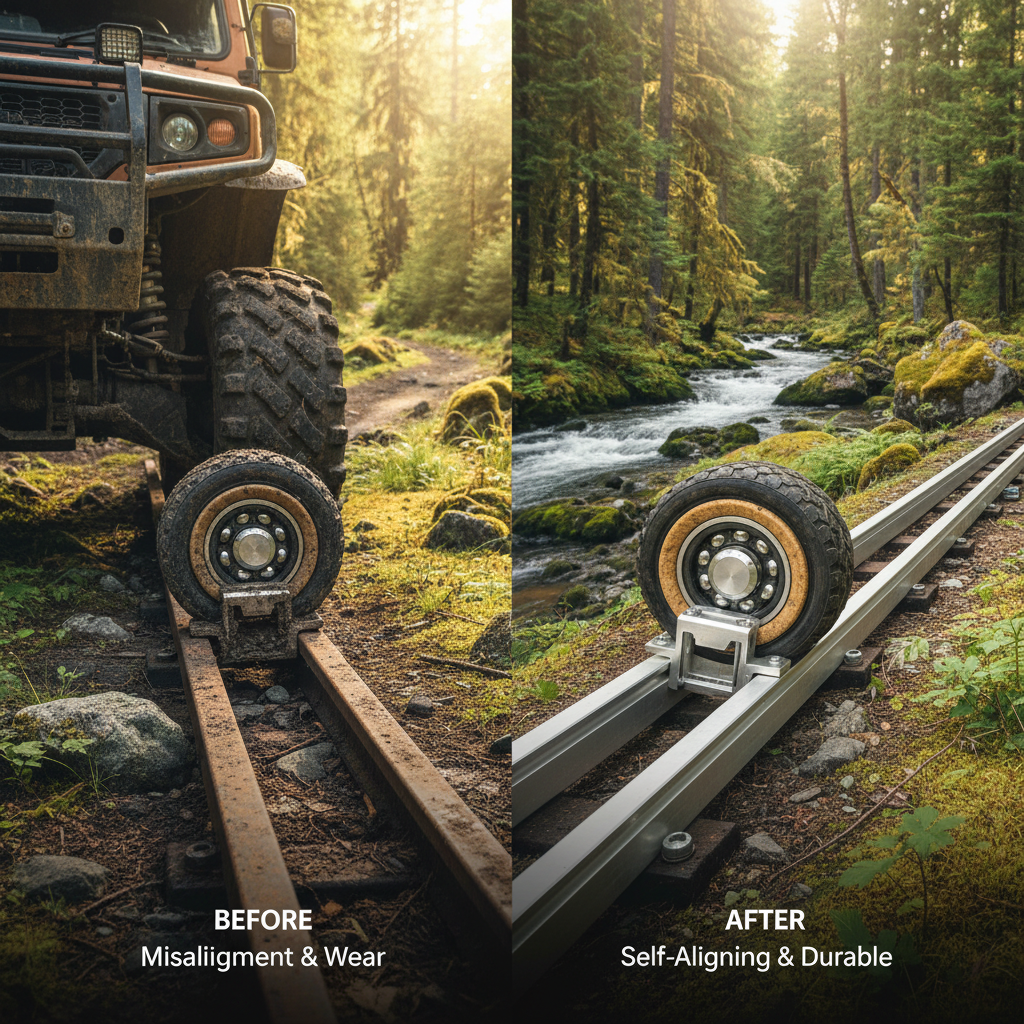
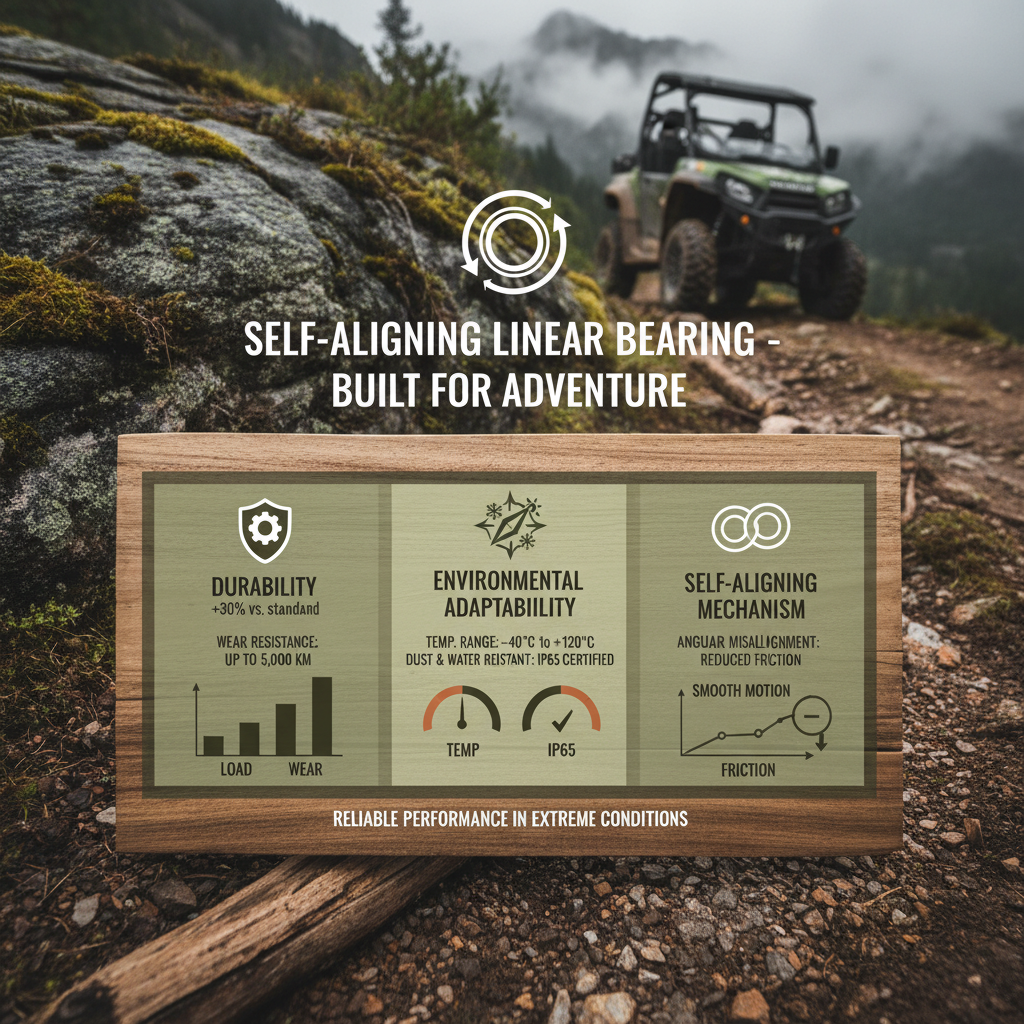
A self aligning linear bearing allows for angular misalignment between the bearing block and its mating surface. This is achieved through a spherical ball bearing housed within the bearing block. This design enables the bearing to compensate for errors in shaft alignment, preventing binding and ensuring smooth operation. Unlike traditional linear bearings, self aligning types don't require perfectly parallel mounting surfaces, simplifying installation and reducing the need for precise machining. This flexibility is a significant advantage in applications where maintaining perfect alignment is challenging. They are commonly used in automation, robotics, and precision machinery.
Key Benefits: Accommodates misalignment, reduces stress, simplifies installation, improves performance, extends bearing life.
Applications of Self Aligning Linear Bearings
These bearings find application across a broad spectrum of industries. In robotics, they enable smooth and precise movement of robotic arms and joints. Automated machinery utilizes them for accurate positioning and repetitive tasks. In the medical field, they are used in diagnostic equipment and surgical robots requiring high precision. Printing and packaging industries benefit from their ability to handle high-speed linear motion with consistent accuracy. Hebei Bearings provides solutions tailored to these diverse applications.
Common Applications:
• Robotics
• Automation Equipment
• Medical Devices
• Printing & Packaging Machinery
Self Aligning Linear Bearing vs. Traditional Linear Bearing
The primary difference between self aligning and traditional linear bearings lies in their ability to tolerate misalignment. Traditional linear bearings require precise alignment of the shaft and housing to function correctly; even minor misalignment can lead to increased friction, wear, and potential failure. Self aligning bearings, on the other hand, are designed to compensate for these misalignments, offering increased reliability and reducing maintenance requirements. This comes at a slightly higher cost, but the benefits in terms of performance and longevity often outweigh the initial investment.
Selecting the Right Self Aligning Linear Bearing
Choosing the correct self aligning linear bearing depends on factors like load capacity, speed requirements, operating environment, and the degree of misalignment expected. Consider the material of the bearing block and balls – stainless steel is preferred for corrosive environments. Also, assess the bearing's lubrication requirements and choose a type that aligns with your maintenance schedule. Hebei Bearings offers expert assistance in selecting the ideal bearing for your specific application.
Technical Specifications and Standards
Self aligning linear bearings generally adhere to industry standards for dimensions, materials, and load ratings. Commonly used materials include bearing steel, stainless steel, and engineered polymers. Load capacity is specified in both static and dynamic load ratings. Standards like ISO and DIN may apply, depending on the manufacturer and application. Ensure the bearing you choose meets the necessary safety and performance requirements for your industry.
Conclusion: Choosing the Right Bearing for Optimal Performance
Investing in high-quality self aligning linear bearings from a trusted supplier like Hebei Bearings ensures smooth, reliable, and efficient linear motion in your applications. Careful consideration of load requirements, operating environment, and misalignment tolerance is crucial for optimal performance and longevity. Don't compromise on quality when it comes to critical components.
Frequently Asked Questions (FAQs)
What is the maximum misalignment a self aligning linear bearing can accommodate?
The maximum misalignment capacity varies depending on the specific bearing design and manufacturer. However, most self aligning linear bearings can comfortably accommodate misalignments of between 3 to 5 degrees. Exceeding this limit can lead to reduced bearing life and performance. It’s crucial to consult the manufacturer’s specifications for the precise misalignment tolerance of the chosen bearing. Proper alignment, even with a self aligning bearing, is always best practice to minimize stress and maximize efficiency.
What type of lubrication is recommended for self aligning linear bearings?
The lubrication requirements depend on the operating conditions and bearing material. Generally, lithium-based grease is a common and effective choice for many self aligning linear bearings. For high-speed or high-temperature applications, synthetic lubricants may be more suitable. It’s important to avoid lubricants containing additives that could corrode the bearing materials. Regularly relubricating the bearing according to the manufacturer’s recommendations is crucial for maintaining optimal performance and extending its lifespan.
Can self aligning linear bearings be used in corrosive environments?
Yes, but it requires careful material selection. Stainless steel bearings are highly recommended for corrosive environments as they offer excellent resistance to rust and corrosion. The cage material should also be chosen for its resistance to the specific corrosive agents present. Regular cleaning and inspection are also important to prevent corrosion buildup. Hebei Bearings offers a range of stainless steel self aligning linear bearings specifically designed for harsh environments.
What are the advantages of using a spherical ball within the bearing block?
The spherical ball at the heart of a self aligning linear bearing is the key to its misalignment tolerance. This design allows the bearing block to rotate slightly within its housing, compensating for angular errors between the shaft and the mounting surface. This reduces stress on the bearing and shaft, minimizes friction, and ensures smooth, consistent linear motion. It effectively distributes the load evenly across the bearing surfaces, enhancing overall durability and performance.