
Comprehensive Guide to Self Aligning Ball Bearing Selection and Applications
Understanding Self Aligning Ball Bearings: A Comprehensive Guide
Self aligning ball bearings are critical components in various industrial applications, known for their ability to tolerate misalignments. These bearings are designed to reduce friction and support radial loads, even when the shaft and housing aren’t perfectly aligned. This article will explore the features, benefits, applications, and considerations when selecting self aligning ball bearings. Understanding these bearings is key to optimizing machine performance and minimizing downtime.

Key Features of Self Aligning Ball Bearings
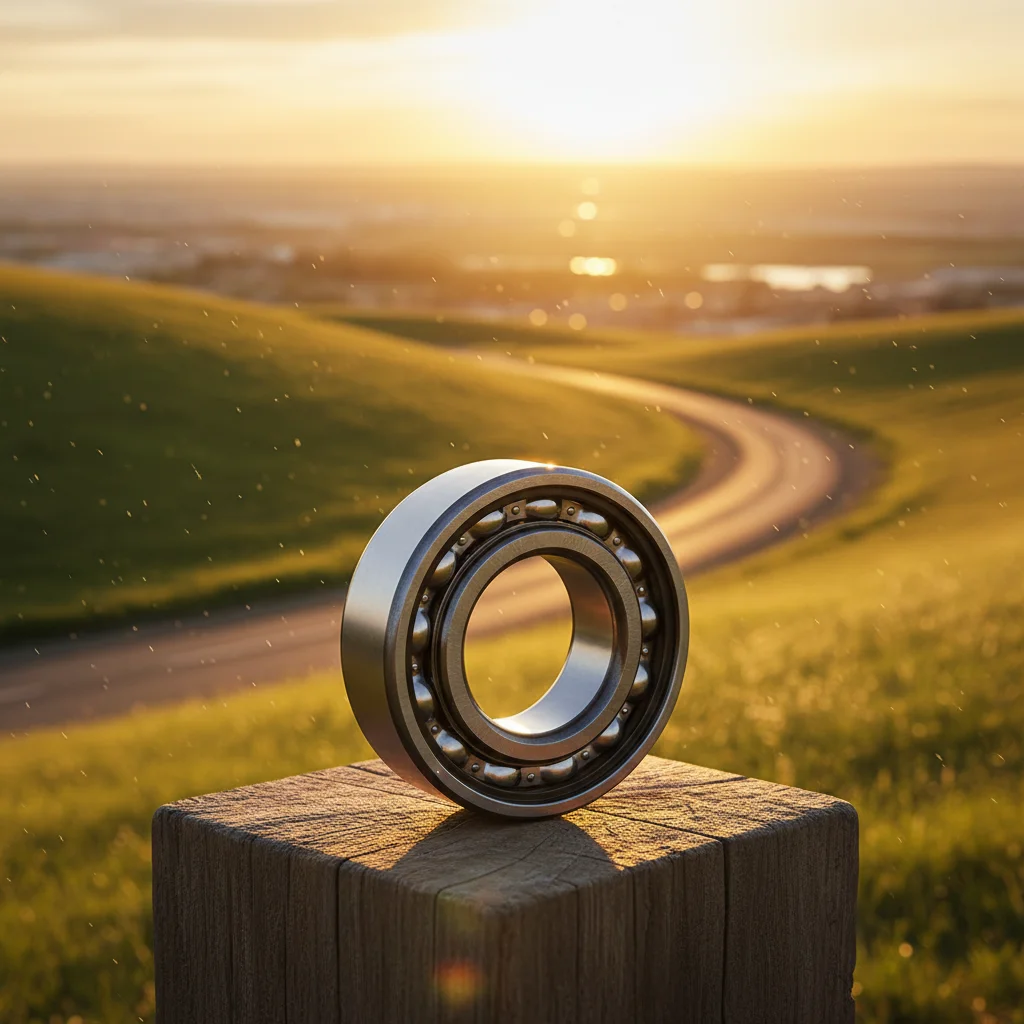
The primary advantage of a self aligning ball bearing is its spherical outer ring, which allows the bearing to accommodate angular misalignment. This feature is particularly valuable in applications where precise alignment is difficult to achieve or where shaft deflection occurs during operation. They generally consist of two rows of balls, a spherical outer ring, and a cylindrical inner ring. The inner ring is mounted on the shaft, while the outer ring is mounted in the housing. Hebei Bearings offers a wide range of these bearings tailored to specific industrial needs.
Key Highlights: Spherical outer ring accommodates angular misalignment. Designed for moderate radial loads. Suitable for applications with shaft deflection.
Applications of Self Aligning Ball Bearings
Self aligning ball bearings find extensive use across diverse industries. They are commonly found in agricultural machinery, textile machinery, paper mills, and conveyors. They are ideal for applications where shaft misalignment is a concern, such as in machinery operating in harsh environments or subject to heavy loads. Another key application is in electrical motors, where they ensure smooth and reliable operation despite potential misalignment. Their ability to handle moderate radial loads makes them versatile for various rotating equipment.
Common Applications:
• Agricultural Machinery
• Textile Machinery
• Paper Mills
• Conveyors
Self Aligning Ball Bearings vs. Other Bearing Types
While numerous bearing types exist, self aligning ball bearings distinguish themselves with their misalignment capability. Compared to deep groove ball bearings, they can tolerate greater angular misalignments. Compared to spherical roller bearings, they generally have lower load capacity but are more suitable for higher speeds. Selecting the right bearing type depends on the specific application requirements, considering factors like load, speed, misalignment, and operating environment. Consulting with bearing specialists at Hebei Bearings can help determine the optimal solution for your needs.
Selecting the Right Self Aligning Ball Bearing
Choosing the correct self aligning ball bearing involves considering several factors. Load capacity, speed requirements, operating temperature, and the degree of misalignment are all crucial. It's essential to review the bearing specifications and ensure they align with your application's demands. Consider the type of lubricant required and the environmental conditions, such as exposure to dust or moisture. Hebei Bearings provides detailed product data and expert guidance to help you make the right selection.
Maintenance and Longevity
Proper maintenance is crucial for maximizing the lifespan of self aligning ball bearings. Regular lubrication is essential to reduce friction and wear. Monitor the bearing for signs of damage, such as unusual noise or vibration. Ensure the mounting surfaces are clean and free of debris before installation. Avoid overloading the bearing, as this can lead to premature failure. Following these guidelines will help ensure reliable operation and prolong the life of your bearings. Hebei Bearings offers lubricants and maintenance guides to support optimal bearing performance.
Conclusion: Optimizing Performance with Self Aligning Ball Bearings
Self aligning ball bearings are indispensable components for numerous industrial applications, offering reliability and performance even in challenging conditions. By understanding their features, applications, and maintenance requirements, you can optimize your machinery's efficiency and minimize downtime. Choose Hebei Bearings for high-quality self aligning ball bearings and expert support.
Frequently Asked Questions (FAQs)
What is the maximum misalignment a self aligning ball bearing can tolerate?
Self aligning ball bearings can typically accommodate a misalignment of up to 2-3 degrees. However, the permissible misalignment angle can vary depending on the bearing's size, load, and speed. Exceeding the recommended misalignment can lead to premature bearing failure. It's crucial to consult the manufacturer's specifications for the specific bearing model. Hebei Bearings provides detailed technical documentation to help you determine the appropriate misalignment limits for your application.
What type of lubricant should I use with self aligning ball bearings?
The appropriate lubricant depends on the operating conditions, including speed, temperature, and load. Lithium-based greases are commonly used for moderate speed and load applications. For high-speed applications, oil lubrication may be preferred. Synthetic lubricants offer superior performance in extreme temperatures and can extend bearing life. Always refer to the bearing manufacturer's recommendations for specific lubricant types and viscosity grades. Hebei Bearings offers a range of compatible lubricants designed for optimal performance.
How do I install a self aligning ball bearing correctly?
Proper installation is critical for ensuring the bearing's performance and longevity. Ensure the mating surfaces are clean, smooth, and free of debris. Avoid using excessive force during installation, as this can damage the bearing. Use appropriate tools, such as bearing heaters or hydraulic presses, for mounting. Verify that the shaft and housing are properly aligned before installing the bearing. Hebei Bearings provides detailed installation guides and technical support to assist with proper installation procedures.
What are the benefits of using self aligning ball bearings in conveyors?
Self aligning ball bearings are ideal for conveyor applications because they can tolerate the slight misalignments that often occur due to belt stretch, uneven loading, and structural flexing. This tolerance reduces stress on the bearing, minimizing wear and extending its service life. They also contribute to smoother conveyor operation and reduced noise levels. Hebei Bearings offers specialized conveyor bearing solutions designed for optimal performance and reliability.