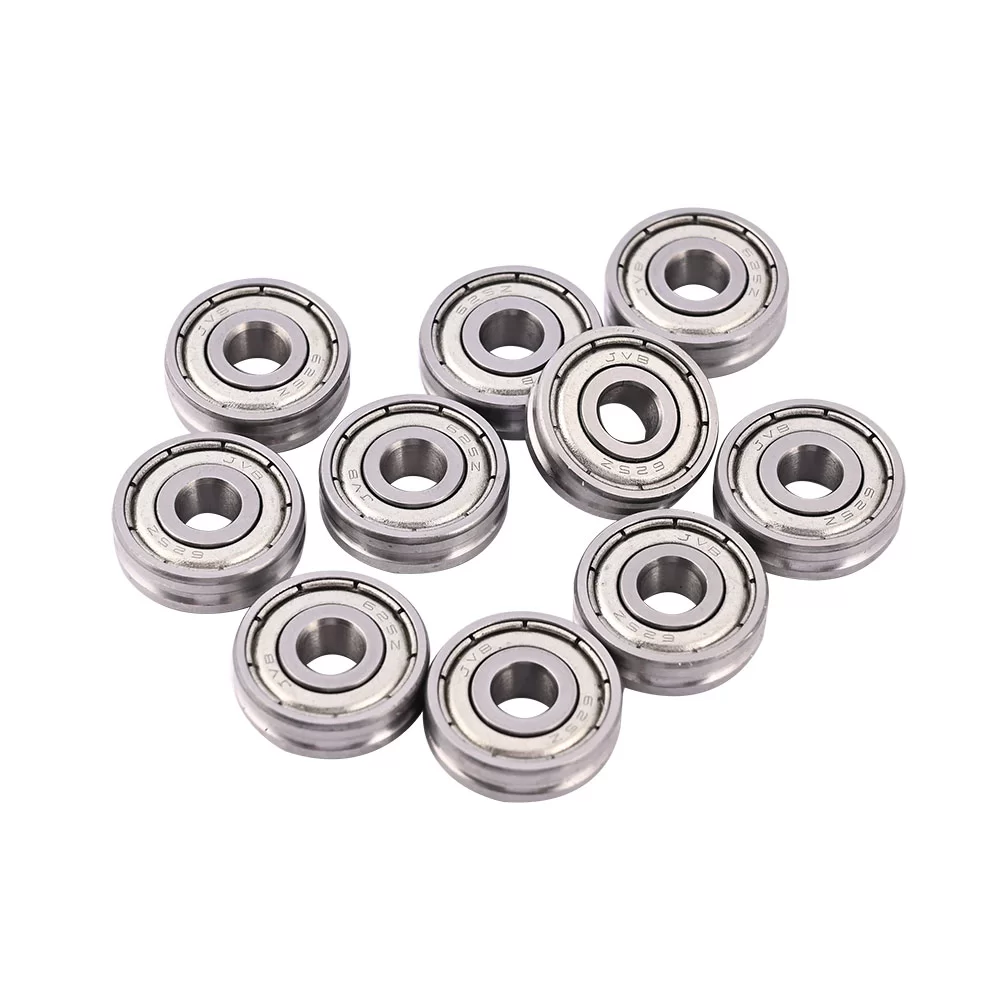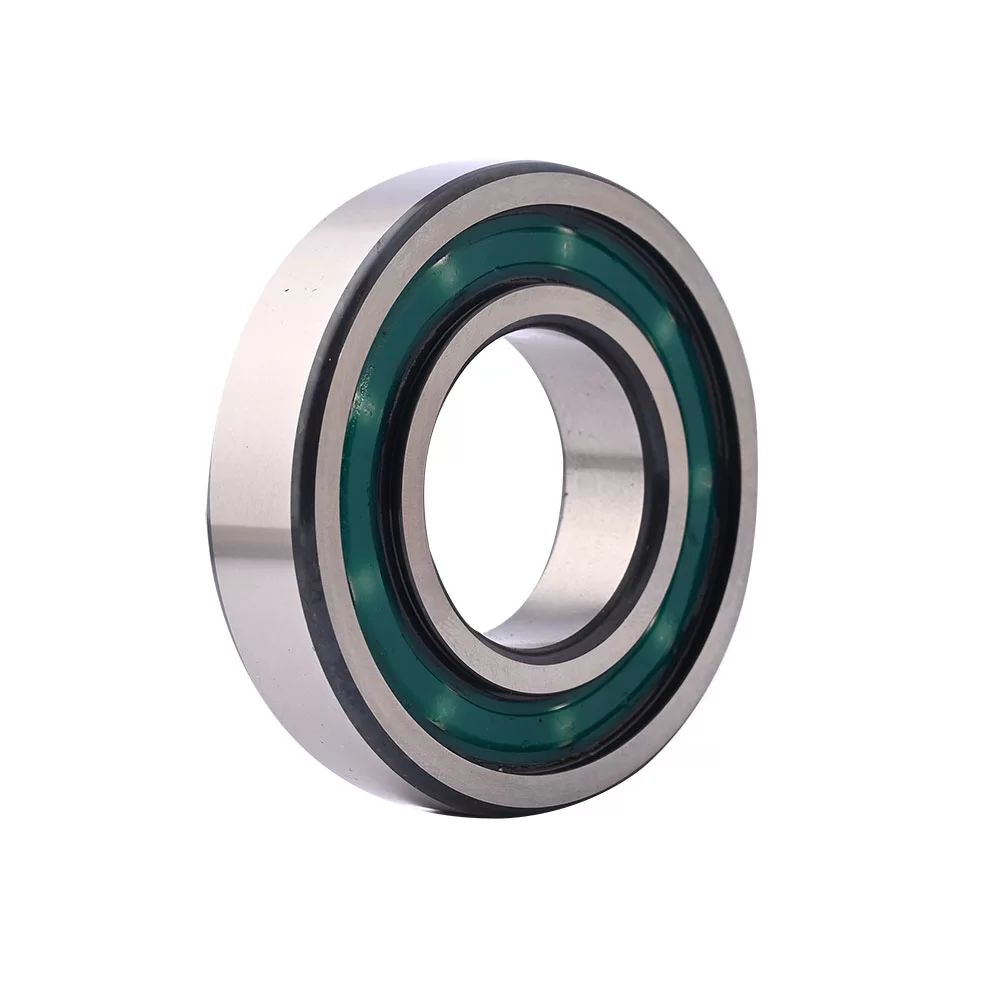

Understanding Self Adjusting Bearings for Optimal Machinery Performance
Understanding Self Adjusting Bearings: A Comprehensive Guide
Self adjusting bearings are crucial components in many industrial applications, offering reliability and minimizing maintenance needs. These bearings are designed to automatically compensate for axial play, ensuring consistent performance and extending the lifespan of machinery. At Hebei Bearings, we specialize in providing high-quality self adjusting bearings for a wide range of industries. This article will explore the benefits, types, applications, and selection criteria for these essential mechanical elements. Choosing the right self adjusting bearing can significantly improve the efficiency and longevity of your equipment.

What are Self Adjusting Bearings?
Self adjusting bearings, also known as self-aligning bearings, are a type of rolling-element bearing capable of operating in misaligned conditions. This unique characteristic makes them ideal for applications where shaft deflection or mounting inaccuracies may occur. The bearing's design incorporates a spherical outer race that allows the bearing to accommodate angular misalignment without significantly increasing friction or load. This built-in adjustment reduces stress on both the bearing and the surrounding components, leading to extended service life and reduced downtime. These bearings are commonly used in heavy machinery, gearboxes, and applications requiring high load capacity and misalignment tolerance. You can find a diverse selection of these bearings at our online catalog.
Key Benefit: Automatic compensation for axial play and misalignment, reducing maintenance and prolonging equipment life.
Types of Self Adjusting Bearings
Several types of self adjusting bearings are available, each designed for specific applications and load requirements. The most common types include spherical roller bearings and self-aligning ball bearings. Spherical roller bearings are designed for heavy loads and can tolerate significant misalignment, while self-aligning ball bearings are suitable for moderate loads and higher speeds. Other variations include cylindrical self-aligning roller bearings. Understanding the specific characteristics of each type is crucial for selecting the optimal bearing for your application. Hebei Bearings offers a comprehensive range of these bearing types, with detailed specifications available online.
Bearing Type Comparison:
• Spherical Roller Bearings: High load capacity, excellent misalignment tolerance.
• Self-Aligning Ball Bearings: Moderate load capacity, higher speed capability.
• Cylindrical Self-Aligning Roller Bearings: Good for shock loads, moderate misalignment tolerance.
Self Adjusting Bearing Applications
Self adjusting bearings find application in a wide array of industries and machinery. Common applications include:
- Heavy Machinery: Excavators, bulldozers, and cranes rely on these bearings to withstand heavy loads and misalignments.
- Gearboxes: Used to support shafts and reduce friction in gear transmission systems.
- Mining Equipment: The harsh operating conditions in mining require bearings that can tolerate significant loads and contaminants.
- Paper Mills: Applications involving rollers and rotating components benefit from the self-aligning capabilities.
- Rolling Mills: Support for heavily loaded rolls subjected to dynamic conditions.
Selecting the Right Self Adjusting Bearing
Choosing the correct self adjusting bearing requires careful consideration of several factors:
Load Capacity: Determine the radial and axial loads the bearing will be subjected to.
Misalignment: Assess the degree of misalignment that needs to be accommodated.
Speed: Consider the rotational speed of the application.
Operating Environment: Factor in temperature, contaminants, and lubrication requirements.
Bearing Type: Select the bearing type (spherical roller, self-aligning ball, etc.) that best suits the application's needs. Our expert team at Hebei Bearings can help you navigate these considerations and select the optimal bearing for your specific application.

Maintenance and Longevity
While self adjusting bearings minimize maintenance, proper care is essential for maximizing their lifespan. Regular lubrication is critical, ensuring smooth operation and reducing friction. Inspect bearings periodically for signs of wear or damage, such as cracks, corrosion, or excessive play. Proper mounting and alignment also contribute to bearing longevity. Following the manufacturer's recommendations for installation and maintenance will help prevent premature failure. Hebei Bearings provides detailed product information and support to help you maintain your bearings effectively.
Conclusion: Invest in Reliability with Self Adjusting Bearings
Self adjusting bearings offer a robust and reliable solution for a wide range of industrial applications. By choosing the right bearing and implementing proper maintenance practices, you can minimize downtime, improve efficiency, and extend the lifespan of your equipment. Hebei Bearings is your trusted partner for high-quality bearings and expert support.
Frequently Asked Questions (FAQs)
What are the benefits of using self adjusting bearings over traditional bearings?
Self adjusting bearings offer several advantages over traditional bearings, primarily their ability to accommodate misalignment. This reduces stress on the bearing and surrounding components, extending their lifespan and minimizing downtime. They also require less maintenance due to their automatic adjustment capabilities. While traditional bearings may be suitable for applications with precise alignment, self adjusting bearings excel in environments where misalignment is inevitable, such as heavy machinery or applications subject to vibration and deflection.
How do I determine the correct load rating for a self adjusting bearing?
Determining the correct load rating is crucial for ensuring the bearing's longevity and performance. You'll need to consider both the radial load (perpendicular to the shaft) and the axial load (parallel to the shaft). Calculate the maximum loads the bearing will experience during operation. Consult bearing catalogs or online resources to find bearings with a dynamic load rating (C) and a static load rating (Co) that exceeds your calculated loads. It's recommended to select a bearing with a safety factor to account for shock loads or unexpected variations.
What type of lubrication is recommended for self adjusting bearings?
The appropriate lubrication depends on the operating conditions and the bearing type. Generally, lithium-based greases are commonly used for self adjusting bearings due to their excellent load-carrying capacity and resistance to water contamination. Synthetic greases are preferred for high-temperature applications or environments where extended relubrication intervals are desired. Refer to the bearing manufacturer's recommendations for specific lubrication guidelines. Proper lubrication is essential for reducing friction, preventing wear, and dissipating heat.
Can self adjusting bearings be used in corrosive environments?
While self adjusting bearings offer good durability, corrosive environments can significantly reduce their lifespan. For applications exposed to corrosive substances, consider using bearings made from stainless steel or other corrosion-resistant materials. Additionally, using appropriate seals and lubrication can help protect the bearing from contaminants. Regular inspection and maintenance are crucial in corrosive environments to identify and address any signs of corrosion before they lead to failure.