
Comprehensive Guide to External Self Aligning Ball Bearing Selection and Applications
Understanding External Self Aligning Ball Bearings
External self aligning ball bearings are crucial components in numerous industrial applications, offering versatility and reliability. These bearings are designed to accommodate angular misalignment, making them ideal for situations where precise alignment isn’t possible or where shaft deflection occurs. They provide smooth, efficient rotation while handling moderate radial and axial loads. This article will explore the features, benefits, applications, and key considerations when selecting an external self aligning ball bearing. Understanding these bearings will empower you to make informed decisions for your specific needs.
Key Features of External Self Aligning Ball Bearings
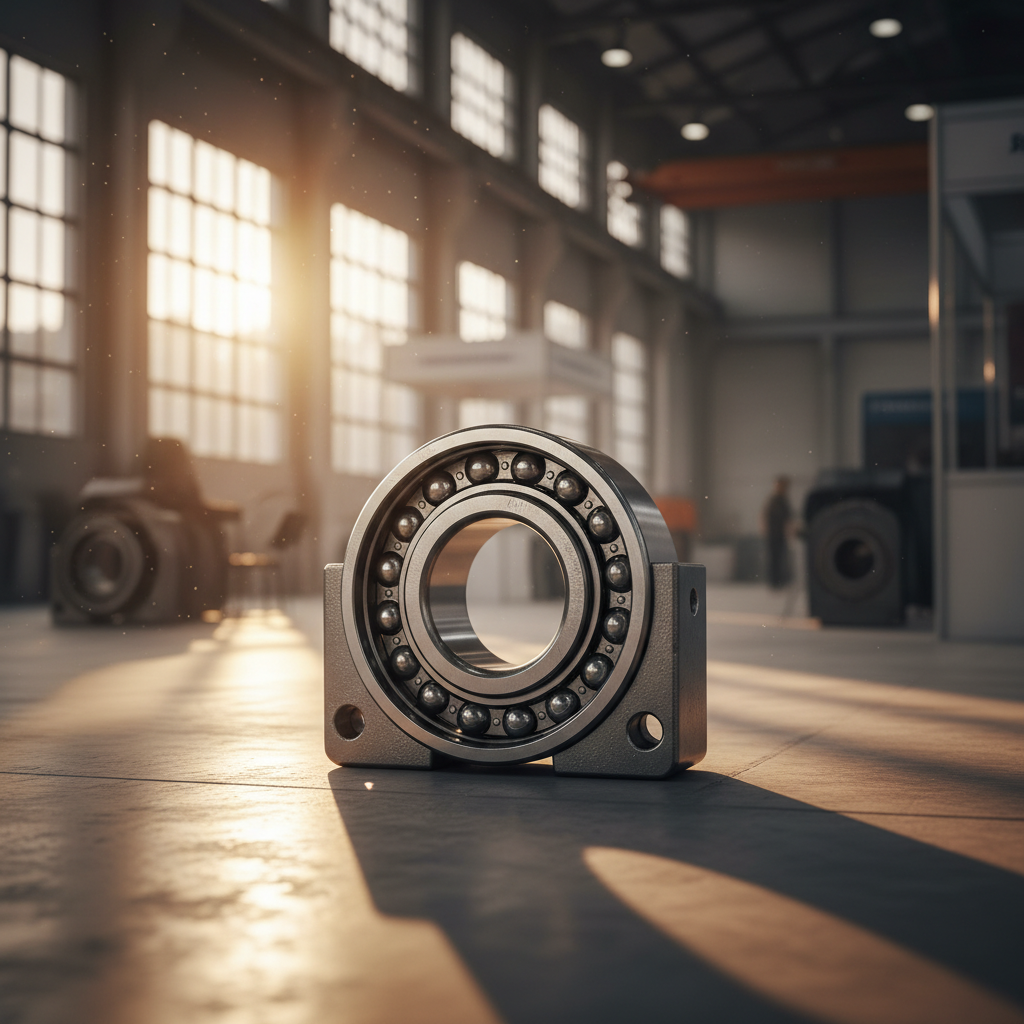
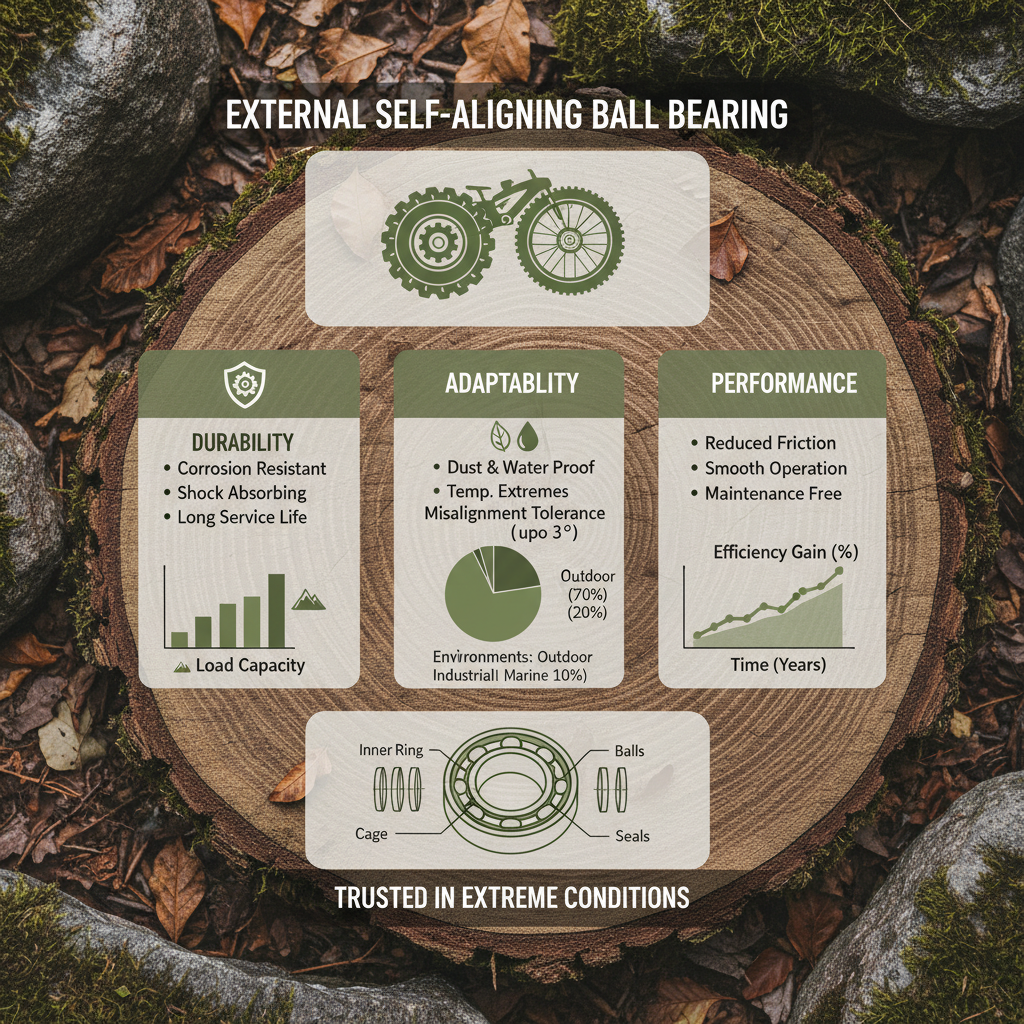
The defining characteristic of these bearings is their ability to tolerate angular misalignment. This is achieved through a spherical outer ring that allows the bearing to self-align, compensating for errors in shaft alignment or housing bore. They typically feature two rows of balls and are available with or without a cage (separator). The load capacity is moderate, making them suitable for various applications. Their design also minimizes friction, contributing to efficient operation and reduced energy consumption. Hebei Bearings offers a wide selection of these bearings to meet diverse industrial requirements.
Key Highlights: Self-aligning capability, moderate load capacity, reduced friction, versatility in applications.
How External Self Aligning Ball Bearings Handle Misalignment
Misalignment is a common issue in rotating machinery, often caused by manufacturing tolerances, installation errors, or shaft deflection under load. Standard ball bearings are sensitive to misalignment, which can lead to premature failure. External self aligning ball bearings excel in these situations. The spherical outer ring pivots within the housing bore, allowing the bearing to adjust to the shaft's position. This self-aligning feature reduces stress on the bearing components, extending its service life and minimizing noise and vibration. Properly selecting the appropriate bearing size and type for the anticipated misalignment is critical for optimal performance.
Misalignment Benefits:
• Reduced stress on bearing components
• Extended bearing service life
• Minimized noise and vibration
• Improved overall machine reliability
External Self Aligning Ball Bearing vs. Deep Groove Ball Bearing: A Comparison
While both deep groove ball bearings and external self aligning ball bearings are used for radial loads, they differ significantly in their ability to handle misalignment. Deep groove ball bearings require precise alignment, whereas self-aligning bearings can accommodate angular misalignment. The trade-off is that self-aligning bearings typically have a slightly lower load capacity than comparable deep groove bearings. The following table summarizes the key differences:
Common Applications of External Self Aligning Ball Bearings
These bearings find wide use in various industries. Some common applications include: agricultural machinery (combines, tractors), textile machinery, paper mills, gearboxes, mining equipment, and printing presses. They're particularly well-suited for applications where shaft misalignment is expected or where the housing bore is difficult to machine with high precision. Hebei Bearings provides solutions for these diverse requirements.
Selecting the Right External Self Aligning Ball Bearing
Choosing the correct external self aligning ball bearing requires careful consideration of several factors. Load requirements (radial and axial), operating speed, expected misalignment angle, and environmental conditions are all crucial. Consulting with a bearing specialist can help ensure you select the optimal bearing for your specific application. Factors such as cage material (steel, brass, nylon) and lubrication type should also be considered.
Conclusion: Choosing Reliability with Self Aligning Ball Bearings
External self aligning ball bearings are a valuable solution for applications requiring accommodation of misalignment. Their robust design and versatility make them essential components in a wide range of industries. By understanding their features, benefits, and proper selection criteria, you can optimize performance and ensure long-term reliability. For high-quality bearings and expert advice, visit Hebei Bearings today.
Frequently Asked Questions (FAQs)
What is the maximum allowable misalignment angle for these bearings?
The maximum allowable misalignment angle depends on the bearing size and load. Generally, self aligning ball bearings can accommodate up to 2-3 degrees of misalignment. Exceeding this limit can reduce bearing life and performance. It’s crucial to consult the bearing manufacturer’s specifications for precise limits applicable to your specific bearing. Factors like operating speed and load also influence the acceptable misalignment angle. Improper installation can also exacerbate misalignment issues.
What type of lubrication is recommended for external self aligning ball bearings?
The recommended lubrication depends on the operating conditions, including speed, temperature, and load. Common choices include lithium-based greases, mineral oils, and synthetic oils. For high-speed applications, oil lubrication is often preferred due to its superior cooling properties. Regular relubrication is essential to maintain optimal performance and prevent premature failure. Refer to the bearing manufacturer's guidelines for specific lubrication recommendations.
Are self aligning ball bearings suitable for high-speed applications?
While these bearings can operate at moderate speeds, they are generally not recommended for extremely high-speed applications. Their internal design and greater clearances compared to deep groove ball bearings can lead to instability at very high speeds. For high-speed applications, other bearing types, such as angular contact ball bearings or cylindrical roller bearings, are often more suitable. However, with proper lubrication and design considerations, self-aligning bearings can be used in some moderate-speed applications.
How do I determine the correct bearing size for my application?
Determining the correct bearing size involves considering several factors, including the shaft diameter, housing bore, radial load, axial load, and operating speed. You'll need to calculate the required dynamic and static load ratings based on your application's requirements. Bearing manufacturers provide catalogs and online tools to help you select the appropriate bearing size. Consulting with a bearing specialist is highly recommended, especially for complex applications. Proper sizing is crucial for ensuring bearing performance and longevity.