
Comprehensive Guide to Aligning Ball Bearing Selection and Applications
Understanding Aligning Ball Bearings: A Comprehensive Guide
Aligning ball bearings are crucial components in numerous industrial applications, renowned for their ability to accommodate misalignment. This article provides an in-depth look at aligning ball bearings, covering their function, types, advantages, applications, and selection criteria. Understanding these bearings is essential for engineers and professionals involved in rotating machinery and power transmission. Hebei Bearings offers a comprehensive range of high-quality aligning ball bearings to meet diverse industrial needs.
What are Aligning Ball Bearings?
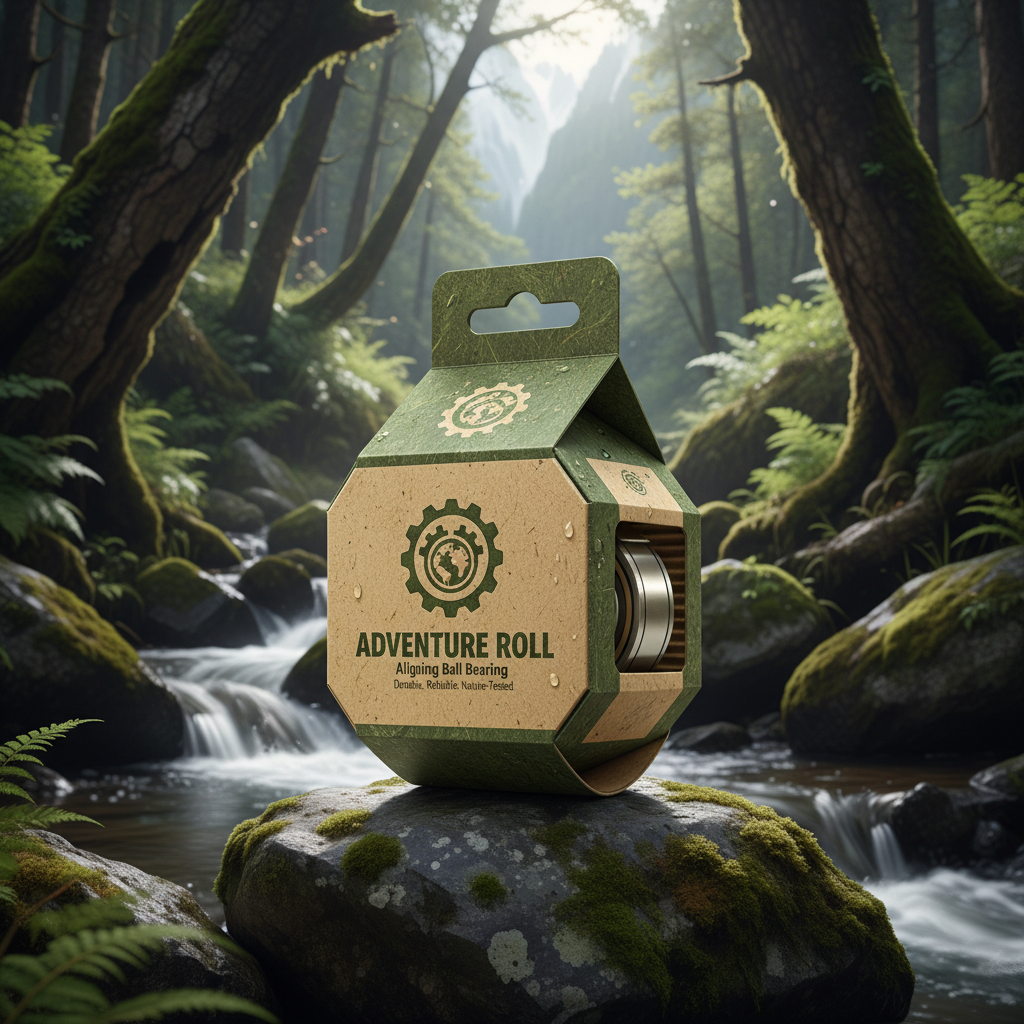
Aligning ball bearings are specifically designed to operate in applications where there's a potential for shaft misalignment. Unlike standard ball bearings, they have a spherical raceway in the outer ring, allowing the bearing to self-align. This unique feature reduces stress on the bearing and shaft, extending the lifespan of both components. These bearings are often used in applications where precise alignment is difficult to achieve or maintain, or where shaft deflection is expected. Explore our aligning ball bearing selection to find the perfect fit for your application.
Key Benefit: Accommodates angular misalignment, reducing stress and extending component life.
Types of Aligning Ball Bearings
There are several types of aligning ball bearings, each suited for specific application requirements. The most common types include:
Spherical Ball Bearings: These feature a spherical outer ring and are capable of handling significant misalignment.
Self-Aligning Ball Bearings: These bearings are designed for applications with moderate misalignment.
Double Row Aligning Ball Bearings: These provide increased load-carrying capacity and misalignment correction.
Understanding the nuances of each type ensures optimal performance and longevity of your machinery. Contact us to discuss your specific application needs.
Key Types:
• Spherical Ball Bearings
• Self-Aligning Ball Bearings
• Double Row Aligning Ball Bearings
Aligning Ball Bearing Applications
Aligning ball bearings find applications across a wide spectrum of industries. Some prominent examples include:
Agricultural Machinery: Combines, tractors, and harvesters often experience shaft misalignment due to uneven terrain.
Paper Mills: Paper machines are prone to misalignment because of the weight of the rolls and the process itself.
Textile Machinery: High-speed textile equipment benefits from the reduced vibration and wear offered by these bearings.
Mining Equipment: Heavy-duty mining machinery requires robust bearings capable of handling harsh conditions and misalignment.
Choosing the correct aligning ball bearing ensures efficient operation and reduced maintenance costs. Hebei Bearings provides solutions tailored to these diverse industrial requirements.
Selecting the Right Aligning Ball Bearing
Choosing the appropriate aligning ball bearing involves considering several key factors:
Misalignment Angle: Determine the maximum expected misalignment.
Load Capacity: Ensure the bearing can handle the radial and axial loads.
Speed Requirements: Select a bearing suitable for the operating speed.
Operating Environment: Consider factors like temperature, corrosion, and contamination.
Lubrication: Choose the appropriate lubrication method for optimal performance.
Hebei Bearings offers expert guidance to help you select the best bearing for your application.
Conclusion: Enhancing Reliability with Aligning Ball Bearings
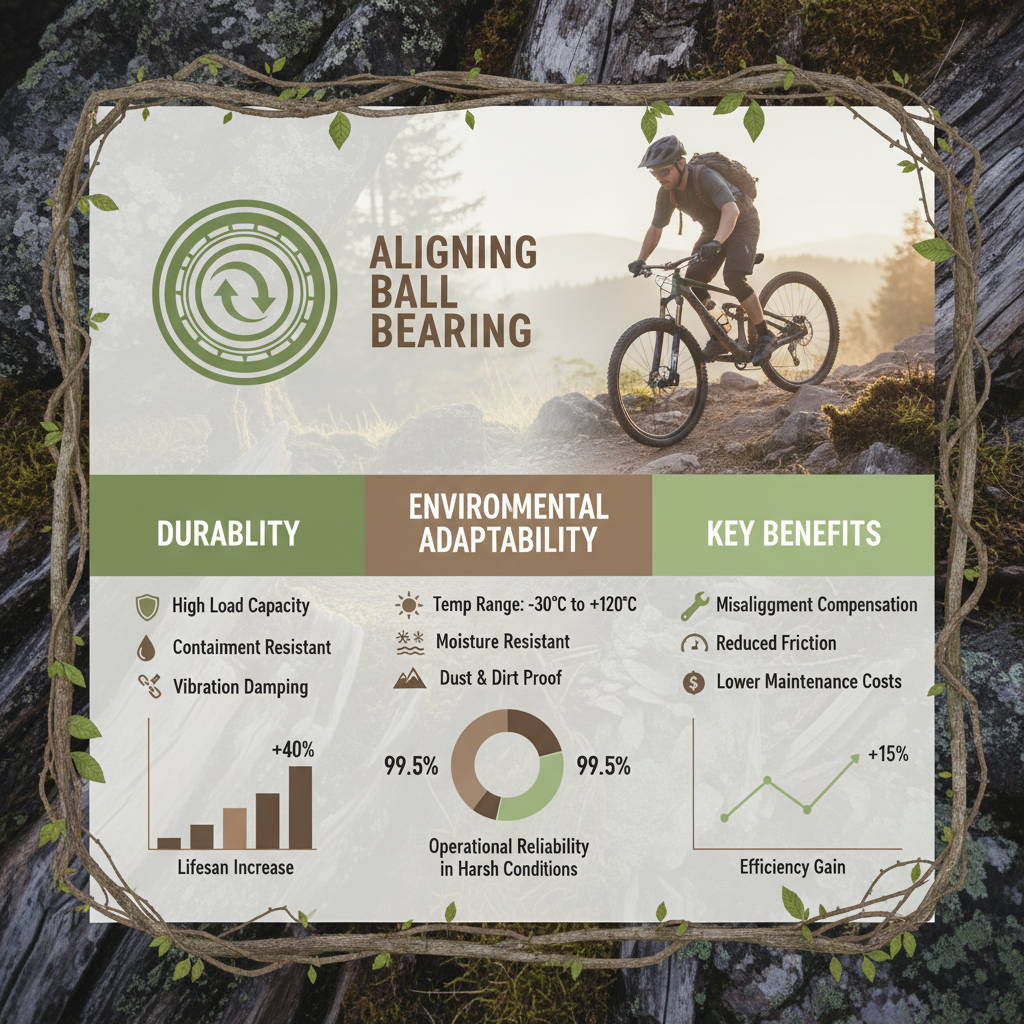
Investing in high-quality aligning ball bearings from Hebei Bearings is a proactive step towards ensuring the reliability and longevity of your machinery. By accommodating misalignment and reducing stress on critical components, these bearings contribute to lower maintenance costs and increased operational efficiency. Choose wisely, and benefit from the smooth, dependable performance they provide.
Frequently Asked Questions (FAQs)
What is the typical lifespan of an aligning ball bearing?
The lifespan of an aligning ball bearing varies depending on several factors, including load, speed, lubrication, and operating environment. Generally, with proper installation and maintenance, these bearings can last for several years. However, regular inspections are crucial to identify potential issues like wear, corrosion, or contamination. Replacing the bearing when signs of damage appear is recommended to prevent catastrophic failures and ensure continued reliability. Contact Hebei Bearings for expert advice on bearing maintenance and replacement.
Can aligning ball bearings be used in high-speed applications?
While aligning ball bearings can be used in high-speed applications, it’s essential to select a bearing specifically designed for those conditions. Factors like bearing material, cage type, and lubrication method play a crucial role in determining the maximum operating speed. Generally, self-aligning ball bearings are not as well-suited for very high speeds as some other bearing types. It’s important to consult the manufacturer's specifications and guidelines to ensure the chosen bearing is appropriate for the intended application. Hebei Bearings can help you choose the right bearing for your speed requirements.
What type of lubrication is recommended for aligning ball bearings?
The recommended lubrication for aligning ball bearings depends on the operating conditions, speed, and temperature. Commonly used lubricants include lithium-based greases, mineral oils, and synthetic oils. Grease is often preferred for its long-lasting properties and ability to seal out contaminants. Regular relubrication is essential to maintain proper lubrication and prevent bearing failure. The specific lubrication requirements are typically outlined in the bearing manufacturer's documentation. Hebei Bearings can provide guidance on selecting the optimal lubricant for your application.