
Understanding Precision Bearing Technology for Optimal Machinery Performance
Understanding Precision Bearings: A Comprehensive Guide
In the world of machinery and engineering, the reliability and performance of components are paramount. A critical element often overlooked, yet fundamental to smooth operation, is the precision bearing. These seemingly simple components are integral to countless applications, from automotive systems to aerospace technology. This article will delve into the world of precision bearings, covering their types, applications, factors influencing their selection, and why choosing a trusted supplier like Hebei Bearings is essential for optimal results.

What Defines a Precision Bearing?
A precision bearing isn’t merely a bearing; it's a component engineered to exacting tolerances and high standards of quality. Unlike standard bearings, precision bearings are manufactured with tighter dimensional controls, superior surface finishes, and often utilize higher-grade materials. This results in reduced friction, lower noise levels, increased load capacity, and extended service life. They are designed for applications demanding consistent performance and minimal wear, making them ideal for high-speed, high-precision equipment.
Key Highlights: Precision bearings boast tighter tolerances, superior surface finishes, and often utilize higher-grade materials for reduced friction and extended lifespan.
Types of Precision Bearings
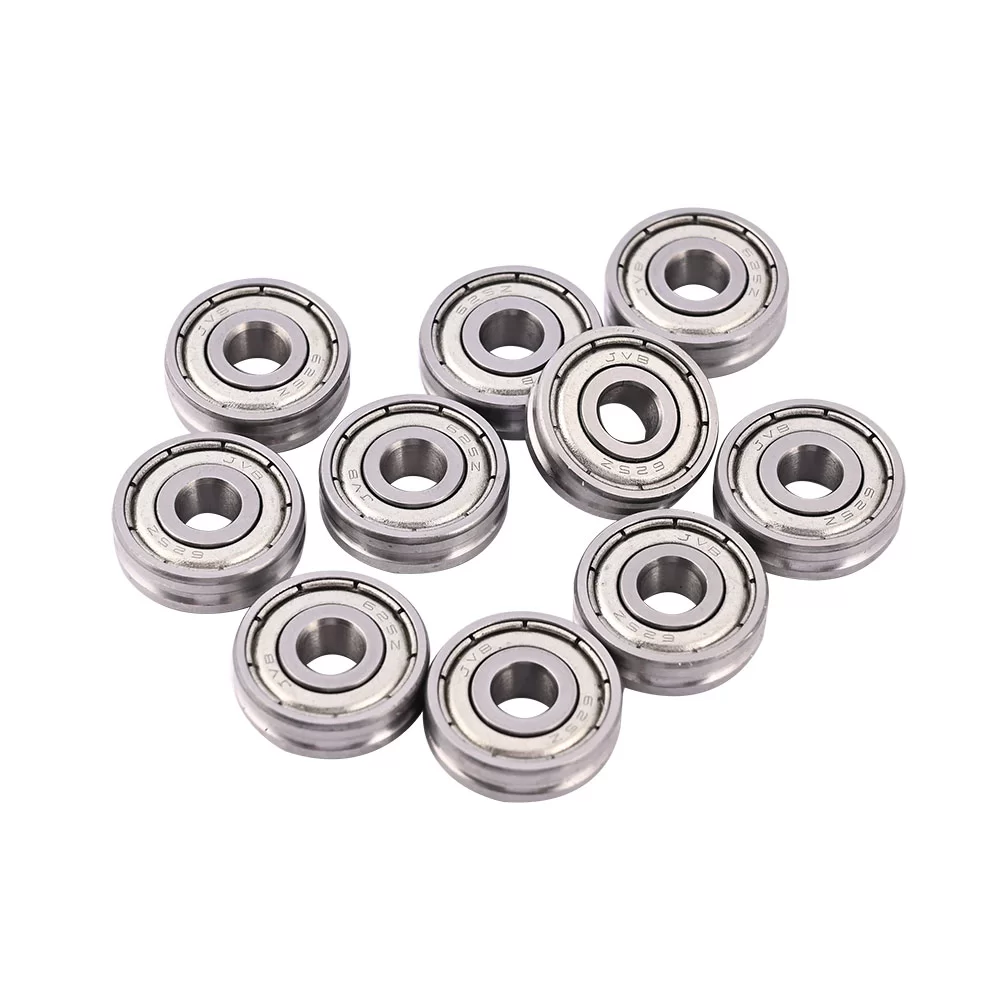
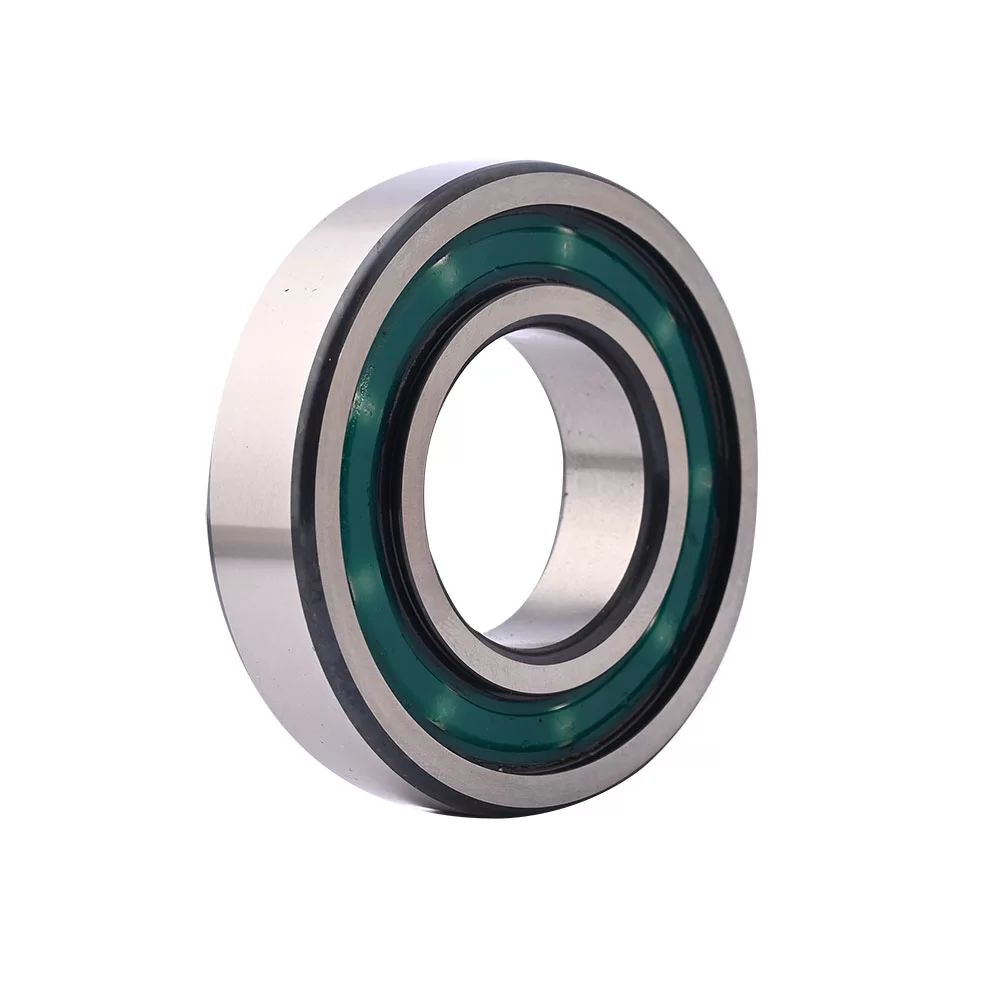
The world of precision bearings is diverse, with various types tailored to specific applications. Some common types include:
- Ball Bearings: Excellent for high-speed applications and radial loads.
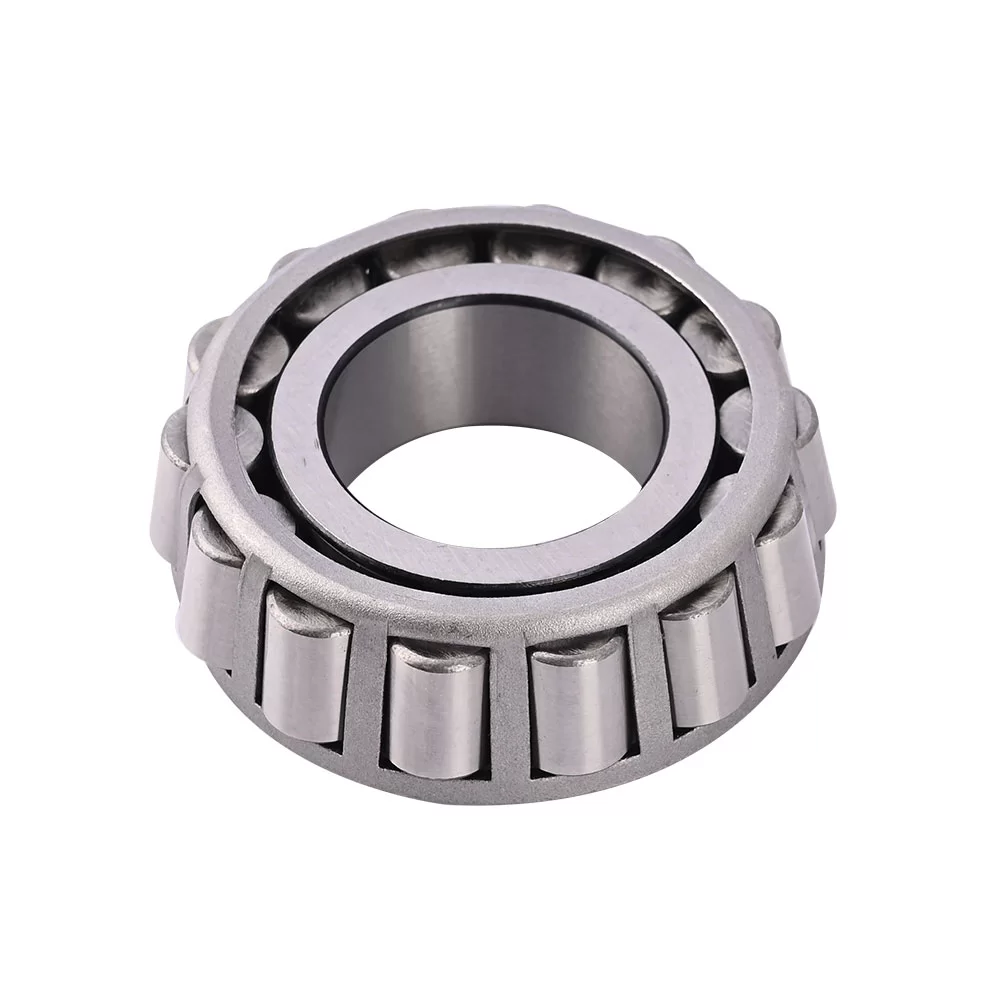
- Roller Bearings: Designed for heavier loads and lower speeds.
- Angular Contact Bearings: Handle both radial and axial loads.
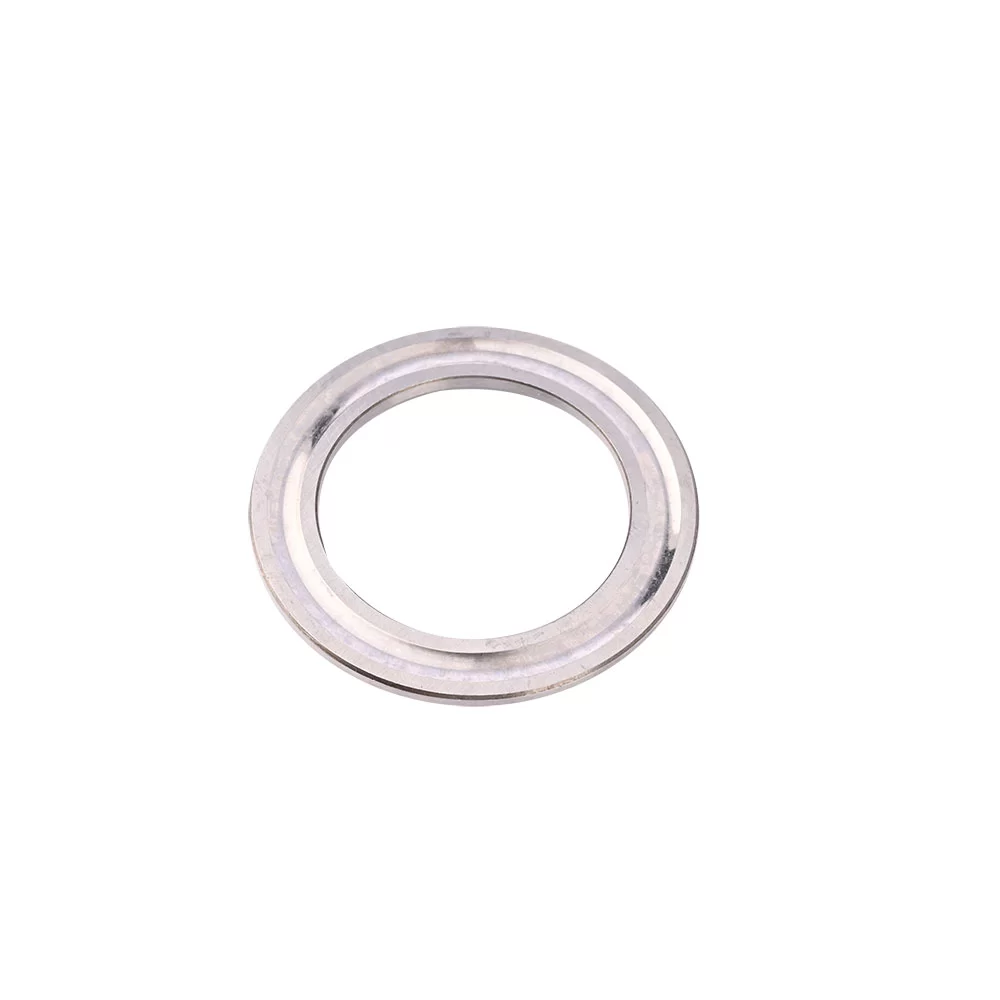
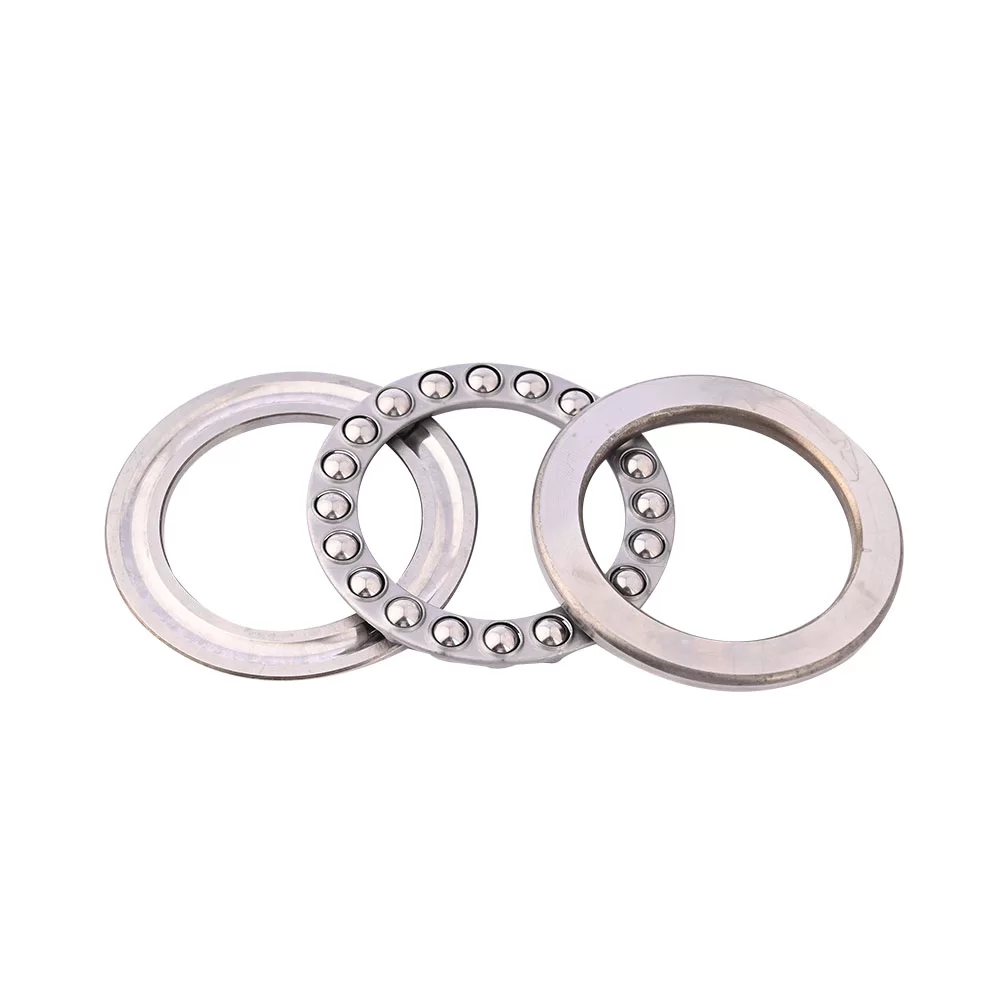
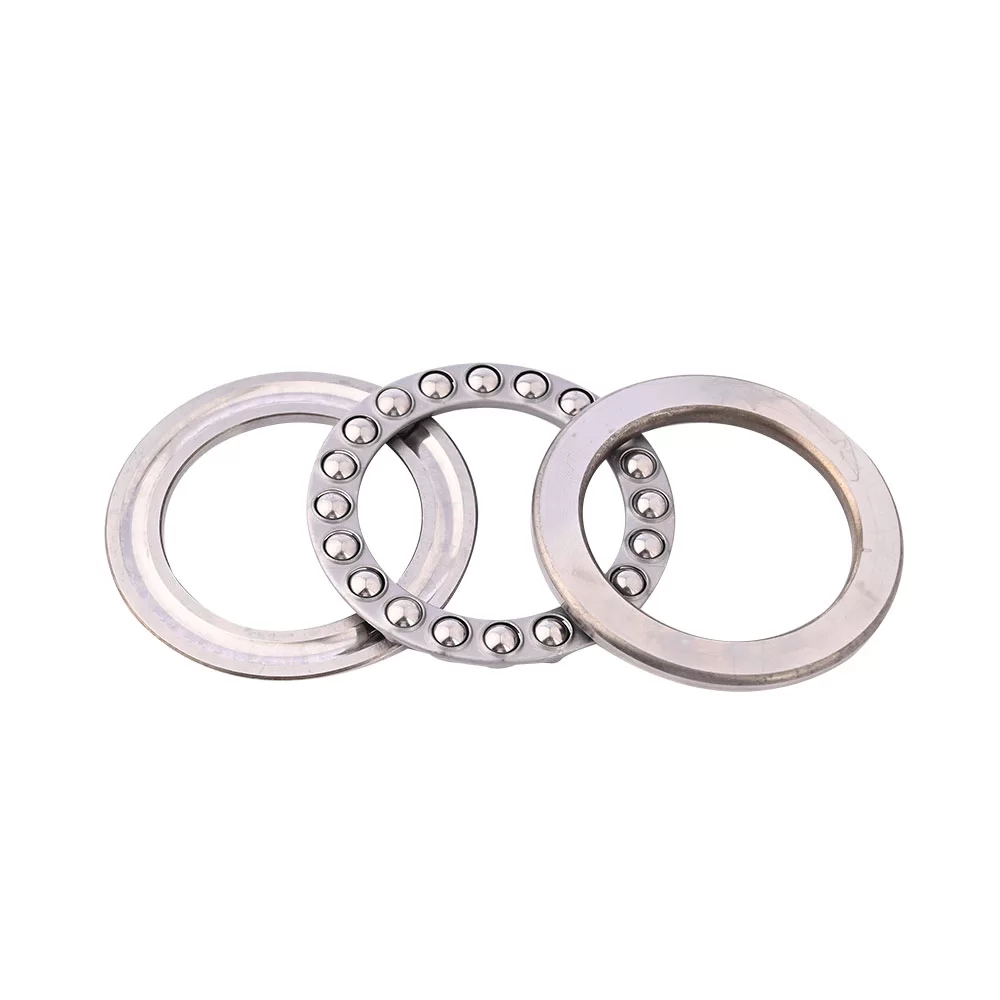
- Thrust Bearings: Primarily designed to support axial loads.
- Ceramic Bearings: Offer superior corrosion resistance and high-temperature performance.
The choice of bearing type depends heavily on the specific operating conditions, load requirements, and desired lifespan. Hebei Bearings provides a comprehensive range of these bearing types.
Applications of Precision Bearings
The applications for precision bearings are incredibly broad. They are critical components in:
- Automotive Industry: Wheel bearings, engine components, transmission systems.
- Aerospace Industry: Turbine engines, flight control systems, landing gear.
- Medical Equipment: Surgical robots, imaging scanners, dental drills.
- Industrial Machinery: CNC machines, robotics, pumps, compressors.
- Electronics: Hard drives, optical drives, fans.
These are just a few examples; their versatility ensures they are employed in countless other sectors where reliability and performance are non-negotiable.
Key Application Benefits:
• Improved machine efficiency and performance.
• Reduced downtime and maintenance costs.
• Enhanced product reliability and lifespan.
• Precise control and positioning in critical applications.
Choosing the Right Precision Bearing: A Comparison
Selecting the appropriate precision bearing requires careful consideration of several factors. Here's a comparison of common bearing materials:
Partnering with Hebei Bearings: Your Trusted Supplier
When sourcing precision bearings, choosing a reliable supplier is paramount. Hebei Bearings is a leading manufacturer and exporter, dedicated to providing high-quality bearings at competitive prices. We offer a wide selection of bearings, customized solutions, and exceptional customer support. Our commitment to quality and precision ensures that you receive products that meet your exact specifications and deliver optimal performance.

Conclusion: Ensuring Performance with Quality Bearings
Investing in high-quality precision bearings is a crucial step towards optimizing performance, reducing maintenance costs, and ensuring the long-term reliability of your equipment. Hebei Bearings is your trusted partner for all your bearing needs – providing expertise, quality, and exceptional service.
Frequently Asked Questions (FAQs)
What factors influence the load capacity of a precision bearing?
Several factors determine a bearing's load capacity, including its size, material, type (ball, roller, etc.), and operating speed. Larger bearings generally have higher load capacities. Materials like chrome steel and ceramic offer superior strength compared to others. Roller bearings, designed for heavier loads, typically outperform ball bearings in this regard. Moreover, exceeding the bearing's specified load rating can lead to premature failure. Proper lubrication and mounting techniques also play a critical role in maximizing load capacity.
How important is lubrication for precision bearings?
Lubrication is essential for the proper functioning and longevity of precision bearings. It reduces friction, dissipates heat, prevents wear, and protects against corrosion. The type of lubricant used depends on the bearing type, operating speed, temperature, and load. Common lubricants include grease, oil, and solid lubricants. Regular relubrication is crucial to maintain optimal performance and prevent bearing failure. Insufficient lubrication leads to increased friction, overheating, and ultimately, damage.
What are the benefits of using ceramic precision bearings?
Ceramic precision bearings offer several advantages over traditional steel bearings. They exhibit superior corrosion resistance, making them ideal for harsh environments. They can withstand higher temperatures without degradation, and their lighter weight reduces inertia, allowing for higher speeds. Ceramic bearings are also electrically insulating and require less lubrication. While more expensive than steel bearings, their enhanced performance and durability often justify the investment in demanding applications.