
Comprehensive Guide to Plastic Bearing Inserts for Optimal Performance
Understanding Plastic Bearing Inserts: A Comprehensive Guide
Plastic bearing inserts are crucial components in numerous industrial applications, offering a cost-effective and versatile solution for reducing friction and wear. These inserts are commonly used within bearing housings, providing smooth operation and extending the life of rotating equipment. Understanding their properties, types, and applications is key to selecting the right insert for your specific needs. This article provides a detailed overview of plastic bearing inserts, their benefits, and factors to consider when making a purchase. We will explore various materials and how they contribute to optimal performance.

What are Plastic Bearing Inserts?
Plastic bearing inserts are typically manufactured from high-performance polymers such as PTFE (Teflon), nylon, acetal, and PEEK. These materials are chosen for their inherent self-lubricating properties, resistance to corrosion, and ability to operate in harsh environments. Unlike traditional metal bearings, plastic inserts don’t require constant lubrication, minimizing maintenance and reducing downtime. They are often pressed into a metal housing, providing a tight fit and ensuring proper alignment. Hebei Bearings specializes in providing high-quality plastic bearing inserts for a wide range of applications.
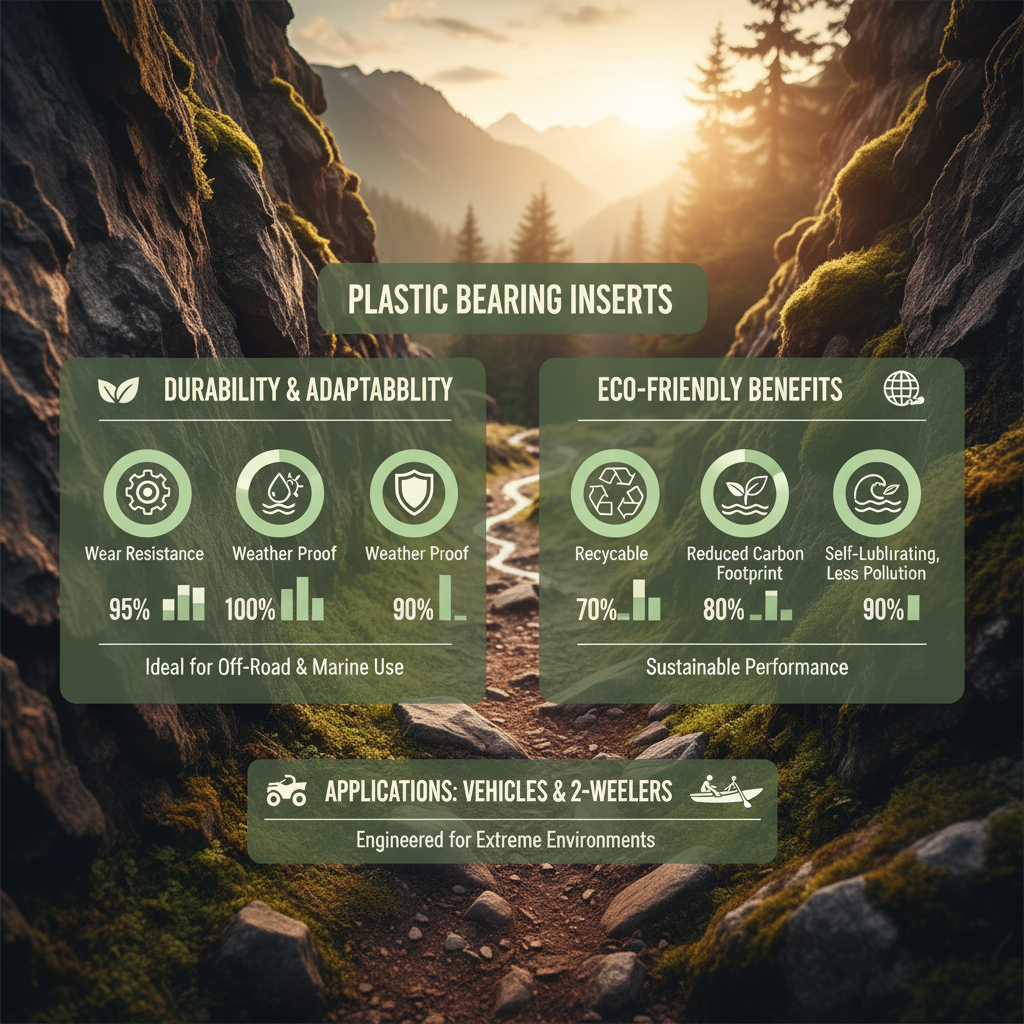
Key Benefits: Reduced friction, corrosion resistance, self-lubricating properties, low maintenance, cost-effectiveness, and noise reduction.
Types of Plastic Bearing Inserts
Several types of plastic bearing inserts cater to different application requirements. The most common include:
- PTFE Inserts: Known for their extremely low coefficient of friction and excellent chemical resistance. Ideal for high-speed applications.
- Nylon Inserts: Offer good wear resistance and strength at a lower cost than PTFE. Suitable for general-purpose applications.
- Acetal Inserts: Exhibit high stiffness, dimensional stability, and resistance to moisture. Often used in food processing equipment.
- PEEK Inserts: Provide exceptional strength, thermal stability, and chemical resistance. Used in demanding applications like aerospace and medical equipment.
Material Comparison:
• PTFE: Lowest friction, high chemical resistance.
• Nylon: Good wear resistance, cost-effective.
• Acetal: High stiffness, moisture resistance.
• PEEK: Exceptional strength and thermal stability.
Choosing the Right Plastic Bearing Insert for Your Application
Selecting the correct plastic bearing insert depends on several factors. Consider the load capacity, operating speed, temperature range, chemical exposure, and desired lifespan. For heavy loads and high speeds, PEEK or PTFE inserts are typically the best choice. For lighter loads and lower speeds, nylon or acetal inserts may be sufficient. Always check the manufacturer’s specifications to ensure the insert is compatible with your operating conditions. Utilizing the correct insert can significantly improve the efficiency and longevity of your machinery.
Applications of Plastic Bearing Inserts
Plastic bearing inserts find application in a diverse range of industries, including: automotive, food and beverage processing, packaging, medical equipment, textile machinery, and more. Their ability to operate without lubrication makes them ideal for applications where contamination is a concern. They’re also commonly used in corrosive environments where metal bearings would quickly degrade. Contact Hebei Bearings today to discuss your specific application needs.
Conclusion: Enhancing Performance with Plastic Bearing Inserts
Plastic bearing inserts offer a compelling alternative to traditional metal bearings, providing numerous advantages in terms of performance, maintenance, and cost-effectiveness. By carefully considering the application requirements and selecting the appropriate material, you can optimize the lifespan and efficiency of your machinery. Hebei Bearings is your trusted partner for high-quality plastic bearing inserts and expert technical support.
Frequently Asked Questions (FAQs)
What are the advantages of using plastic bearing inserts over metal bearings?
Plastic bearing inserts offer several advantages over metal bearings, including reduced friction, self-lubrication eliminating the need for frequent greasing, resistance to corrosion, lower weight, and reduced noise levels. They are also often more cost-effective than metal bearings, especially in certain applications. Furthermore, plastic inserts can operate in environments where metal bearings would be prone to seizing or corrosion, such as in contact with corrosive chemicals or in submerged conditions. However, metal bearings generally have higher load-carrying capacities for the same size.
How do I determine the correct size plastic bearing insert for my application?
Determining the correct size plastic bearing insert involves several considerations. First, you need to know the shaft diameter and the housing bore diameter. The insert must fit snugly into the housing and provide a smooth, low-friction surface for the shaft to rotate on. Refer to the manufacturer's specifications and sizing charts. It’s crucial to consider the load capacity and operating speed requirements. Consult with an experienced bearing specialist if you are unsure about the correct sizing.
Can plastic bearing inserts be used in high-temperature applications?
The suitability of plastic bearing inserts for high-temperature applications depends on the material. PTFE and PEEK offer excellent thermal stability and can operate at temperatures up to 260°C and 250°C respectively. Nylon and Acetal have lower temperature limits, typically around 80-100°C. Always check the manufacturer’s temperature rating for the specific material before using it in a high-temperature environment. Exposure to temperatures exceeding the rated limit can lead to premature failure of the insert.