
Comprehensive Guide to Understanding Bearing Types and Industrial Applications
Understanding Bearings: A Comprehensive Guide
Bearings are fundamental components in countless mechanical systems, enabling smooth, efficient rotation between moving parts. From everyday appliances to complex industrial machinery, bearings minimize friction and support loads. This article explores the world of bearings, covering types, applications, maintenance, and the importance of selecting the right bearing for a specific task. Choosing the correct bearing can dramatically improve performance and longevity. Discover how Hebei Bearings provides quality solutions for diverse industrial needs.
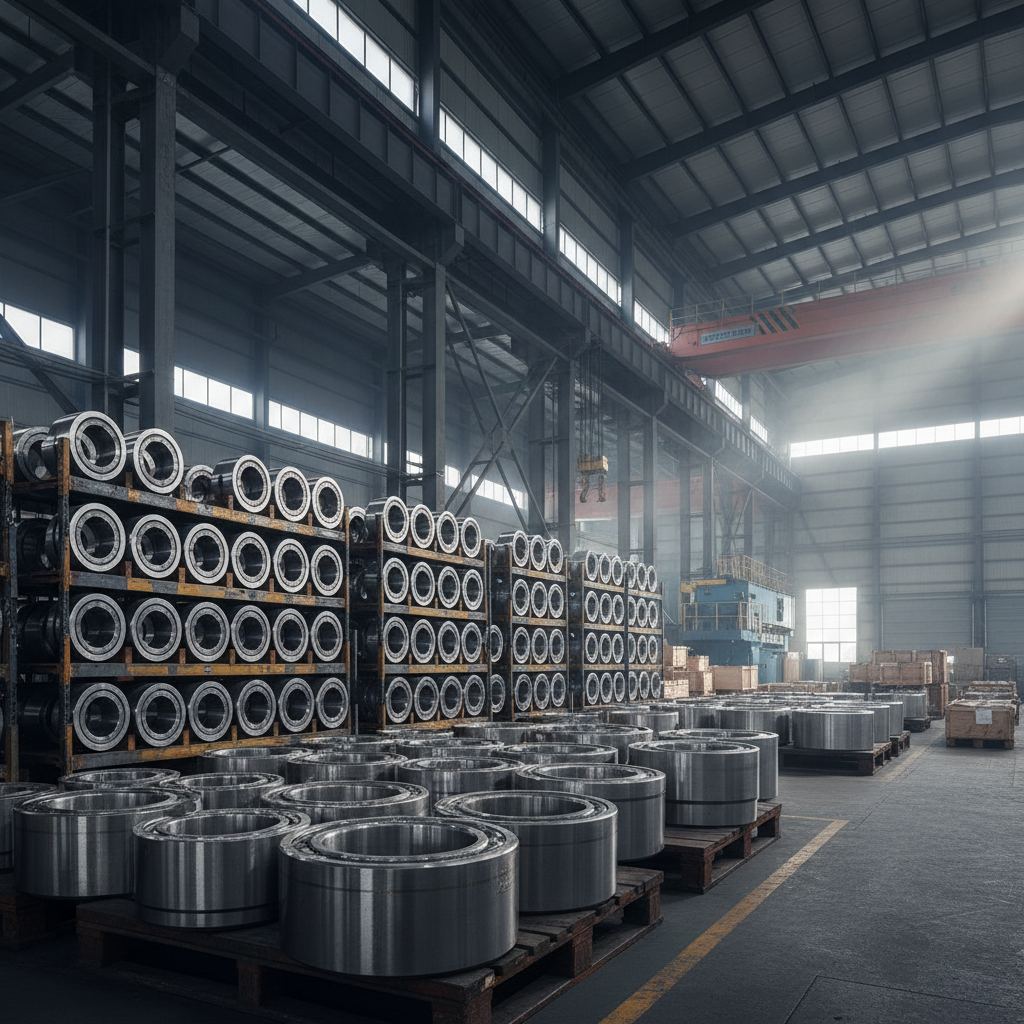
Types of Bearings
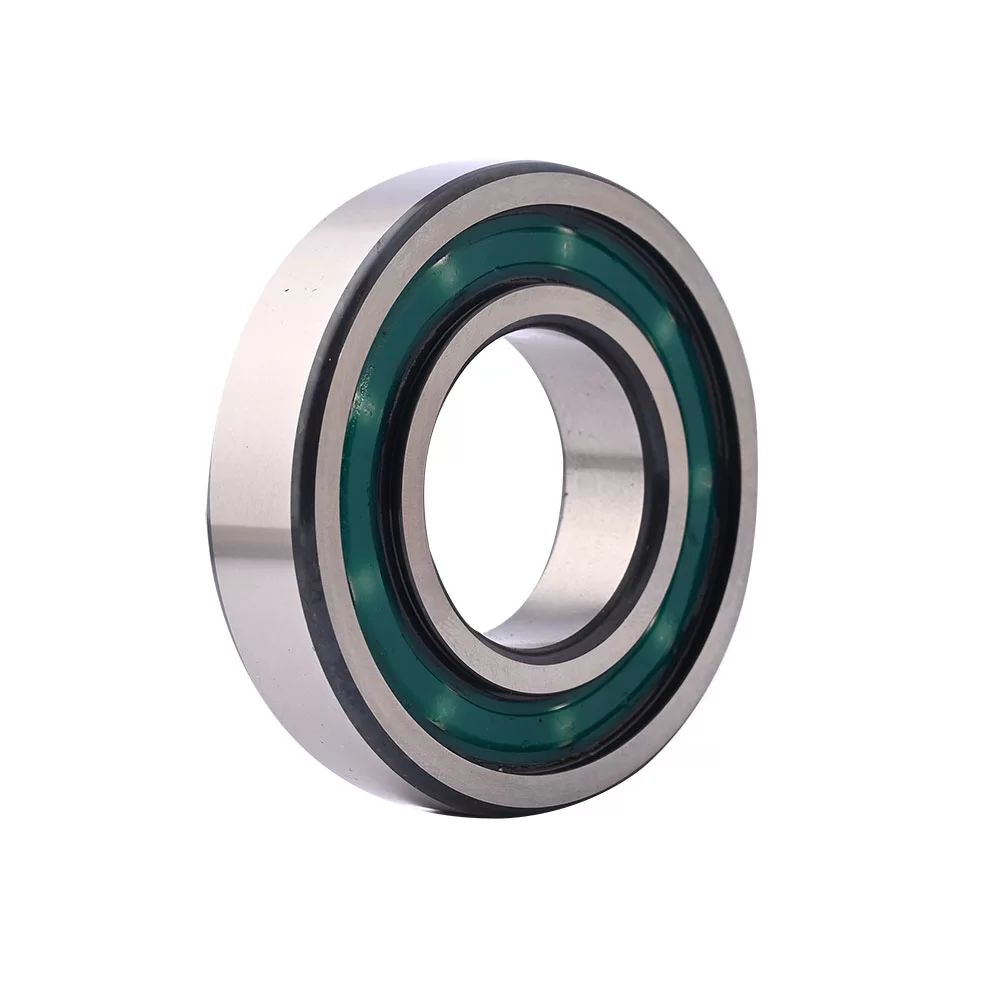
Bearings come in a variety of designs, each suited to different applications and load conditions. Some common types include:
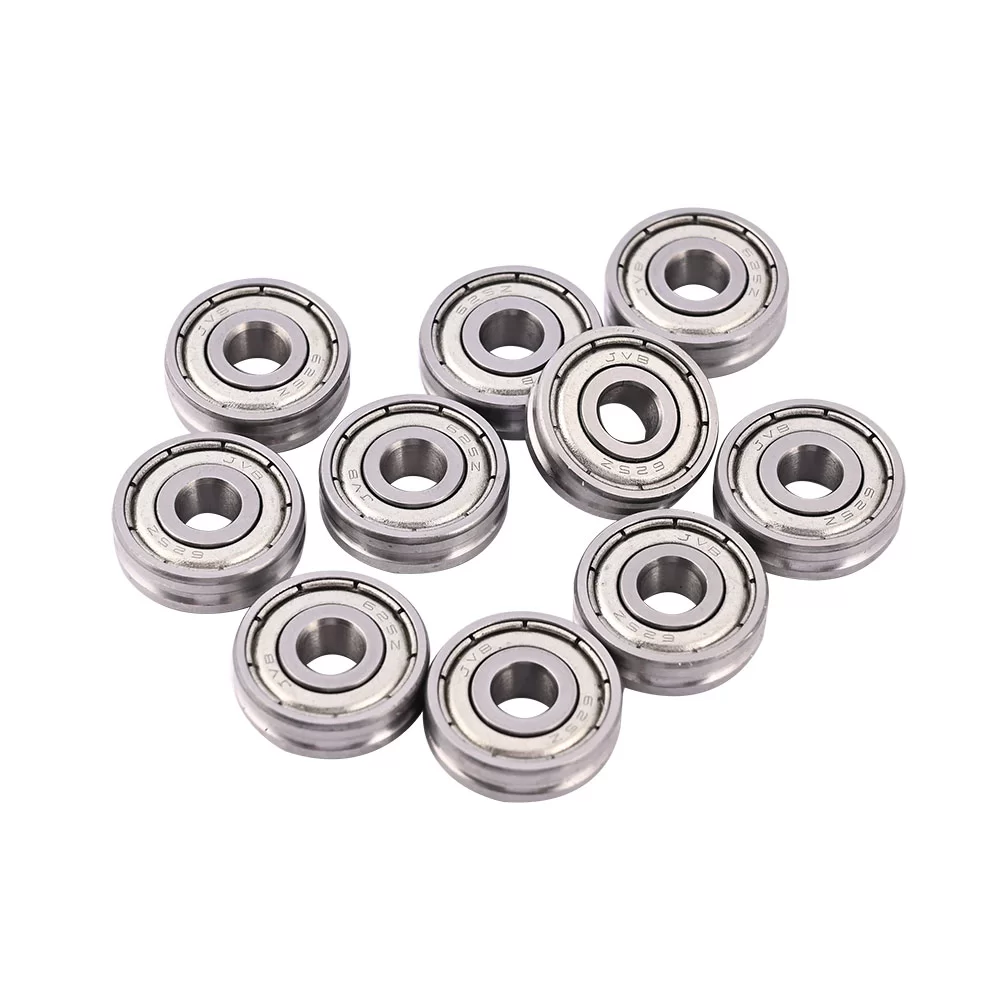
- Ball Bearings: Ideal for high-speed applications and moderate loads.
- Roller Bearings: Capable of handling heavier loads compared to ball bearings.
- Needle Bearings: Compact and suitable for applications with limited radial space.
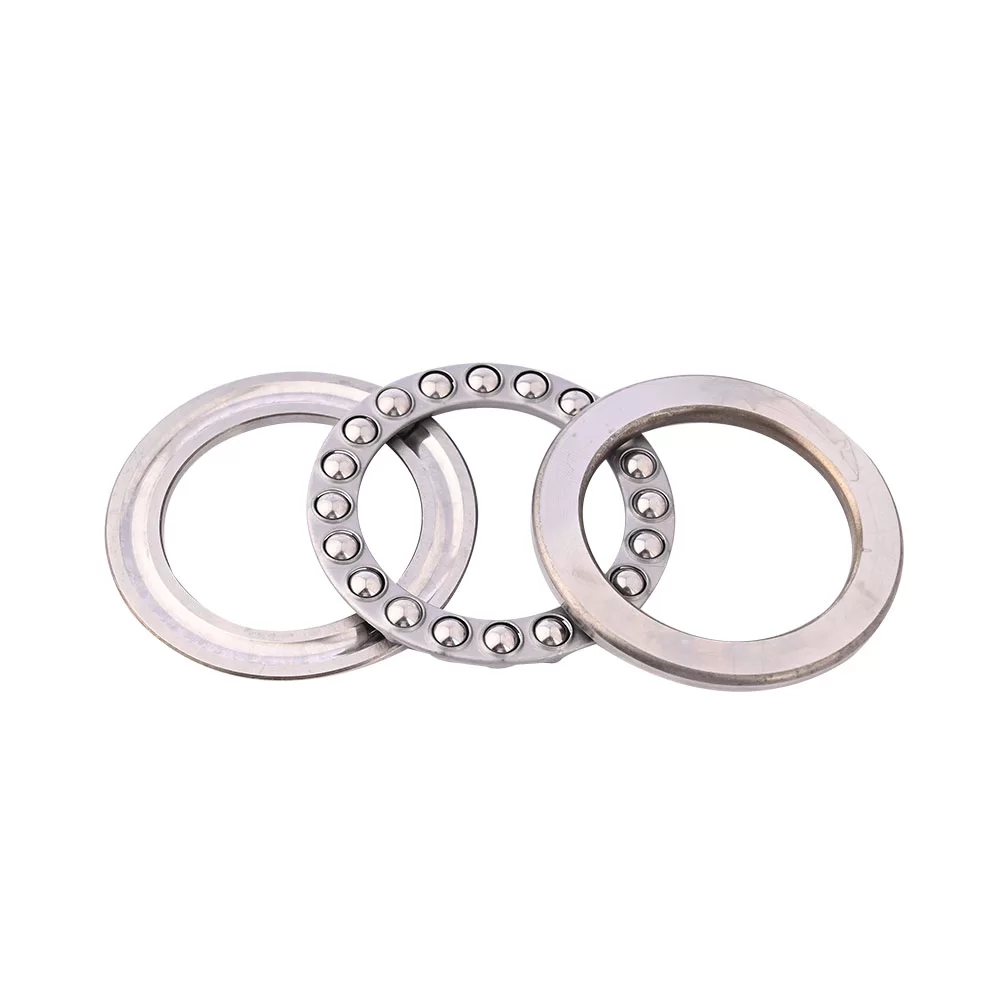
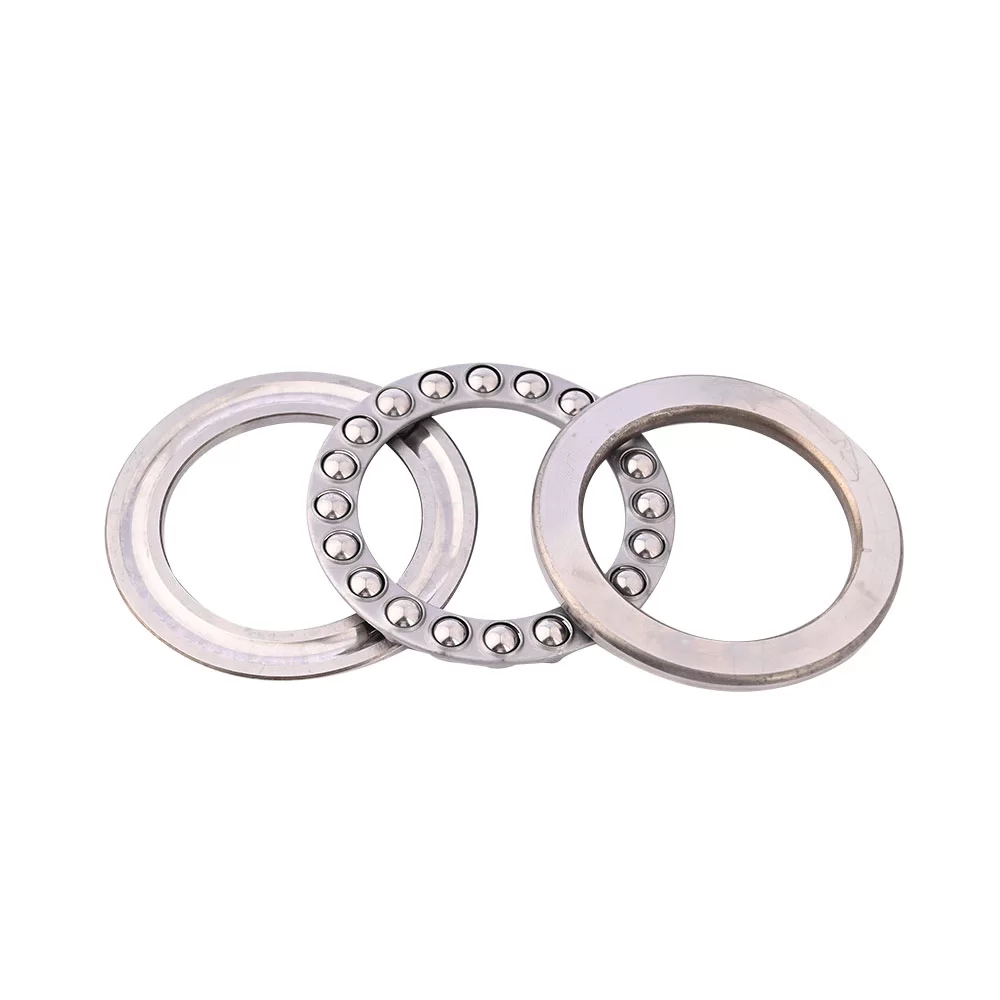
- Thrust Bearings: Designed to support axial loads.
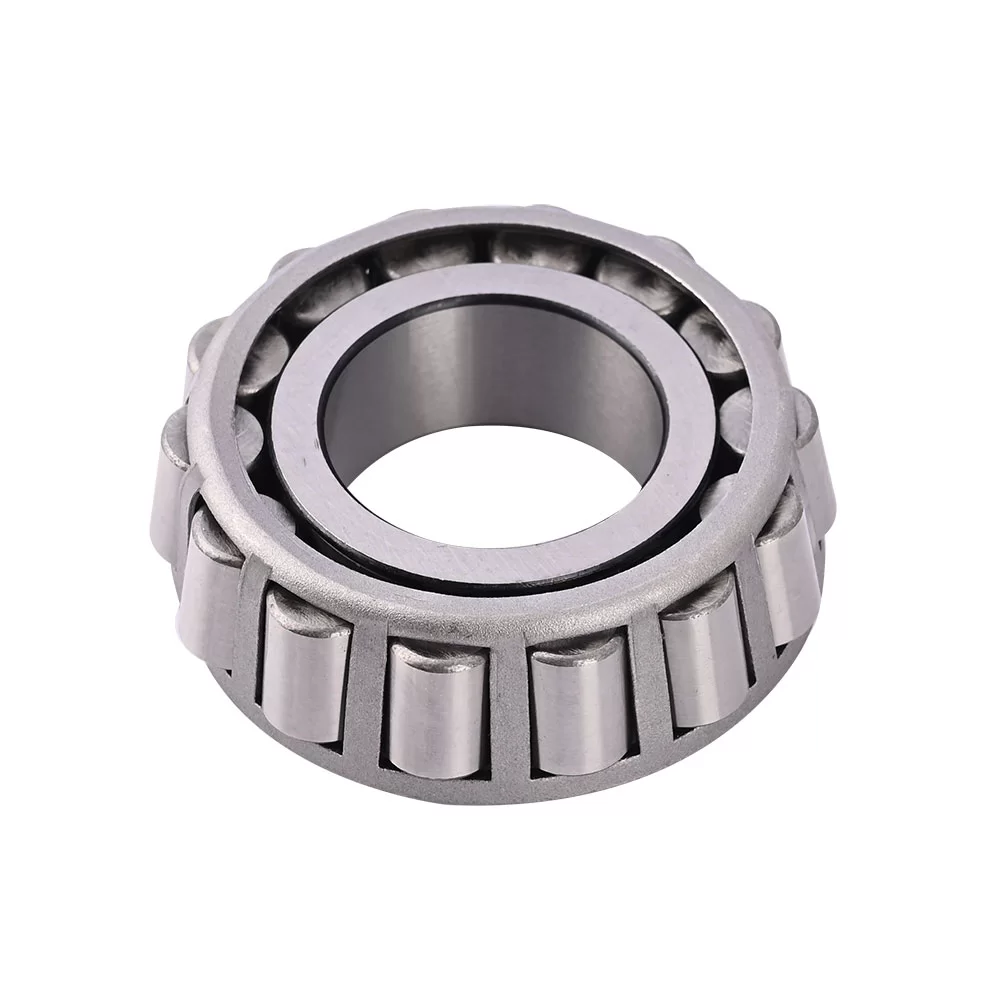
- Tapered Roller Bearings: Excellent for combined radial and axial loads.
Understanding the characteristics of each type is critical for optimal performance. Hebei Bearings offers a wide selection to match your application requirements.
Key Takeaway: Selecting the correct bearing type is paramount for efficient operation, longevity, and minimizing downtime.
Bearing Applications Across Industries
Bearings are indispensable across a broad spectrum of industries. In the automotive sector, they facilitate smooth wheel rotation and transmission function. Manufacturing relies on bearings in conveyor systems, pumps, and motors. Aerospace applications demand high-precision bearings for engine components and control surfaces. The agricultural industry utilizes bearings in tractors, harvesters, and irrigation equipment. Even consumer goods, like electric fans and washing machines, incorporate bearings for reliable operation. Hebei Bearings caters to these diverse sectors, offering tailored bearing solutions.
Industry Applications:
• Automotive
• Manufacturing
• Aerospace
• Agriculture
Comparing Common Bearing Types
Choosing the right bearing involves a comparative analysis of various types based on application requirements. Factors such as load capacity, speed, space constraints, and operating environment play crucial roles.
Bearing Maintenance and Longevity
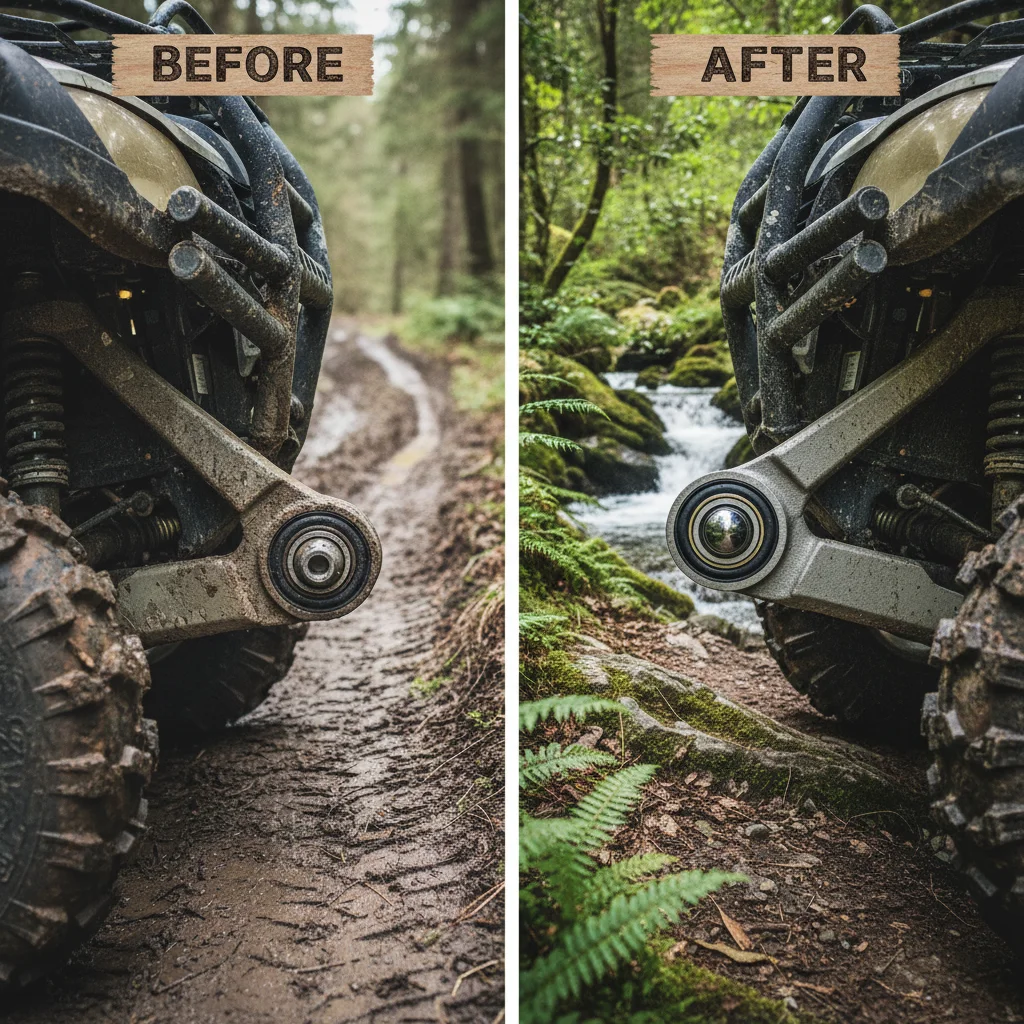
Proper maintenance significantly extends bearing life and prevents unexpected failures. Regular lubrication is crucial to reduce friction and dissipate heat. Inspect bearings for signs of wear, such as pitting, corrosion, or excessive play. Ensure correct mounting and alignment to avoid premature failure. Protecting bearings from contaminants like dust, dirt, and moisture is also essential. Hebei Bearings provides guidelines and support for optimal bearing care.
Selecting the Right Bearing: Key Considerations
Choosing the optimal bearing requires careful consideration of several factors. Load type (radial, axial, or combined), operating speed, temperature, environment, and space limitations are all important. Material selection (steel, ceramic, or plastic) also influences performance and durability. Consulting with a bearing specialist, like the team at Hebei Bearings, can ensure you select the most suitable bearing for your specific application.
Conclusion: Optimizing Performance with Quality Bearings
Investing in high-quality bearings from a reputable supplier like Hebei Bearings is essential for ensuring reliable performance, minimizing downtime, and maximizing the lifespan of your machinery. By understanding the different types of bearings, their applications, and proper maintenance procedures, you can unlock significant improvements in operational efficiency and cost savings.
Frequently Asked Questions (FAQs)
What is the recommended relubrication interval for bearings?
The relubrication interval depends heavily on the bearing type, load, speed, and operating environment. Generally, ball bearings may require relubrication every 3-6 months, while roller bearings might need it more frequently, potentially every 1-3 months. High-speed or heavily loaded bearings may require more frequent lubrication. Always consult the bearing manufacturer's recommendations and monitor bearing temperature and noise levels as indicators of lubrication needs. Using the correct lubricant is also critical. Hebei Bearings can advise on the appropriate lubricant and schedule for your application.
How do I identify a failing bearing?
Several signs indicate a failing bearing. Increased noise, such as grinding, squealing, or rumbling, is a common symptom. Excessive vibration, bearing overheating, and a noticeable loss of lubrication are also warning signs. Play in the bearing, which can be detected by attempting to move the shaft, indicates wear. Regular inspections and monitoring can help identify potential issues before they lead to catastrophic failure.
What are the benefits of using ceramic bearings?
Ceramic bearings offer several advantages over steel bearings, including lower friction, higher speed capability, and resistance to corrosion. They are also lighter and generate less heat. However, they are generally more expensive and may not be suitable for applications with heavy shock loads. Ceramic bearings are ideal for high-performance applications where speed, efficiency, and durability are critical.